

Trump rejects direct US strikes on Houthis, offers intelligence aid to Saudi Arabia


- Trump rejected direct US strikes against Houthi rebels but offered intelligence support to Saudi Arabia
- Houthi forces reached Perim island in the Bab el-Mandeb Strait, a key Red Sea oil corridor
- Saudi Arabia relies on the Red Sea route after the Strait of Hormuz was effectively closed by the Iran conflict
- The Iran conflict is now in its seventh month following US and Israeli strikes on Feb. 28
- A four-year truce between Saudi Arabia and the Houthis broke in early July over a disputed flight incident

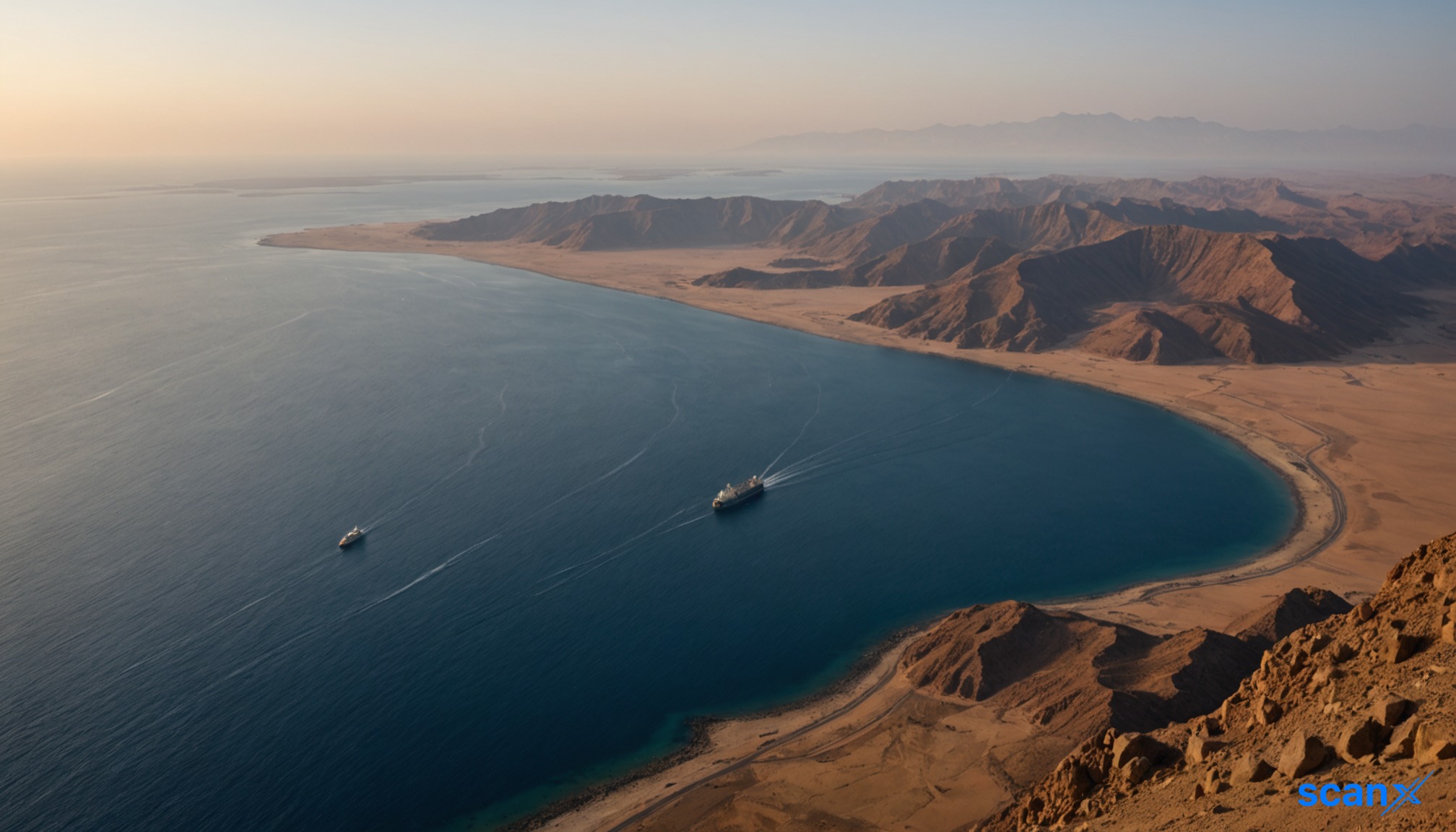

*this image is generated using AI for illustrative purposes only.
President Donald Trump declined Saudi Crown Prince Mohammed bin Salman's request for direct US military strikes against Yemen's Houthi rebels, offering intelligence support instead. The decision comes as Houthi forces advance toward the Bab el-Mandeb Strait, a critical Red Sea oil corridor.
Intelligence Support, Not Direct Strikes
Reuters reported on Friday that President Trump did not agree to direct US strikes but offered intelligence support. Washington maintains continuous dialogue with Saudi Arabia and the Yemeni government, according to one official. Admiral Brad Cooper, commander of US Central Command, traveled to Saudi Arabia on Thursday for discussions. The White House did not immediately respond to Benzinga's request for comment.
Houthi Advance Threatens Key Oil Corridor
Yemeni government sources confirmed that Houthi forces reached Perim island in the Bab el-Mandeb Strait on Friday. The strait sits on the opposite side of the Arabian Peninsula from the Strait of Hormuz. Saudi Arabia now depends on the Red Sea route after the Iran conflict effectively closed Hormuz, which had carried roughly a fifth of global oil supply.
The US and Israel struck Iran on Feb. 28, and Iran responded with strikes on Israel and Gulf states hosting US bases. This conflict is now in its seventh month. Houthi control of the Bab el-Mandeb Strait could give Iran leverage over a second major oil transit route, reducing global supply options and pushing prices higher.
How the Conflict Reignited
Tensions between the Houthis and Saudi Arabia flared again in early July, breaking a truce that had held for roughly four years. The Houthis stated they moved against what they believed were Saudi jets trying to block an Iranian passenger flight from landing in Sanaa, Yemen's capital. Following that clash, Saudi officials told their US counterparts they were prepared to handle the Houthi threat on their own and cautioned against letting the situation spiral further.

How might global oil prices react if Houthi forces successfully establish a blockade at the Bab el-Mandeb Strait?
What are the potential geopolitical consequences for US-Saudi relations if Washington continues to limit its involvement to intelligence support only?
Could Iran leverage control over the Bab el-Mandeb Strait to negotiate an end to the ongoing conflict with the US and Israel?
 15
15






 Access 50+ Readymade Screeners
  Use 200+ Custom Filters
  Get Full Market Insights





