

Trump blames Iran for Flydubai incident; Vance sees no conclusive proof


- Trump stated he personally believes Iran was behind the Flydubai cockpit attack
- Vice President JD Vance said he has not seen conclusive evidence yet
- The Boeing 737 MAX 9 descended 17,400 feet during the incident
- Iran faces economic pressure as the Rial falls amid U.S. sanctions

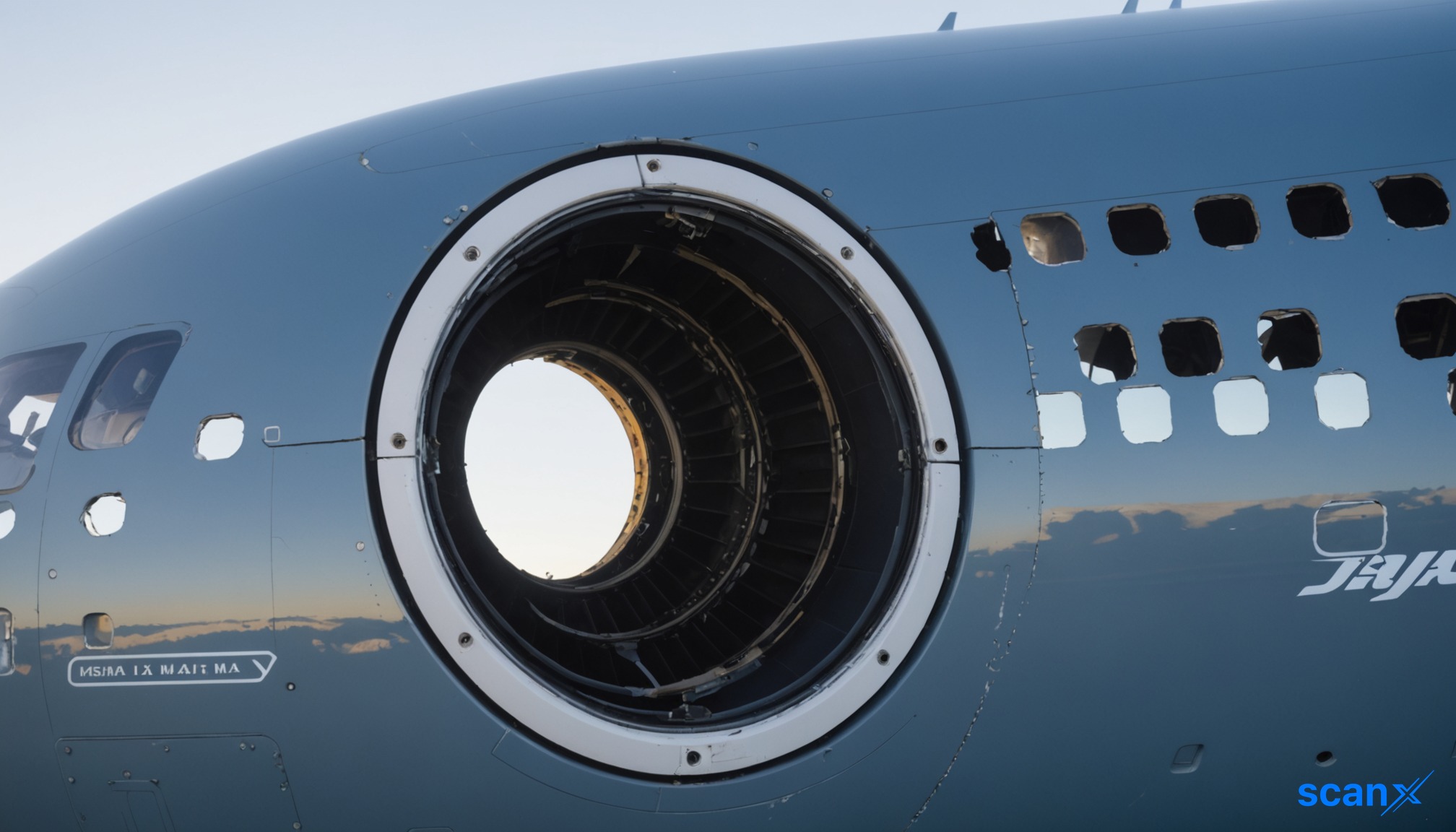

*this image is generated using AI for illustrative purposes only.
President Donald Trump stated on Monday that he personally believes Iran was responsible for the alleged terrorist attack aboard Flydubai flight FZ1073. The incident, which occurred last Wednesday, involved a co-pilot allegedly attacking the captain with an emergency crash axe inside the cockpit.
The Boeing 737 MAX 9 aircraft reportedly descended 17,400 feet in less than two minutes during the event. Trump made the accusation while speaking to the press, answering a question about Tehran's potential involvement by saying, "I do, I personally do," before walking away. This aligns with his comments from October 1, where he hinted at Iranian involvement "based on what I'm hearing."
Vance defers to intelligence agencies
Vice President JD Vance adopted a more cautious stance when asked about the same incident on Monday. He stated that he would defer to CIA Director John Ratcliffe for any official comments regarding Iran's role in the event. Vance emphasized that while the matter is under review, he has not yet encountered definitive evidence linking Tehran to the attack.
"I wouldn't say I've seen anything conclusive just yet," Vance said. He added that he did not want to get ahead of any announcements from intelligence officials.
Regional tensions and economic impact
The incident occurs amidst escalating tensions between Washington and Tehran. Iran's Security Chief Mohsen Rezaee warned that the country is facing one of its "most difficult periods" as the Rial continues to fall amid sanctions and economic restrictions imposed by the U.S. These measures are part of "Operation Economic Outcast," touted by Trump and Treasury Secretary Scott Bessent.
Despite the geopolitical strain, data from ship tracker Kpler indicates that oil flows out of the Middle East, including through the Strait of Hormuz, have exceeded pre-war levels. However, the United Kingdom Maritime Trade Operations Center (UKMTO) reported that attacks on vessels have also increased.
| Entity | Statement/Action | Key Detail |
|---|---|---|
| Donald Trump | Accused Iran | Stated personal belief in Iranian involvement |
| JD Vance | Deferred judgment | Cited lack of conclusive evidence |
| John Ratcliffe | CIA Director | Designated source for official intelligence comments |
| Mohsen Rezaee | Security Chief | Warned of difficult period due to Rial fall |
The divergence between the President's assertion and the Vice President's caution highlights the ongoing uncertainty surrounding the investigation. While Trump relies on informal information, Vance points to the absence of verified intelligence findings.

How might the divergence between the President's public assertions and the Vice President's call for intelligence verification impact diplomatic negotiations with Tehran?
What specific evidence or timeline has CIA Director John Ratcliffe outlined for releasing official findings on the Flydubai incident?
Could the increase in maritime attacks reported by UKMTO, despite higher oil flows, lead to new insurance premiums or security protocols for Middle East shipping?
 16
16






 Create Custom Screeners
  Access 200+ Pre-built Filters
  Use 50+ Readymade Screener





