

SK Hynix ties US factory plan to China chip equipment exports


- SK Hynix seeks US approval to export chipmaking equipment to China
- Approval is a condition for building a new factory in the US
- Dalian facility produces memory for SSDs sold by Solidigm
- Expanded China production aims to fund a new US NAND facility
- Trump administration is pressing foreign chipmakers to build US plants

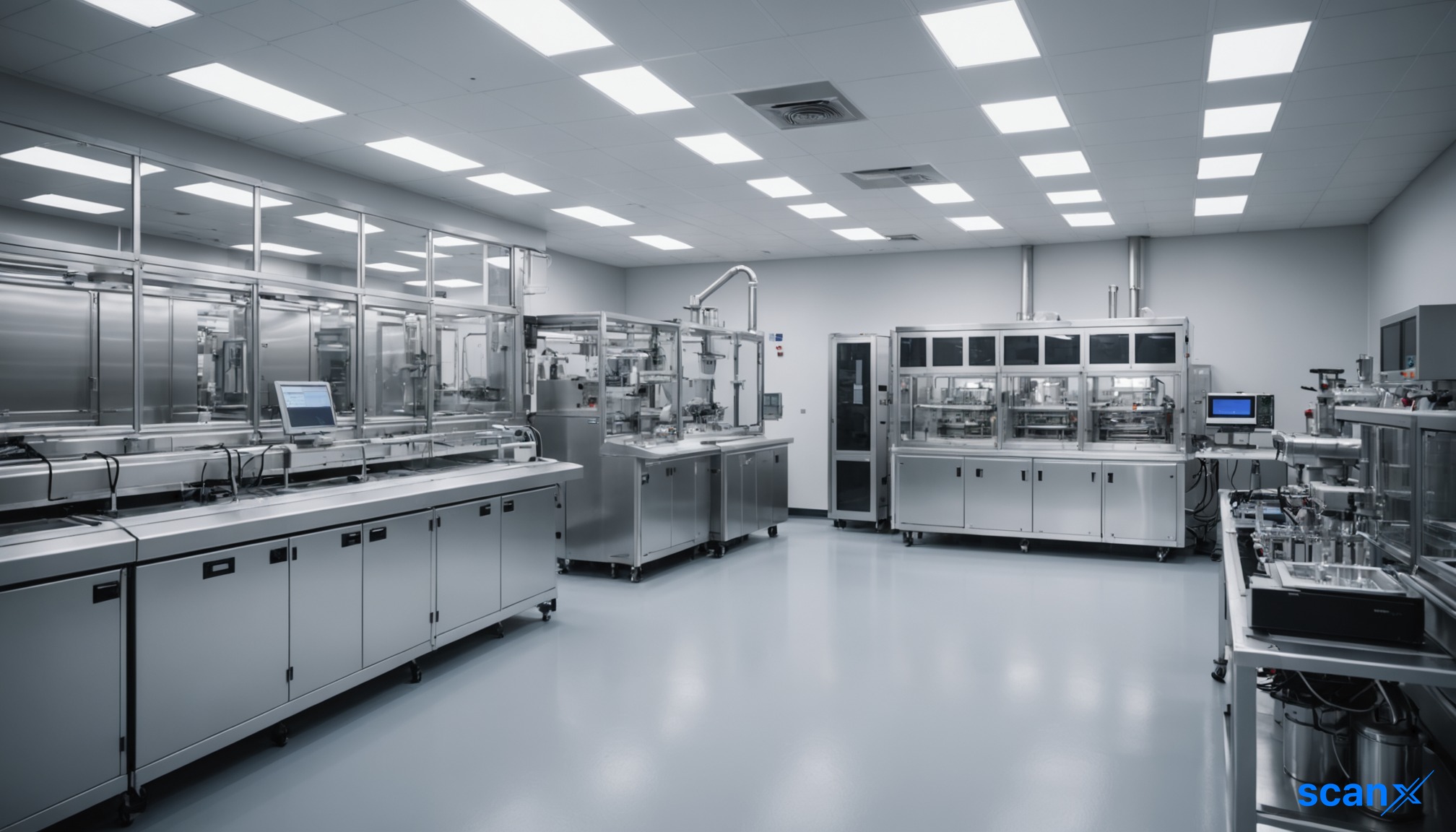

*this image is generated using AI for illustrative purposes only.
SK Hynix is seeking approval from Washington to export US chipmaking equipment to China to increase production there as a condition for building a factory in the US, two people familiar with the matter said on Wednesday.
The Trump administration is pressing SK Hynix, Samsung and other foreign chipmakers to build plants in the US in a drive to rebuild US manufacturing capacity and create jobs. The semiconductor giant’s request highlights the complex regulatory landscape governing global chip supply chains.
Strategic conditions for expansion
The move involves seeking new equipment for unused space in Hynix’s Dalian facility. This plant produces memory for solid-state drives that Solidigm sells to data centers. Expanded production from China would help Solidigm fund a new US NAND facility, creating a financial link between the Chinese operations and future US investments.
| Key Element | Detail |
|---|---|
| Company | SK Hynix |
| Action | Seeking US export approval for equipment to China |
| Condition | Prerequisite for building a US factory |
| Facility | Dalian (produces memory for Solidigm) |
| Objective | Fund new US NAND facility via expanded China output |
Regulatory context
The situation underscores the tension between US efforts to onshore manufacturing and the operational realities of global semiconductor firms. While the administration pushes for domestic production, companies like SK Hynix are leveraging their existing international infrastructure to negotiate terms that support both local growth and global supply chain efficiency.

How might the US Commerce Department's decision on SK Hynix's waiver request influence the investment timelines of other foreign chipmakers like Samsung and TSMC?
What are the potential long-term risks to US national security if expanded memory production capacity is established in China under this conditional framework?
Could this precedent of linking US factory construction to Chinese export waivers lead to a broader relaxation of semiconductor restrictions for allied nations?
 15
15




 Access Market Heat-map & Insights
  Create, Save & Share your Screener
  Use 200+ Screening Filters





