

US, Iran discuss phased deal to reopen Hormuz and end blockade


- US and Iranian representatives are discussing a phased deal to reopen the Strait of Hormuz
- The proposal aims to end the US blockade through incremental steps
- Previous talks in Qatar failed to yield a short-term agreement on key disputes
- Qatar continues to facilitate diplomatic engagement between Washington and Tehran

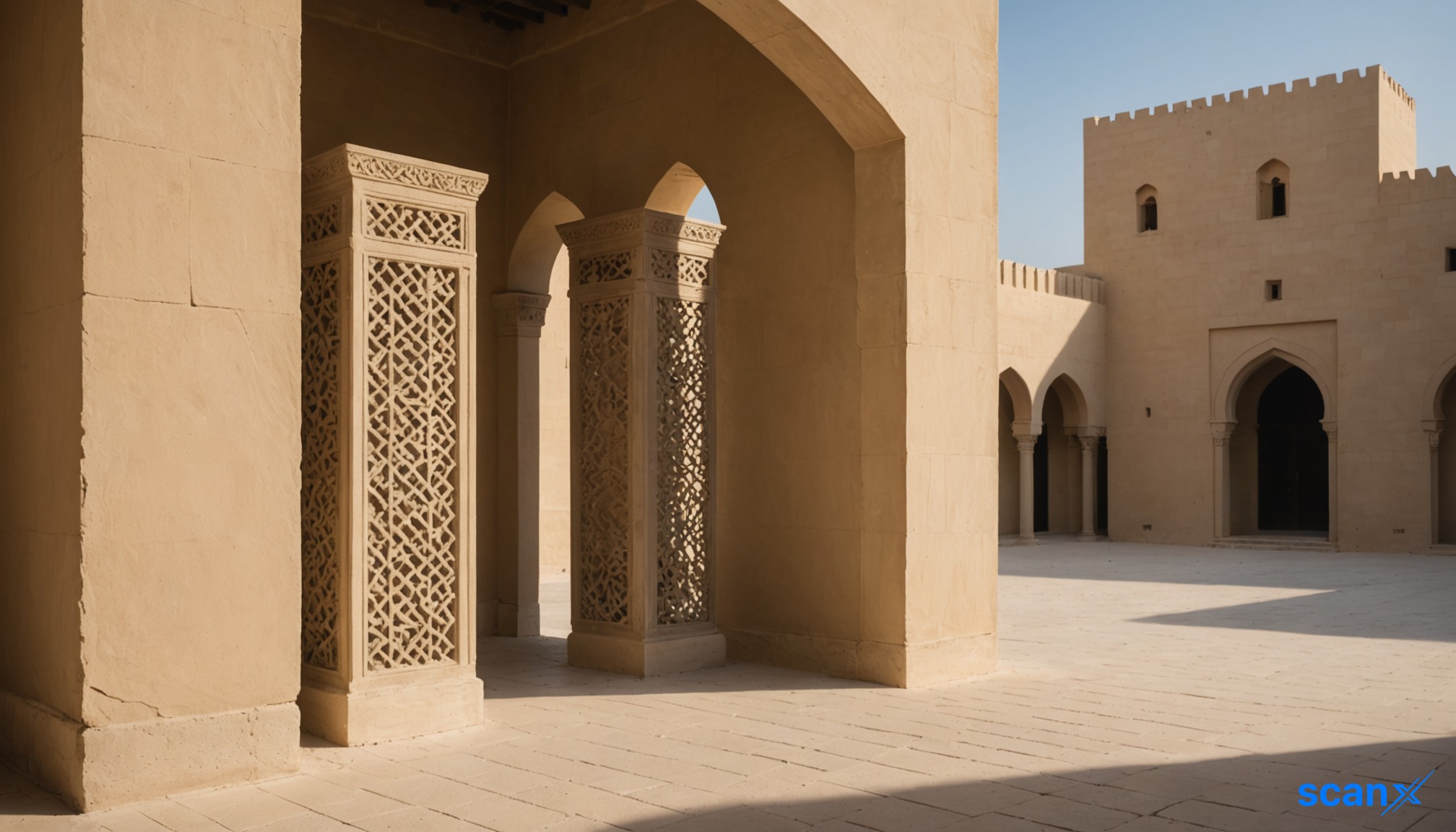

*this image is generated using AI for illustrative purposes only.
US and Iranian representatives are discussing a phased deal to reopen the Strait of Hormuz and end the US blockade, according to Reuters sources. This development follows earlier meetings in Qatar that failed to yield a short-term agreement on contentious issues.
Shift in diplomatic strategy
The discussions now focus on a structured, phased approach rather than an immediate comprehensive resolution. This marks a significant evolution from the pre-planned meeting in Qatar involving US representatives, Iranian Foreign Minister Abbas Araghchi’s team, and the Qatari Prime Minister. While those earlier talks centered on resuming diplomatic engagement and opening the Strait of Hormuz, they concluded without a deal on key disputes.
The new data indicates that while channels remain open, the nature of the negotiation has moved toward specific mechanisms for reopening the strait and lifting the blockade. Qatar’s role as a mediator continues, but the substantive breakthroughs previously absent may now be framed within this phased structure.
Key developments in negotiations
| Aspect | Previous Status (Qatar Talks) | Current Status (New Data) |
|---|---|---|
| Primary Focus | Resuming talks, opening Strait of Hormuz | Phased deal for Hormuz reopening, ending US blockade |
| Outcome | No deal reached on contentious issues | Discussions ongoing on phased framework |
| Mediator Role | Qatar facilitating agreement | Context implies continued facilitation |
The absence of a final agreement in the initial Qatar meetings highlighted significant gaps between Washington and Tehran. The current focus on a "phased deal" suggests both sides are attempting to bridge these gaps through incremental steps rather than a single binding resolution.
Diplomatic context
Qatar has consistently stated its efforts to facilitate a US-Iran agreement, including exploring possible short-term arrangements. The latest reports provide specific context to these broader efforts, confirming that while no immediate deal was struck in the past, active dialogue persists. The move toward discussing a phased approach to reopen the Strait of Hormuz and end the US blockade represents the most concrete detail emerging from these ongoing diplomatic engagements.

How might the phased reopening of the Strait of Hormuz impact global crude oil price volatility and shipping insurance premiums in the short term?
What specific economic sanctions relief might the US offer in exchange for initial Iranian concessions on Hormuz access?
How are regional allies like Saudi Arabia and Israel responding to the potential normalization of US-Iran diplomatic channels?
 17
17






 Access Market Heat-map & Insights
  Create, Save & Share your Screener
  Use 200+ Screening Filters





