

Pompeo urges US to cut China Iranian oil imports before Xi visit


- Mike Pompeo urges US to cut China's Iranian oil imports before Xi Jinping's Sept 24 visit
- Beijing buys up to 500,000 barrels of Iranian crude daily, paid in local currency
- Treasury's Operation Economic Outcast aims to defund IRGC via maximum pressure campaign
- Brent Crude fell 0.54% to $95.00; WTI dropped 0.65% to $90.71 per barrel
- S&P 500 rose 12.97% YTD; Nasdaq gained 14.41%; Dow Jones up 10.96%

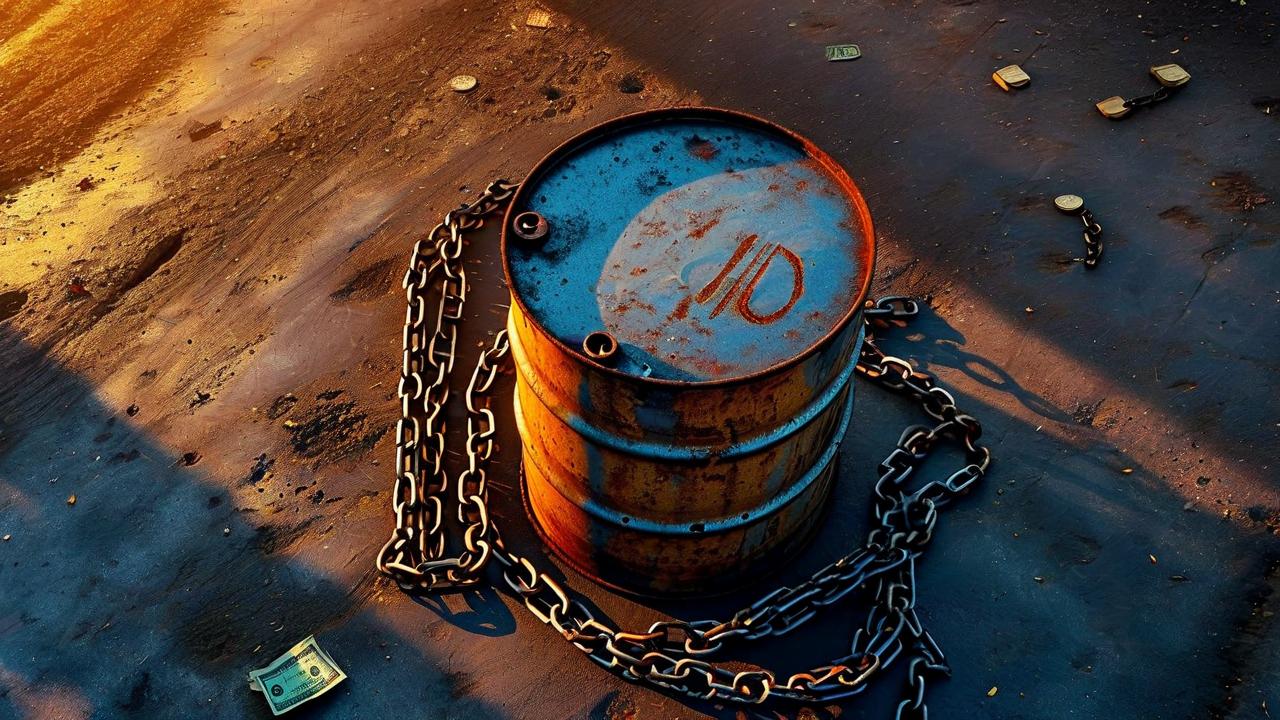

*this image is generated using AI for illustrative purposes only.
Former Secretary of State Mike Pompeo is urging the Trump administration to sever Beijing’s imports of Iranian crude before Chinese President Xi Jinping’s scheduled Washington visit on September 24.
Strategic Pressure on Iran
Pompeo argued that halting these transactions is critical to bankrupting the Iranian regime and securing an American victory in the Middle East. He stated that China buys the majority of Iranian crude, making the severance of this economic lifeline essential.
During a September 2 appearance on the Sekulow broadcast, Pompeo detailed that Beijing purchases up to 500,000 barrels of Iranian crude daily. He noted that payments are made directly to the regime in its own currency. Pompeo stressed that Iran must be a top agenda item for the US delegation during Xi’s upcoming White House visit.
"Let’s hope that by the time Xi Jinping comes to America later this month, that relationship has been radically disrupted," Pompeo said. He urged officials to make clear to China that "they have picked the losing horse here."
Maximum Pressure Campaign
The push aligns with the Treasury Department’s "Operation Economic Outcast," a maximum pressure campaign designed to defund the Islamic Revolutionary Guard Corps (IRGC). Pompeo linked this economic blockade with recent kinetic military operations by President Donald Trump, including Operation Midnight Hammer and Epic Fury.
He argued that keeping global energy prices relatively low while strangling the Iranian economy prevents the regime from funding soldiers or buying munitions. Despite Iran’s attempts to hold the Strait of Hormuz hostage, Pompeo predicted the combined pressure would force surrender and prevent nuclear acquisition.
Market Reaction
At the last check, Brent Crude futures were about 0.54% lower at $95.00. WTI Crude futures fell 0.65% to $90.71 per barrel.
| Asset | Price | Change |
|---|---|---|
| Brent Crude Futures | $95.00 | -0.54% |
| WTI Crude Futures | $90.71 | -0.65% |
| United States Brent Oil Fund (BNO) | N/A | -0.54% |
| United States Oil Fund (USO) | N/A | -0.94% |
Equity markets advanced year-to-date. The S&P 500 index rose 12.97%, the Nasdaq Composite gained 14.41%, and the Dow Jones increased 10.96%.
On Thursday, the SPDR S&P 500 ETF Trust (SPY) closed up 1.50% to $773.17. The Invesco QQQ Trust ETF (QQQ) advanced 1.19% to $717.67, while the State Street SPDR Dow Jones Industrial Average ETF Trust (DIA) ended 1.19% higher at $536.93.
What the Numbers Show
The divergence between falling crude prices and rising equity indices suggests market confidence in the stability of global energy supplies despite geopolitical tensions. While Brent and WTI futures declined modestly, broad market gains indicate investors are not pricing in immediate supply disruption risks from the proposed sanctions.

How might China's potential retaliation or diplomatic pushback during Xi Jinping's visit impact broader US-China trade relations beyond energy sectors?
What are the projected short-term effects on global oil prices if Beijing significantly reduces or halts its purchases of Iranian crude?
Could the success of 'Operation Economic Outcast' incentivize other major oil importers to bypass US sanctions, thereby strengthening alternative payment systems outside the dollar?
 16
16




 Access Market Heat-map & Insights
  Create, Save & Share your Screener
  Use 200+ Screening Filters





