Oil Rises Above $100 as Saudi Pipeline Shutdown Deepens Middle East Crisis

scanx
Reviewed by
Shraddha JScanX News Team
Key Highlights
  • Oil prices remain above $100/barrel amid Saudi pipeline shutdown and Houthi gains in Yemen
  • ECB raised rates by 25 bps citing conflict-driven inflation pressures
  • Saudi exports fell to ~3 million barrels/day in August, lowest since early 2017
  • Fed rate hike of 25 bps expected in September per ING Think forecasts
powered bylight_fuzz_icon
50774671

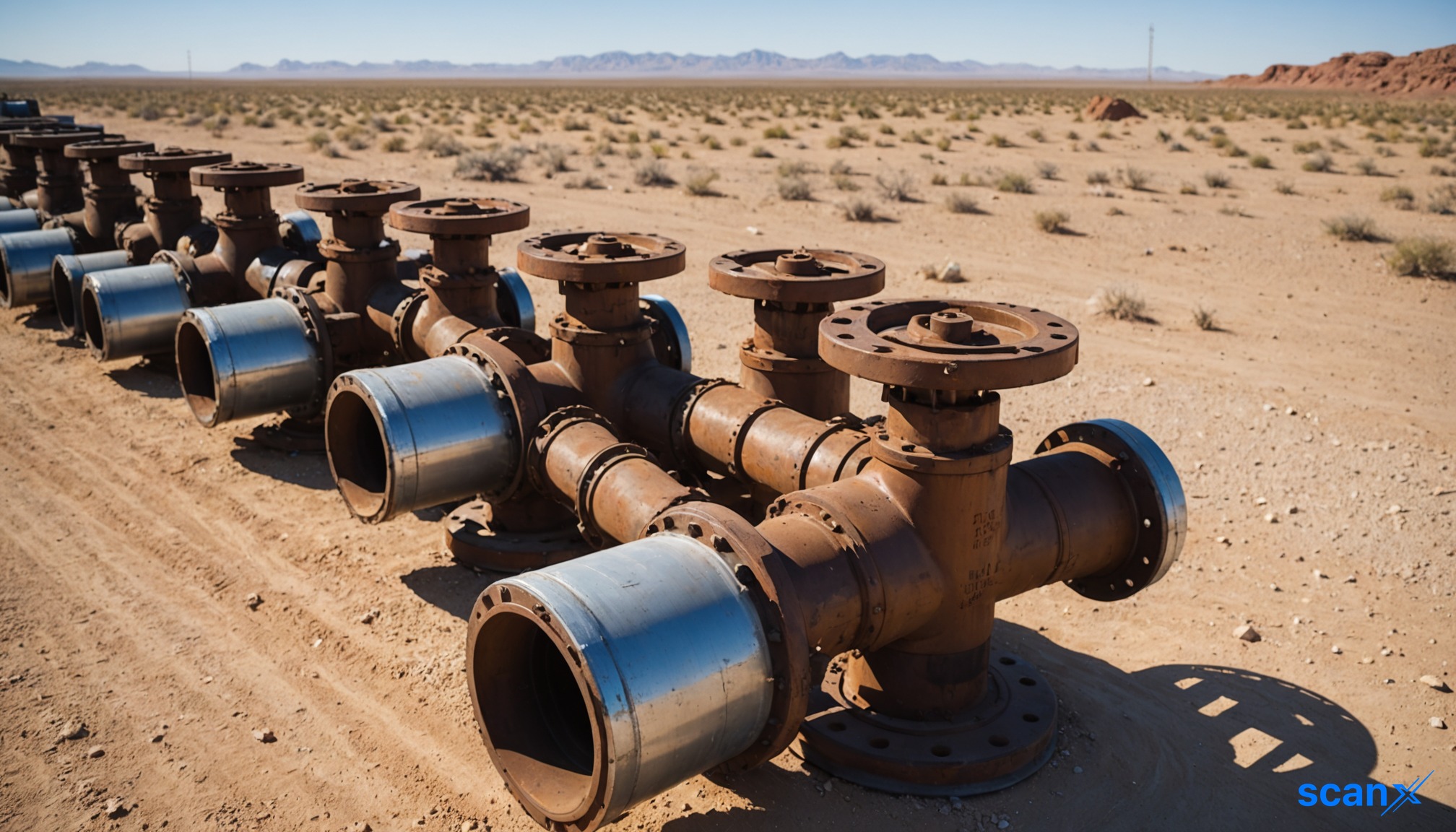
*this image is generated using AI for illustrative purposes only.

Escalating conflict in the Middle East has pushed oil prices above $100 a barrel. A temporary shutdown of Saudi Arabia’s key 7-million-barrel-a-day East-West pipeline and Houthi territorial gains in Yemen have intensified supply disruption fears.

The geopolitical instability is triggering immediate monetary policy responses globally. The European Central Bank raised three key interest rates by 25 bps on Thursday, citing persistent inflation pressures from the conflict. Analysts at Capital Economics warn prices could rise toward $120.

Pipeline Disruption Hits Supply

Saudi Arabia closed its East-West pipeline following multiple drone attacks on Thursday. The Ministry of Energy described the closure as a precautionary measure after emergency teams secured the facility. Operated by Saudi Aramco, the 745-mile conduit runs from Abqaiq to Yanbu on the Red Sea coast.

This route serves as a critical alternative to the Strait of Hormuz, which had carried roughly a fifth of global oil supply before disruptions halted tanker traffic. Saudi oil exports slumped to about 3 million barrels a day in August, the lowest level since early 2017.

Metric Value
Pipeline Capacity 7 million barrels/day
Current Export Volume ~3 million barrels/day (August)
Price Level Above $100/barrel

Gregory Brew of Eurasia Group noted that the shutdown removes about 3.5 million barrels a day from regional flows. He estimated this drops conservative regional flow estimates from 12-13 million barrels a day to about 9 million barrels a day.

Houthi Advances Threaten Second Chokepoint

Houthi forces reached Perim Island in Bab al-Mandeb on Friday. Control of this waterway, where as much as 12% of global maritime trade flows, gives Iran leverage over a second major transit route. This development follows Houthi targeting of Saudi energy facilities in Abha, Najran and Jazan.

Brett Erickson of Obsidian Risk Advisors stated the global energy market now hinges on whether Houthis restrict only Saudi traffic through Bab al-Mandeb. He described the past 24 hours as catastrophic for global energy markets.

Monetary Policy Tightens

The oil price rally has reinforced expectations for interest rate hikes. JP Morgan forecasts eight to nine developed economies could raise rates by year-end due to elevated inflation pressures in countries including the United States, Japan and Australia.

ING Think expects the U.S. Federal Reserve to hike rates by 25 bps in September. This forecast follows Chair Kevin Warsh’s Jackson Hole speech, where he emphasized a focus on inflation that has remained above target for five and a half years. Warsh highlighted commodity prices as key market signals for monetary policy decisions.

How might the simultaneous disruption of the Strait of Hormuz and Bab al-Mandeb chokepoints alter global shipping insurance premiums and logistics strategies?

Could the ECB's preemptive rate hike trigger a divergence in monetary policy timelines between the Eurozone and the U.S. Federal Reserve, impacting currency markets?

What is the likelihood that OPEC+ will activate spare capacity to offset the 3.5 million barrel daily shortfall, and how quickly can they respond?

like18
dislike

US redirects 17 vessels in Iran blockade as crude nears $97

scanx
Reviewed by
Shriram SScanX News Team
Key Highlights

The US has intensified its naval blockade against Iran, redirecting 17 commercial vessels and disabling two, according to CENTCOM. This occurs alongside a pause in airstrikes, as Brent crude rises 27% to $96.78 amid fears of prolonged Strait of Hormuz closure.

powered bylight_fuzz_icon
46678928

*this image is generated using AI for illustrative purposes only.

The United States has intensified its naval blockade against Iran, with US Central Command (CENTCOM) reporting on Saturday that it has redirected 17 commercial vessels attempting to breach the restrictions. This update supersedes earlier figures of 12 diverted ships reported on July 25, signaling a tightening of maritime enforcement despite a second consecutive night of paused airstrikes. The strategic pause in kinetic operations comes as Brent crude closed at $96.78 a barrel on Friday, having climbed approximately 27% over the past two weeks due to escalating US-Iran clashes. The divergence between the military pause and the aggressive blockade enforcement underscores a shift toward sustained economic pressure, posing severe risks to global energy supply chains.

Blockade Enforcement and Maritime Disruptions

CENTCOM’s latest data indicates that among the 17 redirected vessels, two were disabled and two were boarded to ensure full compliance with the blockade orders. These actions follow previous incidents where US forces boarded the M/T Charminar tanker, flying the flag of the Comoros, in the Arabian Sea, and halted the M/T Lavine tanker, flying the flag of Mozambique, in the Gulf of Oman after its crew ignored warnings. The increased number of intercepted vessels suggests that commercial traffic is continuing to attempt passage through the Strait of Hormuz, testing the limits of the US-enforced exclusion zone.

Metric Previous Report (July 25) Latest Update (Saturday)
Vessels Redirected 12 17
Vessels Disabled Not specified 2
Vessels Boarded 2 (Charminar, Lavine) 2

Diplomatic Efforts and Regional Tensions

Diplomatic channels remain active amid the military standoff. Omani officials traveled to Tehran this weekend to discuss navigation through the Strait of Hormuz, following the collapse of a mid-June ceasefire after Iranian attacks on commercial vessels. Iranian Foreign Ministry spokesman Esmail Baghaei stated that talks with Omani deputy foreign ministers were constructive, though no change in traffic status has been confirmed. Meanwhile, the Islamic Revolutionary Guard Corps (IRGC) warned that the UK or any country supporting the US would become legitimate military targets, following reports of planned US-UK meetings in London to form an international coalition for maritime protection.

Iran has also ceased retaliatory attacks since the US halted strikes, according to Army spokesman Mohammad Akraminia. Analysts suggest the pause aims to give ceasefire negotiations more time, though doubts remain about whether escalation alone will compel Tehran to end hostilities.

Market Outlook and Supply Risks

The prolonged conflict poses severe risks to global oil supply chains. Kpler, a global commodities analytics firm, now expects the Strait of Hormuz to remain closed until 2027, a disruption longer than markets initially priced. Matt Smith, Kpler’s research commodity director, noted that five months of conflict have left "no endgame in sight," which could keep crude prices elevated well into next year. With the strait being the world’s most critical oil chokepoint, any physical damage to infrastructure or continued closure threatens immediate volatility in energy markets.

What the Numbers Show

The increase in redirected vessels from 12 to 17 within a short timeframe highlights the persistent attempt by commercial entities to navigate the blockade, despite the heightened risk of interception. The 27% surge in Brent crude over two weeks reflects market anxiety over supply continuity, while Kpler’s projection of a closure lasting until 2027 signals long-term structural risks to global energy security. This environment underscores the sensitivity of diplomatic negotiations, where any misstep could exacerbate regional volatility and further strain relations with key Gulf allies.

How might the projected closure of the Strait of Hormuz until 2027 accelerate the global transition to alternative energy sources or rerouting infrastructure?

What are the potential legal and insurance ramifications for commercial shipping companies operating in the exclusion zone following the disabling of vessels?

Could the formation of a US-UK maritime coalition trigger a broader regional alliance, potentially drawing in other Gulf states or European powers?

like20
dislike