

US demands zero tolls for Strait of Hormuz, clashing with Iran’s fee


Washington's demand for zero tolls clashes with Iran's 5-7% fee request and Oman's 3% proposal, creating a major hurdle in Strait of Hormuz reopening talks. Oil prices dipped slightly following a strike halt, but political tensions and unresolved financial terms persist.


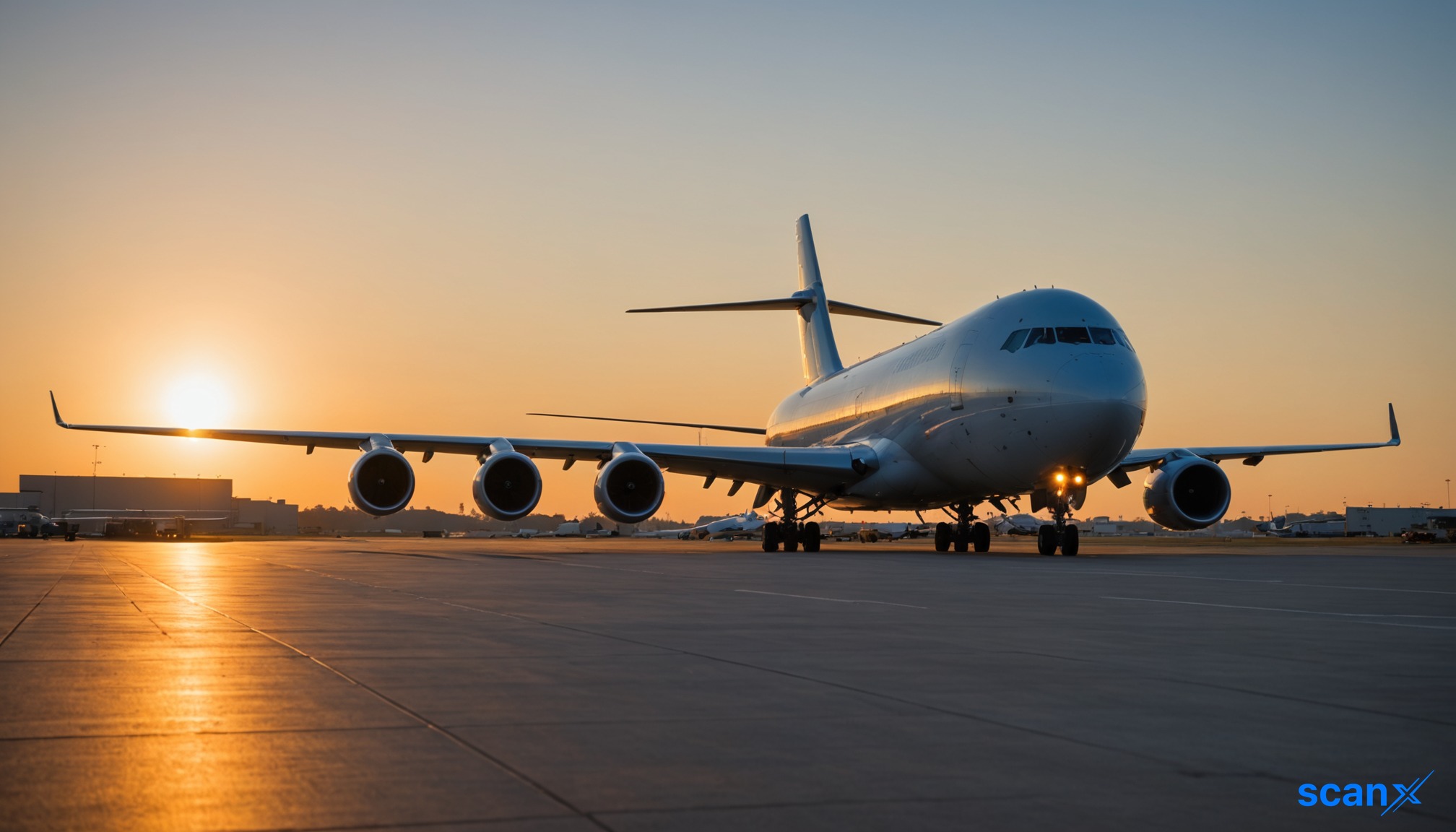
*this image is generated using AI for illustrative purposes only.
The United States has firmly rejected any transit fees for the Strait of Hormuz, stating that temporary routes must operate "without any impediments," including no approvals, permissions, or tolls. This position, communicated by a US official to CNBC correspondent Megan Cassella, directly contradicts Iran’s demand for a 5% to 7% toll on cargo value and Oman’s proposed 3% rate. The clash introduces a significant diplomatic obstacle to reopening the waterway, which handles approximately 20 million barrels per day, as Washington refuses to accept financial concessions from Tehran.
Divergent Positions on Transit Fees
Negotiations to reopen the Strait have been complicated by starkly different financial proposals. Iranian Deputy Foreign Minister Kazem Gharibabadi previously indicated that ships would travel through "Iranian territorial waters" on both inbound and outbound legs, justifying the higher fee. Oman has advocated for a lower 3% rate to facilitate trade. However, the US insistence on a zero-toll policy undermines these frameworks. Gharibabadi noted that while Iran sees indications the US is prepared to return to commitments under the June Memorandum of Understanding (MoU), this remains only a necessary condition, not a sufficient one, for reopening.
| Proposal: | Toll Rate: | Proponent: |
|---|---|---|
| Zero Tolls | No fees or permissions | United States |
| High Rate | 5% to 7% of cargo value | Iran |
| Low Rate | 3% of cargo value | Oman |
Market Reaction and Political Context
Oil markets reacted cautiously to the shifting diplomatic landscape. Following President Donald Trump’s announcement of a halt to strikes on Iran to facilitate talks, Brent crude fell 0.38% to $79.15/bbl, and West Texas Intermediate (WTI) dropped 0.47% to $74.87/bbl. In the US, the national average gasoline price stood at $4.0801/gallon, while diesel averaged $5.3622/gallon, according to American Automobile Association data. Despite the price dip, political tensions persist. Sen. Chuck Schumer criticized Trump, arguing the conflict benefits oil companies reporting massive profits, while Trump accused firms of "making too much money." Officials cited by Reuters stressed that significant issues remain unresolved, pushing back against suggestions of an immediate resolution.
What the Numbers Show
The US rejection of tolls highlights a fundamental disconnect in the negotiation strategy. While Iran and Oman are discussing revenue-sharing mechanisms to compensate Tehran for security guarantees, Washington views any toll as an unacceptable impediment to free navigation. This divergence suggests that without a compromise on the financial structure of transit, or a complete waiver of Iranian demands, the reopening of the Strait faces substantial delays. The market’s modest reaction reflects uncertainty over whether the US will enforce its zero-toll stance strictly or allow limited exceptions during transitional phases.

How might the US zero-toll stance impact the willingness of other Gulf states to participate in alternative security frameworks for the Strait?
Could prolonged diplomatic deadlock lead to a structural shift in global oil supply chains, accelerating investments in non-Gulf energy sources?
What are the potential legal ramifications if Iran unilaterally enforces tolls despite US opposition, particularly regarding international maritime law?
 18
18





 Access 50+ Readymade Screeners
  Use 200+ Custom Filters
  Get Full Market Insights





