Vance outlines two-phase Iran strategy, cites Hormuz traffic recovery

scanx
Reviewed by
Shriram SScanX News Team
Key Highlights
  • Vance outlined a two-phase strategy to dismantle Iran's nuclear and conventional military capabilities
  • US Vice President stated the US is not engaged in aggressive operations
  • Traffic through the Strait of Hormuz has recovered to well over 50% of normal levels
  • Recovery in shipping occurs despite continued Iranian attacks on commercial vessels
powered bylight_fuzz_icon
51060681

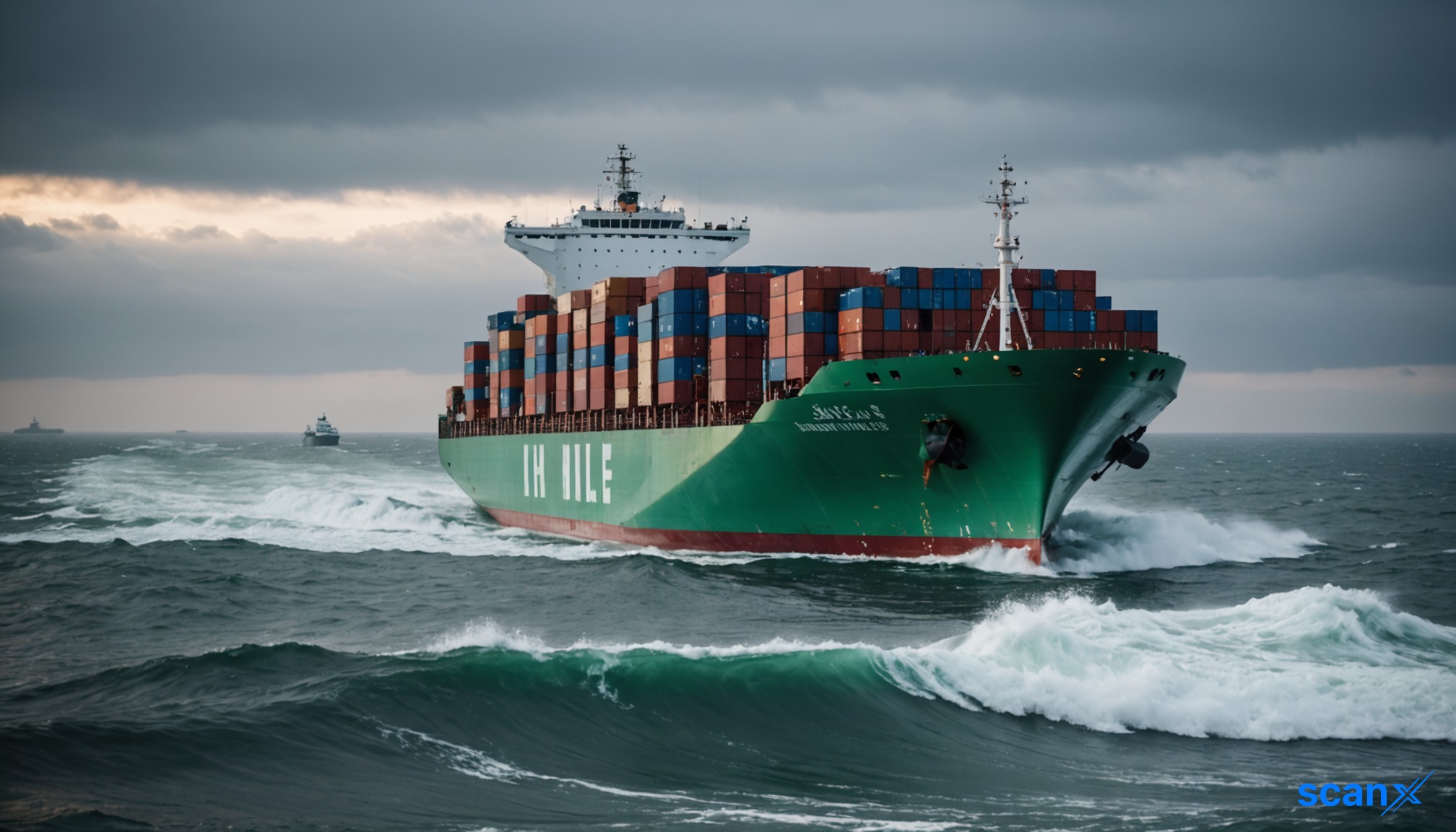
*this image is generated using AI for illustrative purposes only.

US Vice President JD Vance outlined a two-phase strategy targeting Iran's nuclear program and military capabilities, while noting that commercial shipping through the Strait of Hormuz has recovered significantly.

Vance stated that the US is "not engaged in aggressive operations" and reported that traffic through the strategic waterway has returned to "well over 50% of normal traffic," despite continued Iranian attacks on commercial shipping.

Two-phase framework explained

Vance described the first phase as focused on destroying Iran's nuclear program, its conventional military, and its ability to project power. The second phase centres on ensuring that Iran is "not able to rebuild" while maintaining global stability.

Key elements of the stated approach

The two phases, as described by Vance, can be summarised as follows:

Phase Stated Objective
Phase one Destroying Iran's nuclear program, conventional military, and ability to project power
Phase two Ensuring Iran is not able to rebuild while maintaining global stability
  • Phase one targets Iran's nuclear capabilities, its conventional armed forces, and its regional power projection.
  • Phase two focuses on preventing reconstitution of those capabilities alongside preserving broader global stability.

Maritime context

Addressing the impact on global trade routes, Vance highlighted the resilience of maritime logistics in the region. He noted that despite ongoing hostilities involving Iranian attacks on commercial vessels, the flow of goods through the Strait of Hormuz has stabilised at more than half of its pre-conflict volume.

How might the implementation of Phase One impact global oil prices and energy supply chains in the short term?

What specific mechanisms or international alliances will the US employ to ensure Iran cannot rebuild its capabilities during Phase Two?

Will the recovery of shipping traffic to 50% of normal levels be sufficient to prevent significant inflationary pressures on global consumer goods?

like17
dislike

Newsom Accuses Trump of Failing to Shield US From Iran War Costs

scanx
Reviewed by
Shriram SScanX News Team
Key Highlights
  • Governor Gavin Newsom accuses Trump and Chris Wright of ignoring predictable cost surges from Iran war
  • WTI crude rises 1.60% to $103.01; Brent crude up 1.42% to $107.18
  • National average gas hits $4.3163/gallon; diesel reaches $6.2301/gallon
  • ExxonMobil Joliet refinery outage causes Great Lakes gas prices to jump 35 cents/gallon
  • Iran's Security Chief rejects deal talks until conditions are met amid pipeline strikes
powered bylight_fuzz_icon
50995414

*this image is generated using AI for illustrative purposes only.

California Governor Gavin Newsom accused President Donald Trump and Energy Secretary Chris Wright on Monday of knowing that military action against Iran would disrupt the Strait of Hormuz and drive up costs, yet taking no steps to protect consumers.

Newsom posted on X that Americans are owed answers regarding what the administration knew about these predictable consequences. He stated that everyone understood the war would disrupt the strait and skyrocket costs, but Wright did nothing to shield the United States.

Energy Sector Disruptions

The political criticism coincides with significant volatility in energy markets. WTI crude futures for October rose 1.60% to $103.01, while Brent crude futures for November increased 1.42% to $107.18.

Domestic fuel prices also surged. According to American Automobile Association data, the national average gasoline price reached $4.3163 per gallon, and diesel hit $6.2301 per gallon.

Operational disruptions further strained supply. ExxonMobil Holdings Corp (NYSE: XOM) shut down its Joliet, Illinois refinery following a total power outage. GasBuddy analyst Patrick De Haan noted the facility has a capacity of 275,000 barrels per day. Although power was restored, De Haan indicated it would take several days to fully resume operations.

The outage triggered immediate regional price spikes. Great Lakes spot gasoline jumped 35 cents per gallon, and diesel prices rose 22 cents per gallon. These increases are expected to impact Indiana, Ohio, Illinois, and Wisconsin.

Political Backlash and Geopolitical Tensions

Energy Secretary Wright previously criticized Newsom and the Biden administration for closing oil refineries, arguing that reduced refining capacity is a major problem for the US. Wright made these remarks as energy prices continued to rise.

Meanwhile, diplomatic tensions escalated. Iran’s Security Chief Mohsen Rezaee dismissed President Trump’s suggestion that Iran wants a quick deal. Rezaee warned that damage control would not stop upcoming actions and stated there would be no talks until Iran’s conditions are met.

Rezaee referenced earlier threats to block oil movement through the Strait of Hormuz after the White House announced new economic restrictions. Tehran has demanded a return to the terms of the Memorandum of Understanding signed in June.

Compounding supply concerns, Iran-backed Houthis in Yemen struck Saudi Arabia’s crucial East-West pipeline, adding further disruptions to the global oil supply chain.

What the Numbers Show

The simultaneous rise in crude benchmarks and domestic fuel prices highlights immediate transmission of geopolitical risk to consumer costs. With WTI crossing $103 and Brent exceeding $107, the market is pricing in sustained supply constraints from both the Strait of Hormuz threat and domestic refinery outages like the one at Joliet.

How might the sustained elevation of WTI and Brent crude above $100 influence the Federal Reserve's upcoming interest rate decisions amid rising inflationary pressures?

What specific strategic reserves or emergency supply mechanisms could the US administration deploy to mitigate consumer fuel costs if the Strait of Hormuz is fully blocked?

Could the ExxonMobil Joliet refinery outage signal a broader vulnerability in US refining infrastructure that accelerates the transition to alternative energy sources?

like18
dislike
Must Read Next

Stocks

W.J. Towell files Dubai court annulment petition against Blue Star arbitration award 4 mins ago
no imag found
India Pesticides gets UK insecticide equivalence, Argentina herbicide nod 4 mins ago
RR Kabel commences commercial production at new Silvassa plant 5 mins ago