

Iran Condemns US Strike on Darquoin Power Plant, Vows Defensive Measures


Iran's Deputy Foreign Minister Gharibabadi condemned a US strike on the Darquoin power plant's under-construction facilities as a dangerous assault on peaceful infrastructure, holding Washington fully responsible for regional instability. US airstrikes since July 6 have killed at least 50 people, wounded more than 500, and left some 10,000 without water, while Iran has suspended its MoU commitments and pledged to defend its national interests and security.



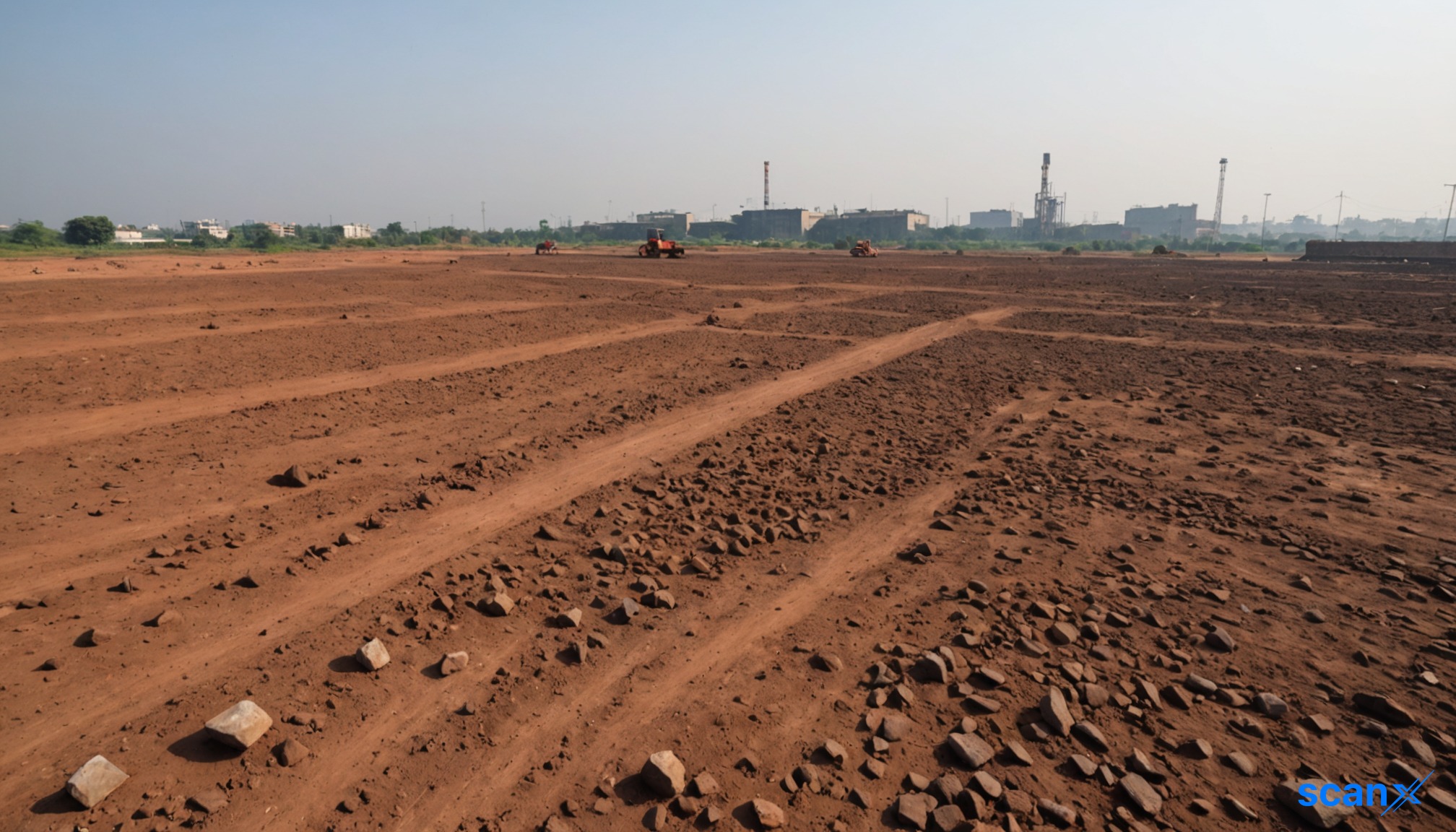
*this image is generated using AI for illustrative purposes only.
Iran has suspended its commitments under a Memorandum of Understanding (MoU) with the US following a series of airstrikes that killed at least 50 people and wounded more than 500. The decision, announced by Deputy Foreign Minister Kazem Gharibabadi, comes after US Central Command (CENTCOM) targeted Iranian military logistics infrastructure, surveillance sites, and underground weapons storage facilities. In the latest escalation, Gharibabadi condemned a US strike on the Darquoin power plant's under-construction facilities as a "dangerous assault on Iran's peaceful infrastructure," holding the US government fully responsible for the consequences of heightened insecurity and instability. Iran has warned it will take appropriate measures to defend its national interests and security.
Gharibabadi stated that the US had violated and suspended all its commitments within the framework of the Islamabad MoU, prompting Iran to halt its implementation. "We have also suspended our commitments, we are not implementing them, and we are busy defending the country," Gharibabadi told the semi-official Fars News Agency. The strikes, which took place on Friday night, also fully enforced a naval blockade against Iranian ports.
Impact of US Strikes
The Iranian Health Ministry reported that US attacks since July 6 have resulted in significant casualties and infrastructure damage. The national water company indicated that approximately 10,000 people are without water following the overnight attacks.
| Metric: | Figure: |
|---|---|
| People killed: | At least 50 |
| People wounded: | More than 500 |
| People without water: | Some 10,000 |
Critical infrastructure was hit, including a seawater pumping station and a power transformer at the Bunji desalination plant in southern Iran, which Tasnim News Agency reported were "completely destroyed." The Islamic Revolutionary Guard Corps (IRGC) warned that countries hosting US forces should prepare for a proportionate response. The strike on the Darquoin power plant's under-construction facilities further widened the scope of damage to civilian and energy infrastructure.
Kuwait Oil Site Attacked
Separately, the Kuwait Petroleum Corporation (KPC) announced that one of its vital oil sector sites was repeatedly attacked, resulting in significant material damage and some injuries. Satellite imagery captured smoke billowing near an oil facility in Mangaf, Kuwait. Kuwait's military confirmed it detected and intercepted hostile ballistic missiles and drones within its airspace.
New Strikes and Escalating Rhetoric
Iran's Supreme Leader Mojtaba Khamenei said that repeated US violations of the Iran-US memorandum of understanding proved President Donald Trump's signature "utterly worthless and devoid of credibility." He warned the "resistance front" had "unforgettable lessons" in store for Washington. In a post on X, US Central Command said, "Today at 6 p.m. ET, US forces began launching new airstrikes against Iran at the Commander in Chief's direction. The strikes are designed to further degrade Iran's ability to threaten commercial shipping in the Strait of Hormuz and swiftly punish Islamic Revolutionary Guard Corps forces who launched attacks against American service members in Jordan last night."
Iranian ballistic missile and drone attacks killed two US service members in Jordan on Friday. One service member remains missing, and four others were medically evacuated to Jordanian hospitals. Early Saturday, Iran attacked US allies Kuwait and Bahrain, hitting a Kuwaiti desalination plant and Bahrain's Sheikh Isa Air Base, hours after CENTCOM completed a seventh straight night of strikes on Iranian sites. Iran's condemnation of the Darquoin power plant strike and its pledge to defend national interests signal a continued deepening of the conflict, raising concerns over broader regional stability.

How will Iran's suspension of the Islamabad MoU affect future diplomatic engagements with the US?
What measures might Iran take to defend its national interests following the US strikes?
How will the attacks on Kuwait's oil sites impact global oil prices and supply chains?
 18
18





 Access 50+ Readymade Screeners
  Use 200+ Custom Filters
  Get Full Market Insights





