Iran Supreme Leader Warns US Will No Longer Have Safe Haven for Middle East Bases

0 min read     Updated on 26 May 2026, 12:48 PM
scanx
Reviewed by
Shriram SScanX News Team
AI Summary

Iran's Supreme Leader has warned that the United States will no longer have a safe haven for its military bases in the Middle East. The statement represents a direct and confrontational message aimed at American military presence in the region. The source material provides only the core declaration without additional context, figures, or supporting details.

powered bylight_fuzz_icon
41325492

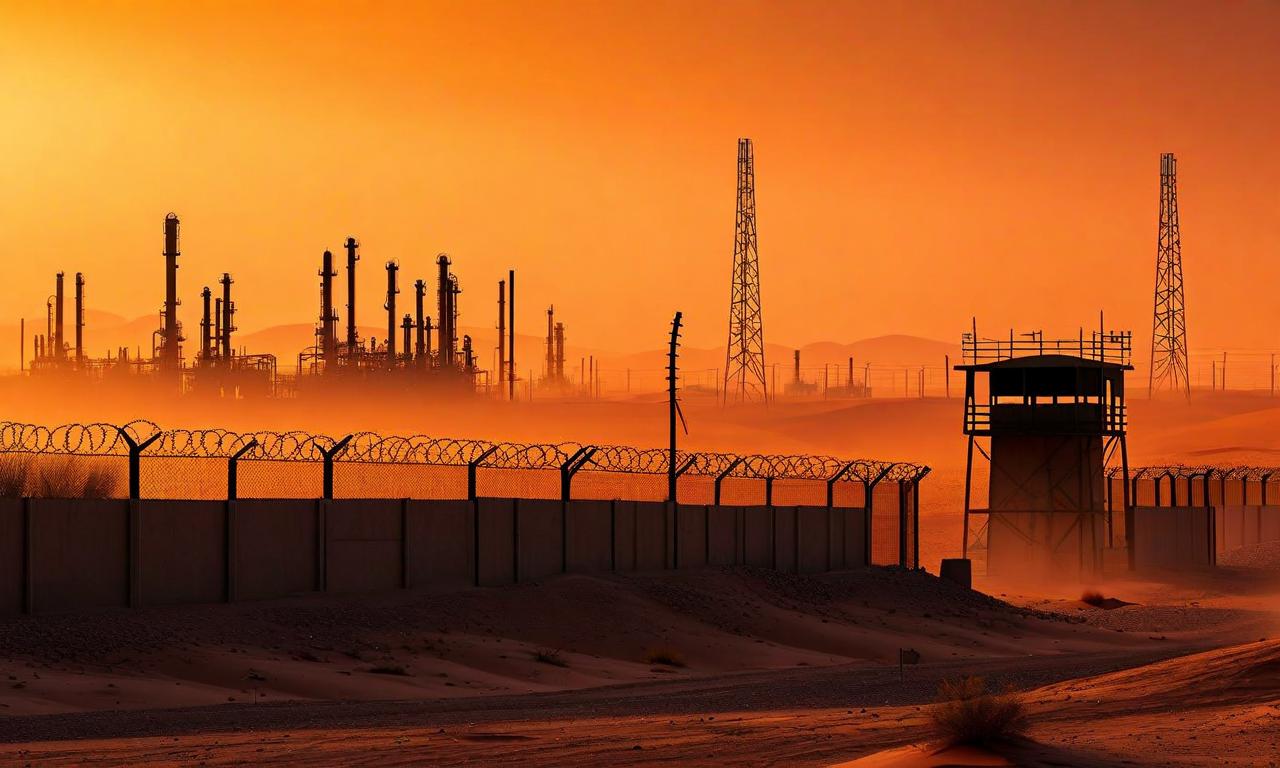
*this image is generated using AI for illustrative purposes only.

Iran's Supreme Leader has issued a pointed warning to the United States, declaring that American military installations across the Middle East will no longer be regarded as safe havens. The statement marks a significant escalation in rhetoric between Tehran and Washington concerning US military presence in the region.

Key Statement

The warning from Iran's Supreme Leader centers on the assertion that the US can no longer count on security for its Middle East bases. The declaration underscores ongoing geopolitical friction between Iran and the United States over the latter's regional military footprint.

Parameter: Details
Source: Iran Supreme Leader
Subject: US Military Bases in the Middle East
Core Warning: US will no longer have safe haven for Mideast bases

Regional Implications

The statement from Iran's Supreme Leader adds to a pattern of confrontational messaging between Tehran and Washington. The declaration specifically targets the security of US military bases positioned across the Middle East, a region where American forces maintain a substantial presence. No further details, dates, or supporting data were included in the source material beyond this core warning.

How might this escalation impact global oil prices and supply chain stability in the region?

What specific defensive measures could the US military implement to protect assets in the Middle East?

Will this warning lead to increased diplomatic efforts from regional allies to mediate tensions?

like19
dislike

Iran Supreme Leader Announces New Stage in Strait of Hormuz Management

0 min read     Updated on 10 Apr 2026, 09:46 AM
scanx
Reviewed by
Anirudha BScanX News Team
AI Summary

Iran's Supreme Leader has announced the country's transition to a new stage in Strait of Hormuz management, seeking cooperative responses from southern neighboring nations. The leadership emphasized the importance of regional brotherhood in response to this new maritime management approach for the strategically critical waterway.

powered bylight_fuzz_icon
37340210

*this image is generated using AI for illustrative purposes only.

Iran's Supreme Leader has announced a significant shift in the country's approach to managing the Strait of Hormuz, declaring that Iran is moving to a new stage in the oversight of this critical maritime passage. The statement represents a notable development in regional maritime policy for one of the world's most strategically important waterways.

Regional Cooperation Initiative

The Iranian leadership has indicated that it is awaiting an appropriate reaction from southern neighboring countries in response to this new management approach. The Supreme Leader emphasized the importance of these nations demonstrating what was described as "brotherhood" in their response to Iran's new Hormuz management strategy.

Strategic Maritime Significance

The Strait of Hormuz serves as a vital chokepoint for global energy transportation, making any changes in its management approach significant for regional and international maritime operations. Iran's announcement of transitioning to a new stage in managing this waterway indicates a potential shift in the country's regional maritime strategy.

The call for neighboring countries to show brotherhood suggests Iran is seeking a cooperative rather than confrontational approach to regional maritime governance. This diplomatic outreach to southern neighbors represents an attempt to build consensus around Iran's new management framework for the strategic waterway.

How might global oil prices react if Iran's new Strait of Hormuz management approach leads to shipping delays or increased transit fees?

Which specific southern neighboring countries is Iran targeting for cooperation, and what concessions might they demand in return for their support?

Could this maritime policy shift signal Iran's preparation for potential future sanctions or military tensions in the region?

like16
dislike