

Iran and Houthis escalate Gulf attacks, raising wider war risk


- Iran and Houthi allies struck an oil and chemical tanker near Qatar late Wednesday, causing casualties, with regional officials pointing to Iran as the likely perpetrator
- A Saudia Airlines commercial plane was heavily damaged by fire at Riyadh's international airport on Thursday after being struck by shrapnel
- Houthis have struck a Saudi Aramco refinery and aim to retake the Bab al-Mandeb Strait, a key route for Saudi oil exports
- Brent crude futures expiring December 2026 were trading at $103.31 per barrel (-0.91%); WTI futures expiring November 2026 were at $91.00 per barrel (-0.54%)
- Trump said the U.S. will not take military action against Iran before the November 3 midterm elections, as diplomacy continues alongside escalating regional tensions

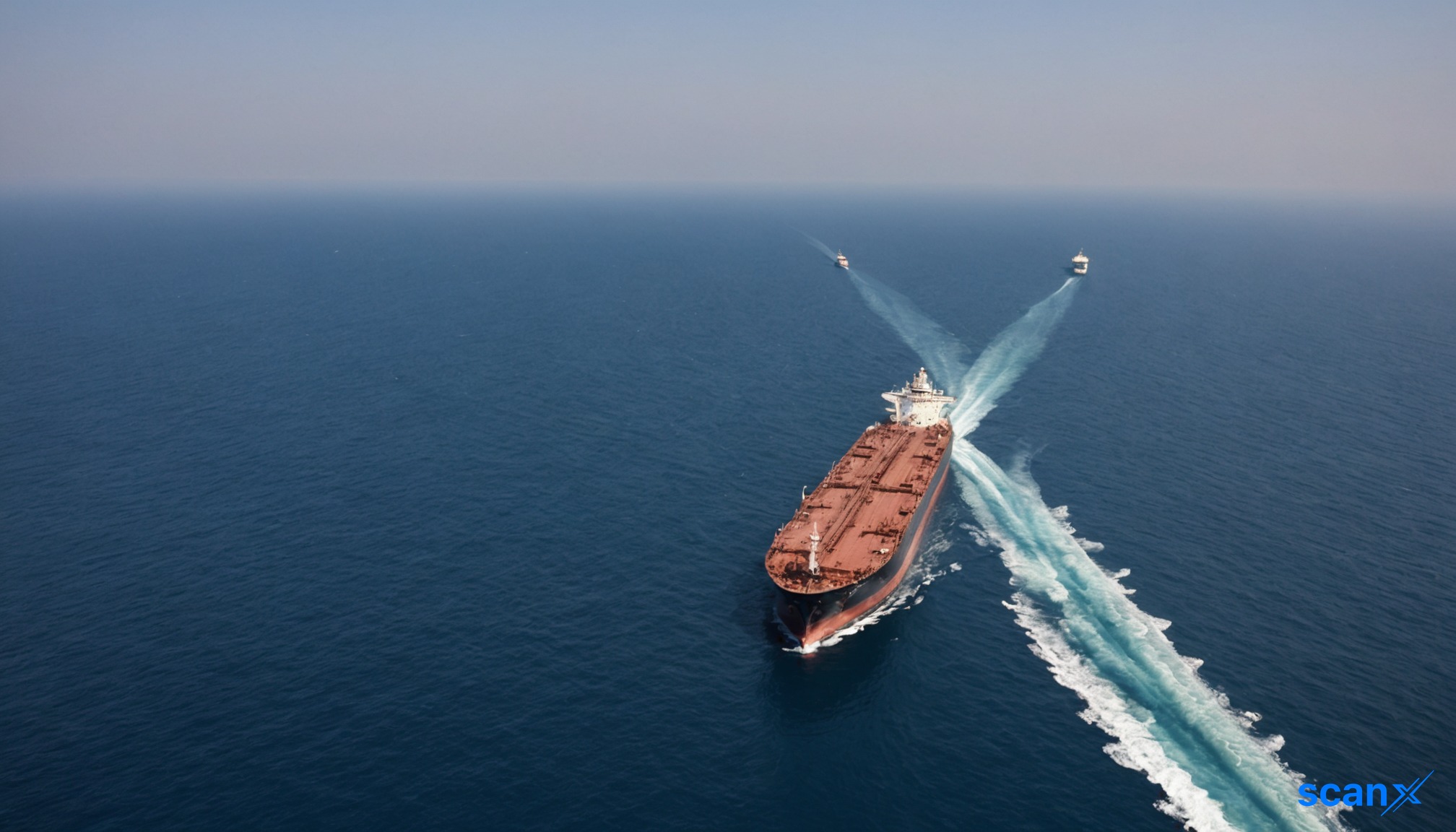

*this image is generated using AI for illustrative purposes only.
Iran and its Houthi allies launched a series of attacks across the Persian Gulf, striking an oil and chemical tanker near Qatar and damaging a commercial aircraft in Riyadh, intensifying regional security concerns.
The tanker was hit by multiple projectiles late Wednesday, resulting in casualties, according to the Wall Street Journal, citing maritime intelligence firm Vanguard and the U.K. Maritime Trade Operations agency. No group claimed responsibility for the tanker strike, though regional officials told the publication that Iran was likely behind the incident.
Houthis strike Saudi Arabia for third consecutive day
The Houthis followed up with strikes on Thursday in Saudi Arabia, forcing residents to take cover for a third consecutive day. A Saudia Airlines commercial plane was heavily damaged by fire at an airport terminal after being struck by shrapnel from an interception or another projectile at Riyadh's international airport.
The following table summarises the key incidents reported across the region:
| Incident | Location | Details |
|---|---|---|
| Oil and chemical tanker attack | Near Qatar | Hit by multiple projectiles late Wednesday; casualties reported; no group claimed responsibility |
| Saudia Airlines aircraft damage | Riyadh international airport | Commercial plane heavily damaged by fire after shrapnel strike on Thursday |
| Saudi Aramco refinery strike | Saudi Arabia | Struck by Houthis as part of broader campaign |
| Supertanker fire | Near Fujairah | Marshall Islands-flagged vessel; threat to ship-to-ship oil transfers in Gulf of Oman |
Rising attacks threaten key oil routes
The latest incidents add to a week of worsening tensions across major energy corridors. Over the past weekend, Saudi Arabian and Yemeni government forces launched a counteroffensive against the Houthis after the group seized territory weeks earlier. The Houthis aim to retake the Bab al-Mandeb Strait, a vital route for Saudi oil exports, and have struck a Saudi Aramco refinery. The group could also target Saudi Arabia's East-West pipeline, which recently resumed operations.
Shipping risks expanded beyond the Strait of Hormuz. Brett Erickson, Managing Principal at Obsidian Risk Advisors, warned that a reported fire aboard a Marshall Islands-flagged supertanker near Fujairah could threaten ship-to-ship oil transfers in the Gulf of Oman. He said disrupting the network, which is also used by shadow fleets to evade sanctions, could severely affect regional oil flows, stating, "It's game over."
At the time of writing, crude oil prices reflected the heightened uncertainty:
| Contract | Expiry | Price | Change |
|---|---|---|---|
| Brent crude futures | December 2026 | $103.31 per barrel | -0.91% |
| WTI crude futures | November 2026 | $91.00 per barrel | -0.54% |
US-Iran tensions rise despite ongoing talks
Donald Trump said the U.S. will not take military action against Iran before the November 3 midterm elections, citing ongoing and productive discussions with Tehran. U.S. officials believe delaying a decision on renewed military action could pressure Iran into making major concessions, particularly on its nuclear program, according to the Wall Street Journal.
Andreas Krieg of King's College London told the publication that Iran is escalating pressure as Washington strengthens its rhetoric and military posture, even as both sides keep diplomacy open. He warned that efforts to gain leverage could trigger a wider war if a serious incident occurs. "This is precisely what makes the moment so dangerous," he said.

How might the disruption of ship-to-ship oil transfers near Fujairah impact global crude supply chains and insurance premiums for Gulf shipping?
Will the U.S. election timeline influence the intensity of diplomatic negotiations with Iran, or could it embolden further regional escalations?
What specific contingency plans are Saudi Aramco and other energy firms deploying to secure the East-West pipeline against future Houthi attacks?
 19
19




 Access Market Heat-map & Insights
  Create, Save & Share your Screener
  Use 200+ Screening Filters





