India Confirms No Discussions With U.S. on Strait of Hormuz Ship Assistance

0 min read     Updated on 16 Mar 2026, 03:38 PM
scanx
Reviewed by
Shraddha JScanX News Team
AI Summary

India has officially confirmed that no talks have been conducted with the United States about providing assistance to ships in the Strait of Hormuz. This statement clarifies speculation about potential maritime cooperation between the two nations in the strategically important shipping corridor.

powered bylight_fuzz_icon
35201300

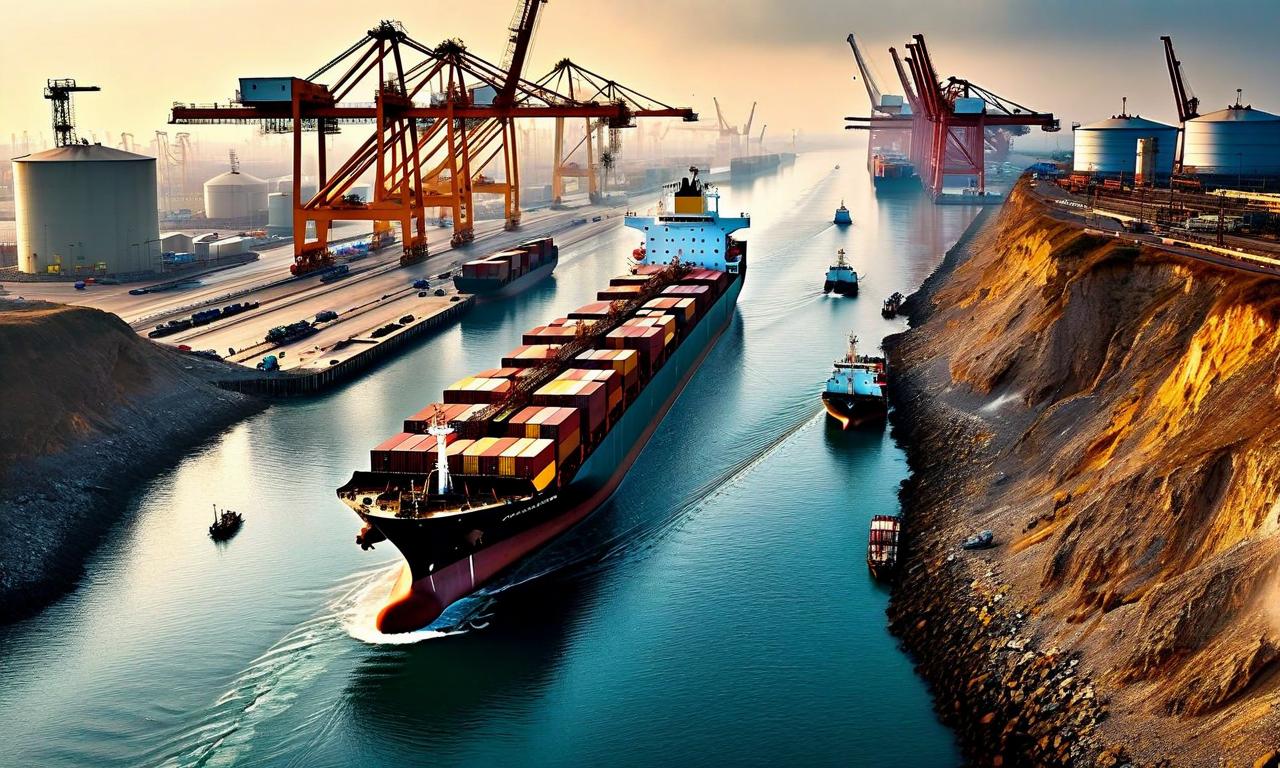
*this image is generated using AI for illustrative purposes only.

India has officially confirmed that no discussions have taken place with the United States regarding assistance for ships transiting through the Strait of Hormuz. This statement clarifies the current status of diplomatic engagement between the two nations on maritime security matters in the region.

Strategic Significance

The Strait of Hormuz represents one of the world's most critical maritime chokepoints, serving as a vital corridor for global energy supplies and international trade. Any potential cooperation between major powers in this region carries significant implications for maritime security and regional stability.

Official Position

India's confirmation puts to rest speculation about potential bilateral discussions on naval cooperation in the strait. The statement provides clarity on the current diplomatic stance regarding maritime assistance operations in this strategically important waterway.

Regional Context

The denial of talks comes amid ongoing global attention on maritime security in the Persian Gulf region. India's position reflects its independent approach to regional maritime affairs and bilateral relationships with various stakeholders in the area.

like20
dislike

Fitch Ratings Forecasts India's FY26 GDP Growth At 7.5% Driven By Domestic Demand

1 min read     Updated on 13 Mar 2026, 03:28 PM
scanx
Reviewed by
Radhika SScanX News Team
AI Summary

Fitch Ratings has projected India's GDP growth at 7.5% for FY26, driven primarily by domestic demand. While the annual outlook remains positive, the rating agency has noted some signs of economic activity slowing in January and February, presenting a mixed picture of near-term momentum versus medium-term growth prospects.

powered bylight_fuzz_icon
34941490

*this image is generated using AI for illustrative purposes only.

Fitch Ratings has released its economic outlook for India, projecting GDP growth of 7.5% for the fiscal year 2026. The rating agency attributes this growth projection primarily to strong domestic demand, which is expected to serve as the key driver of economic expansion.

Growth Drivers and Economic Outlook

The 7.5% GDP growth forecast for FY26 reflects Fitch's confidence in India's domestic economic fundamentals. Domestic demand is positioned as the central pillar supporting this growth trajectory, indicating the agency's assessment of robust consumer spending and investment activity within the country.

Recent Economic Activity Trends

Despite the positive annual growth projection, Fitch has observed some signs of economic activity slowing during the January and February period. This observation suggests potential near-term moderation in economic momentum, even as the broader annual outlook remains optimistic.

The rating agency's assessment highlights the mixed signals in India's economic landscape, where strong underlying domestic demand supports medium-term growth prospects while recent months have shown some deceleration in activity levels.

Economic Performance Assessment

Fitch's projection places India among the faster-growing major economies globally, with the 7.5% growth rate reflecting the country's economic resilience and domestic market strength. The emphasis on domestic demand as the primary growth driver underscores the importance of internal consumption and investment in sustaining economic expansion.

The combination of positive annual projections alongside recent monthly slowdown indicators presents a nuanced view of India's economic trajectory, balancing optimism for fiscal year performance with awareness of short-term fluctuations in economic activity.

like15
dislike