

IAEA Chief confirms Iran nuclear inspections under US deal


IAEA Director General Rafael Mariano Grossi confirmed that inspectors will visit Iran's nuclear enrichment sites as part of an interim deal between the U.S. and Iran. The announcement addresses recent conflicting statements from officials in both nations. The inspections are crucial for verifying the downblending of Iran's uranium stockpile, a requirement of the agreement, following restricted access to enrichment facilities since the 2025 Israel-Iran war.

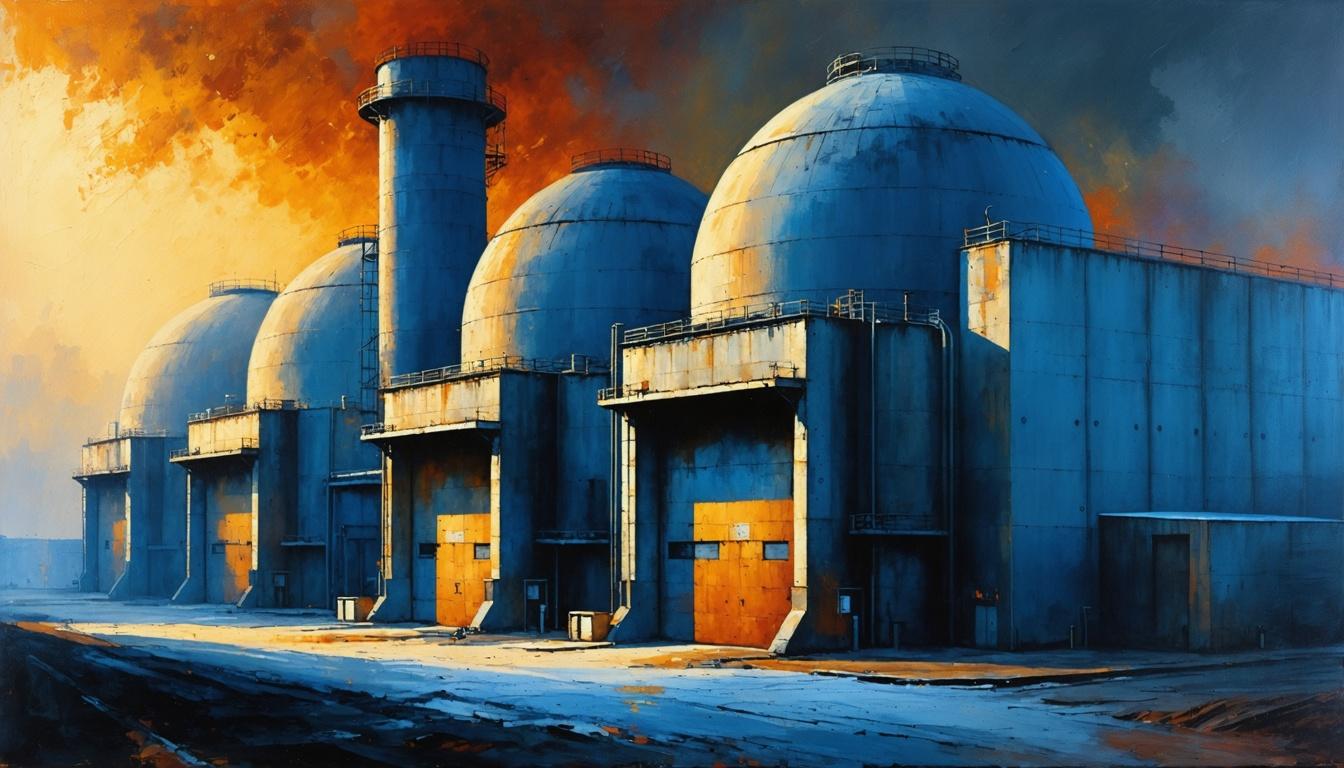

*this image is generated using AI for illustrative purposes only.
International Atomic Energy Agency (IAEA) Director General Rafael Mariano Grossi has confirmed that inspectors will visit Iran's nuclear enrichment sites, a key component of the interim deal between the U.S. and Iran aimed at ending the ongoing conflict. The announcement follows conflicting statements from both nations earlier this week, with Grossi dismissing the discrepancies as a "war of words" and emphasizing the existence of a Memorandum of Understanding (MoU) signed by both countries' presidents.
Agreement and Oversight
Grossi stated that the agreement explicitly mentions the IAEA's role in supervising all nuclear activities related to Iran's nuclear material facilities. "Obviously, to do that, we will have to inspect," Grossi said, adding that while the exact timing is not critical, the inspections are certain to take place. "Whether this happens the day after tomorrow or in one week or in 10 days, it’s important, but not essential. This is going to happen," he asserted.
Diplomatic Friction
The confirmation comes amid a public disagreement between U.S. and Iranian officials. U.S. Vice President JD Vance confirmed Iran's agreement to allow IAEA inspectors back into the country, calling it a "major milestone" following negotiations in Switzerland. Conversely, Iran's Parliament Speaker Mohammad Bagher Ghalibaf denied any new IAEA deal, and Foreign Minister Esmaeil Baqaei stated there are no plans to allow inspections of facilities damaged during the war, denying that officials had met with the IAEA chief. Former President Donald Trump also responded on Truth Social, accusing Iran of making false statements and asserting that Tehran had agreed to indefinite inspections.
Strategic Significance
The inspections are central to the deal, which requires Iran's uranium stockpile to be "downblended" from highly enriched levels. Since the 2025 Israel-Iran war, Tehran has blocked IAEA access to key uranium enrichment facilities, limiting the agency's ability to verify the status of its highly enriched uranium stockpile and monitor enrichment equipment. While inspectors have visited other sites like the Bushehr power plant, the lack of access to enrichment centers has raised concerns among nonproliferation experts that uranium could be relocated to undeclared locations.

How will the IAEA verify that uranium stockpiles have not been relocated to undeclared sites during the period of limited access?
What specific mechanisms will be used to enforce the downblending of highly enriched uranium if Iran continues to dispute the terms of the deal?
How will the U.S. respond if Iran refuses access to facilities damaged during the war despite the broader agreement?
 15
15





 Access 50+ Readymade Screeners
  Use 200+ Custom Filters
  Get Full Market Insights





