Hanke warns China’s rare-earth grip blocks tariffs before Xi visit

1 min read     Updated on 30 Jul 2026, 02:54 PM
scanx
Reviewed by
Shraddha JScanX News Team
AI Summary

Steve Hanke argues that China's near-monopoly on rare-earth refining gives it leverage over U.S. tariff policy before Xi Jinping's September visit. With China controlling 91% of refined production, the IEA warns of $6.5 trillion in exposed manufacturing value. U.S. domestic supply covers only a fraction of the 48,000 metric ton annual demand, complicating diversification efforts.

powered bylight_fuzz_icon
46949033

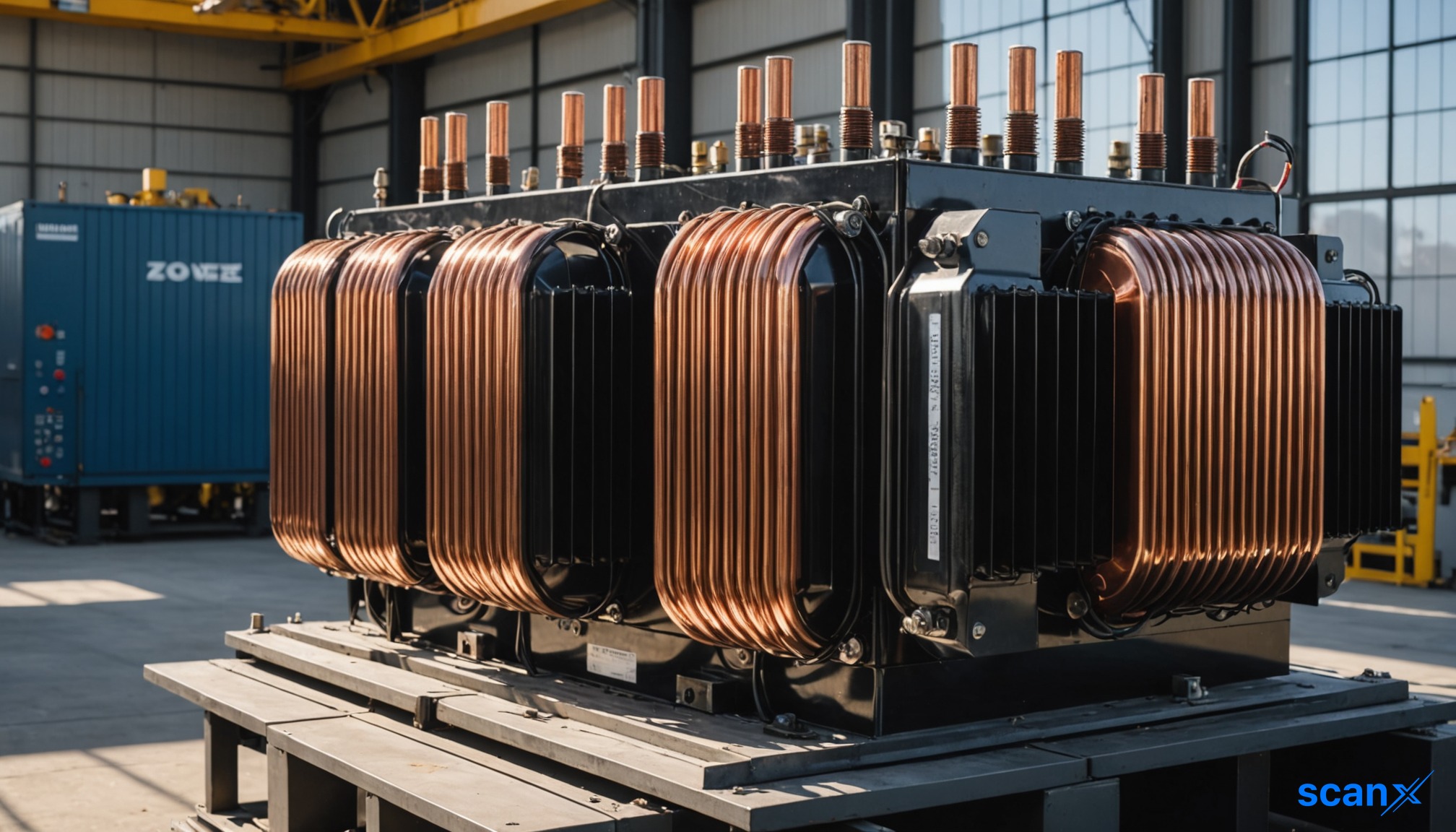
*this image is generated using AI for illustrative purposes only.

Economist Steve Hanke warns that China’s dominance in rare-earth processing and permanent magnet production will prevent President Donald Trump from imposing higher tariffs on China before President Xi Jinping’s scheduled visit to the United States in September. Hanke, a professor of applied economics at Johns Hopkins University, stated on X that "China knows its chokehold... will prevent Trump from imposing higher tariffs," adding that "CHINA = HOLDS ALL THE CARDS." This geopolitical stance follows a May summit in Beijing where Washington reported that China agreed to address U.S. concerns regarding shortages of critical minerals such as neodymium and yttrium.

Supply Chain Concentration

The leverage cited by Hanke stems from a highly concentrated global supply chain. According to the International Energy Agency (IEA), China accounted for 60% of mined magnet rare earths, 91% of refined production, and 94% of sintered permanent magnets in 2024. These materials are essential components for electric vehicles, electronics, and advanced weapons systems. The IEA recently warned that disruptions to Chinese exports could expose $6.5 trillion in annual manufacturing outside China to supply shocks, noting that small volumes of specialized materials can threaten entire automotive, energy, and defense production lines.

Metric China's Share (2024)
Mined magnet rare earths 60%
Refined production 91%
Sintered permanent magnets 94%

Export Controls and Domestic Gaps

Beijing imposed licensing requirements on several rare earths and magnets following Trump’s tariff increases in 2025. Although the White House described the May talks as progress, Reuters reported that China did not agree to dismantle its export-control system and continued restricting shipments of dysprosium and terbium. This restriction highlights the gap in U.S. domestic capacity; U.S. demand for the most common rare-earth magnet reached roughly 48,000 metric tons in 2025, while domestic sources supplied only about 300 tons.

Strategic Diversification Efforts

Analyst Chris Berry stated that eliminating Chinese supply by the Pentagon’s 2027 deadline is not feasible without significantly more processing capacity. Defense suppliers have pressed for additional time, while the Trump administration has supported domestic miners, magnet plants, and a $12 billion strategic stockpile. Washington has also proposed a critical-minerals trade bloc with allies to mitigate these dependencies. Despite these efforts, the immediate reliance on Chinese processing capabilities remains a central factor in trade negotiations ahead of the September meeting.

How might the proposed $12 billion strategic stockpile impact rare-earth market prices and investment incentives for domestic miners in the short term?

What specific regulatory or financial mechanisms could accelerate the construction of non-Chinese processing facilities to meet the Pentagon's 2027 deadline?

Could the formation of a critical-minerals trade bloc with allies effectively bypass China's export controls, or will it face similar geopolitical pushback?

like18
dislike

China demands US reverse robot ban, threatens retaliation

2 min read     Updated on 30 Jul 2026, 02:20 PM
scanx
Reviewed by
Shriram SScanX News Team
AI Summary

China has formally demanded the reversal of the US ban on humanoid robots, warning of retaliatory measures that could disrupt supply chains for Tesla and NVIDIA. The conflict underscores the tension between US decoupling efforts and the continued reliance of American tech firms on Chinese manufacturing and rare earth materials.

powered bylight_fuzz_icon
46932920

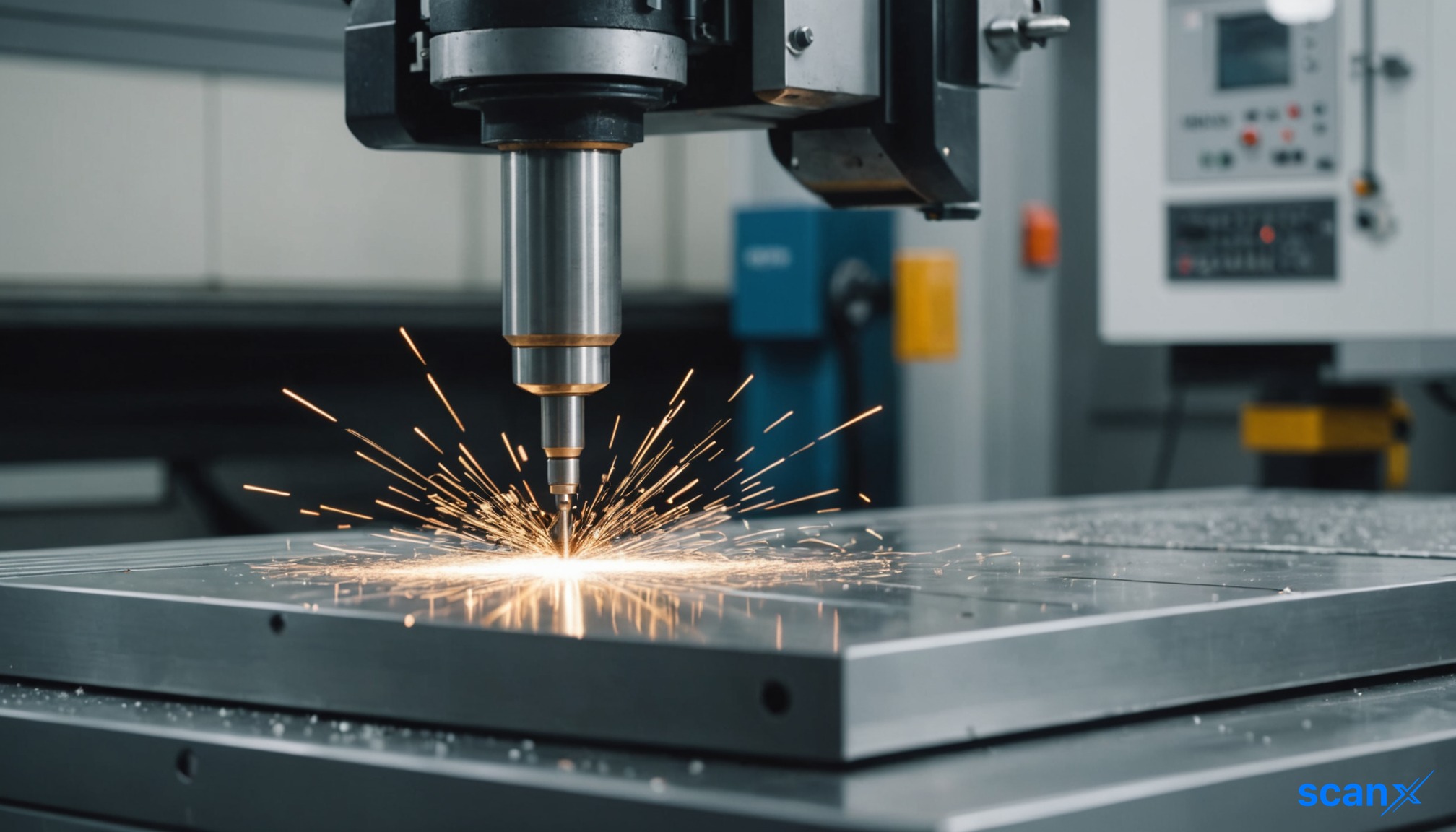
*this image is generated using AI for illustrative purposes only.

China’s Ministry of Commerce has formally demanded that the United States reverse its ban on foreign-made humanoid robots, warning of retaliatory measures to safeguard its legitimate rights and interests. The statement issued on Thursday escalates existing trade tensions, arguing that the Federal Communications Commission’s (FCC) restrictions severely damage bilateral economic cooperation. Beijing’s stance poses a direct risk to critical supply chains for major American technology firms, including Tesla Inc. (NASDAQ: TSLA) and NVIDIA Corp (NASDAQ: NVDA), which rely heavily on Chinese manufacturing infrastructure and rare earth materials.

The potential for retaliation centers on China’s dominance in rare earth processing. Marc Einstein of Counterpoint Research noted in a CNBC report that Beijing could restrict rare earth exports or limit market access for US firms. This poses a direct risk to Tesla’s humanoid robot ambitions, as the company has transitioned its Fremont, California facility to build the Optimus robot. Any disruption in rare earth supplies could hinder production goals, particularly as Tesla plans to scale up with up to 40 production lines due to the robot’s complex design.

Impact on Tesla’s Optimus Production

Tesla’s reliance on global supply chains makes it vulnerable to geopolitical friction. Lars Moravy, Tesla’s VP of Vehicle Engineering, previously indicated that the complexity of the Optimus design necessitates a significant manufacturing footprint. The shift at the Fremont facility marks a new phase in production, but it depends heavily on uninterrupted access to specialized materials.

Company Key Exposure Potential Risk
Tesla Inc. Rare earths for Optimus robots Production delays if exports restricted
NVIDIA Corp H200 AI chip shipments Market access limitations in China

Broader Trade Tensions

Tensions escalated further after Tesla CEO Elon Musk expressed doubts about the FCC’s move on social media platform X. Responding to a user who highlighted China’s role in manufacturing smartphones and Wi-Fi routers, Musk stated, “China makes half the goods of Earth.” This comment underscores the deep interdependence between US tech giants and Chinese manufacturing infrastructure.

The Chinese market remains vital for Tesla, which operates a Shanghai facility for both domestic sales and overseas exports. The Model Y SUV was the best-selling model across drivetrains in China during June and March this year, selling more than 38,000 and 39,000 units, respectively. Disruption in trade relations could jeopardize these sales volumes and export capabilities.

What the Numbers Show

The data reveals a stark dependency: while the US seeks to decouple from Chinese hardware through bans, key US firms like Tesla and NVIDIA continue to rely on Chinese markets and materials. NVIDIA recently began shipping its powerful H200 AI chips to China in limited numbers following US approval. Both Musk and NVIDIA CEO Jensen Huang accompanied Donald Trump on his visit to China, where bilateral trade ties were discussed. This juxtaposition highlights the challenge of enforcing strict technological decoupling while maintaining commercial access to the world’s largest consumer market and manufacturing hub.

How might Tesla accelerate its supply chain diversification for rare earth materials to mitigate the risk of Chinese export restrictions on Optimus production?

What specific retaliatory measures could China implement against NVIDIA’s H200 chip shipments, and how would that impact the company's revenue projections?

Could the escalating trade tensions prompt US lawmakers to reconsider or expand export controls on other critical technologies beyond humanoid robots?

like20
dislike