G7 Leaders Expected To Decide On Oil Reserves Release Soon With Key Meetings This Week

1 min read     Updated on 09 Mar 2026, 08:32 PM
scanx
Reviewed by
Anirudha BScanX News Team
AI Summary

The G7 nations are approaching a critical decision on emergency oil reserve releases with energy ministers meeting Tuesday and leaders convening later this week. While finance ministers have agreed not to release reserves immediately, emphasizing the need for proper timing and further analysis, the upcoming leadership meetings could result in coordinated energy policy responses to address global supply concerns.

powered bylight_fuzz_icon
34579414

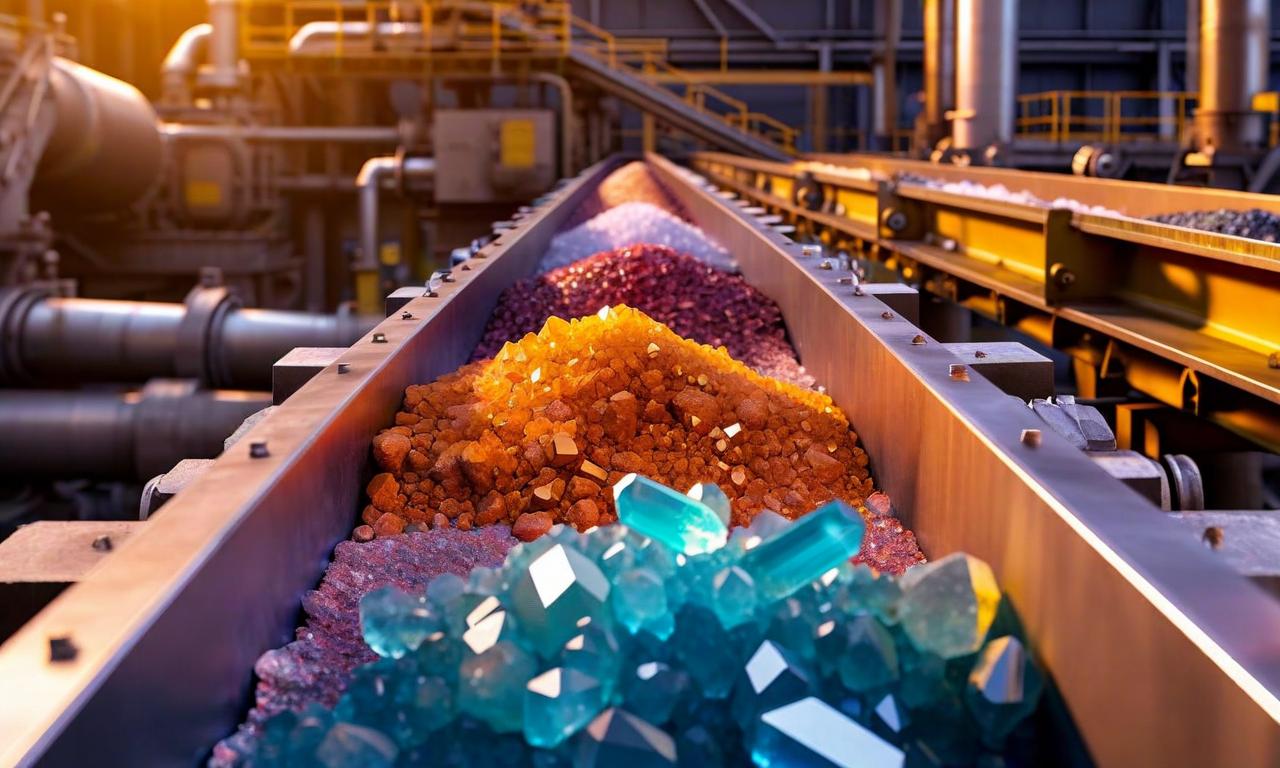
*this image is generated using AI for illustrative purposes only.

The Group of Seven (G-7) nations are approaching a critical decision point on emergency oil reserve releases, with key meetings scheduled this week that could determine coordinated energy policy responses. Recent developments indicate a structured approach to addressing global energy supply concerns through multilateral coordination.

Upcoming G7 Decision Timeline

G7 energy ministers are scheduled to confer on Tuesday, followed by a leaders' meeting later this week where final decisions on oil reserves release are expected. This structured timeline demonstrates the systematic approach being taken by the world's leading economies to address energy market conditions.

Meeting Schedule: Details
Energy Ministers Meeting: Tuesday
Leaders Meeting: Later This Week
Expected Decision: Oil Reserves Release
Current Status: Under Review

Finance Ministers' Current Position

G7 finance ministers have agreed not to release oil reserves for now, emphasizing that timing and further analysis are necessary before implementing such measures. This cautious stance reflects the complex considerations involved in coordinated emergency oil supply interventions.

Finance Ministers' Decision: Status
Current Release: Not Approved
Key Factors: Timing and Analysis
Approach: Cautious Assessment
Next Steps: Awaiting Leaders' Decision

Strategic Energy Policy Coordination

The G7's deliberative process highlights the complexity of multilateral energy policy coordination. The structured approach, involving both energy and finance ministers before final leadership decisions, ensures comprehensive evaluation of market conditions and potential impacts of reserve releases.

This week's meetings represent a pivotal moment for G7 energy policy coordination, with the potential for significant market implications depending on the final decisions reached by member nation leaders.

like20
dislike

G7 and Allied Nations Discuss Strategies to Reduce Chinese Rare Earth Dependence

2 min read     Updated on 13 Jan 2026, 03:19 PM
scanx
Reviewed by
Shraddha JScanX News Team
AI Summary

Finance ministers from G7 nations and allied countries met in Washington on January 12, 2025, to discuss reducing dependence on Chinese rare earth supplies. The meeting, led by US Treasury Secretary Scott Bessent, included representatives from Japan, Britain, France, Germany, Italy, Canada, Australia, Mexico, South Korea, and India. Participants agreed on implementing strategies including price floors, alternative partnerships, and various policy tools to diversify critical mineral supply chains, with China currently dominating 47-87% of global refining capacity while the allied nations represent 60% of global demand.

powered bylight_fuzz_icon
29843392

*this image is generated using AI for illustrative purposes only.

Finance ministers from the Group of Seven (G7) nations and other major economies gathered in Washington on January 12, 2025, to address the critical challenge of reducing dependence on Chinese rare earth elements. The high-level meeting, convened by US Treasury Secretary Scott Bessent, brought together representatives from multiple countries to explore strategic solutions for diversifying critical mineral supply chains.

Meeting Participants and Objectives

The Washington summit included finance ministers from all G7 member nations alongside officials from key allied countries. The comprehensive participation demonstrates the global scope of concerns regarding rare earth supply security.

Participant Category: Countries/Representatives
G7 Members: Japan, Britain, France, Germany, Italy, Canada, United States
Allied Nations: Australia, Mexico, South Korea, India
Additional Attendees: US Trade Representative Jamieson Greer, US Export-Import Bank, JP Morgan representatives

Treasury Secretary Bessent emphasized the meeting's focus on securing and diversifying supply chains for critical minerals, particularly rare earth elements. The US administration expressed optimism that participating countries would pursue "prudent de-risking over decoupling" from China, indicating a measured approach to reducing dependencies.

Strategic Policy Approaches

Japanese Finance Minister Satsuki Katayama reported broad agreement among participants on the urgent need to reduce Chinese rare earth reliance. She outlined comprehensive policy frameworks spanning multiple timeframes and approaches.

The proposed strategies encompass several key areas:

  • Market Standards: Creating markets based on labor conditions and human rights respect
  • Financial Support: Deploying public financial institutions and tax incentives
  • Trade Measures: Implementing tariff measures and quarantine protocols
  • Price Mechanisms: Establishing minimum price settings for market stability

Market Dynamics and Chinese Dominance

The participating countries and the European Union collectively represent 60.00% of global critical mineral demand, highlighting their significant market influence. However, China maintains substantial control over supply chain operations, refining between 47.00% and 87.00% of essential materials including copper, lithium, cobalt, graphite, and rare earths according to International Energy Agency data.

Material Category: Chinese Refining Share
Critical Minerals Range: 47.00% - 87.00%
Global Demand (Participants): 60.00%
Applications: Defense technologies, semiconductors, renewable energy, batteries

China's recent export restrictions have intensified concerns, particularly following last week's ban on military-related exports to Japan, including critical minerals with dual civilian and military applications.

European and Regional Perspectives

German Finance Minister Lars Klingbeil acknowledged that discussions included potential rare earth price floors and supply partnerships, while noting the preliminary nature of current talks. He emphasized that critical mineral supplies would remain central under France's G7 presidency this year.

Klingbeil stressed the importance of European self-reliance, stating that "neither complaining nor self-pity helps us, we have to become active." He highlighted the need for increased EU-level financing and pointed to Germany's new raw materials fund as an example of proactive measures.

South Korean Finance Minister Koo Yun-cheol advocated for strengthening global value chains based on comparative advantage, emphasizing recycling's importance for resilient supply chains. The meeting also featured requests from Canada and Australia for South Korean technology collaboration, indicating growing multilateral cooperation efforts.

Future Implications

The Washington meeting represents a significant step toward coordinated international action on critical mineral security. While no joint statement was issued, the broad agreement on reducing Chinese dependence and the comprehensive policy approaches discussed suggest sustained multilateral efforts ahead. The emphasis on recycling, alternative partnerships, and financial mechanisms indicates a multifaceted strategy for addressing supply chain vulnerabilities in essential materials critical to modern technology and defense applications.

like15
dislike