
 NewsFriends of Science Society Warns Net Zero Grid Risks Exposed by Wildfires, Challenges Canada's $1 Trillion Clean Energy Plan
Friends of Science Society Warns Net Zero Grid Risks Exposed by Wildfires, Challenges Canada's $1 Trillion Clean Energy Plan


Friends of Science Society has challenged Canada's $1 trillion net zero east-west power grid plan, citing wildfire-related outages in British Columbia—where dozens of poles, transmission lines, and transformers were reported down as of July 30, 2026—as evidence of grid vulnerability. The organisation disputes climate-wildfire linkages, referencing the IPCC's position that fire occurrence has not been attributed to human-caused climate change, and highlighting an arson suspect in Spokane who admitted to setting 25 fires. Concerns are also raised over the reliability of imported clean energy transmission lines, including the Champlain Hudson Power Express, which was reported down again by the New York Energy Alliance.


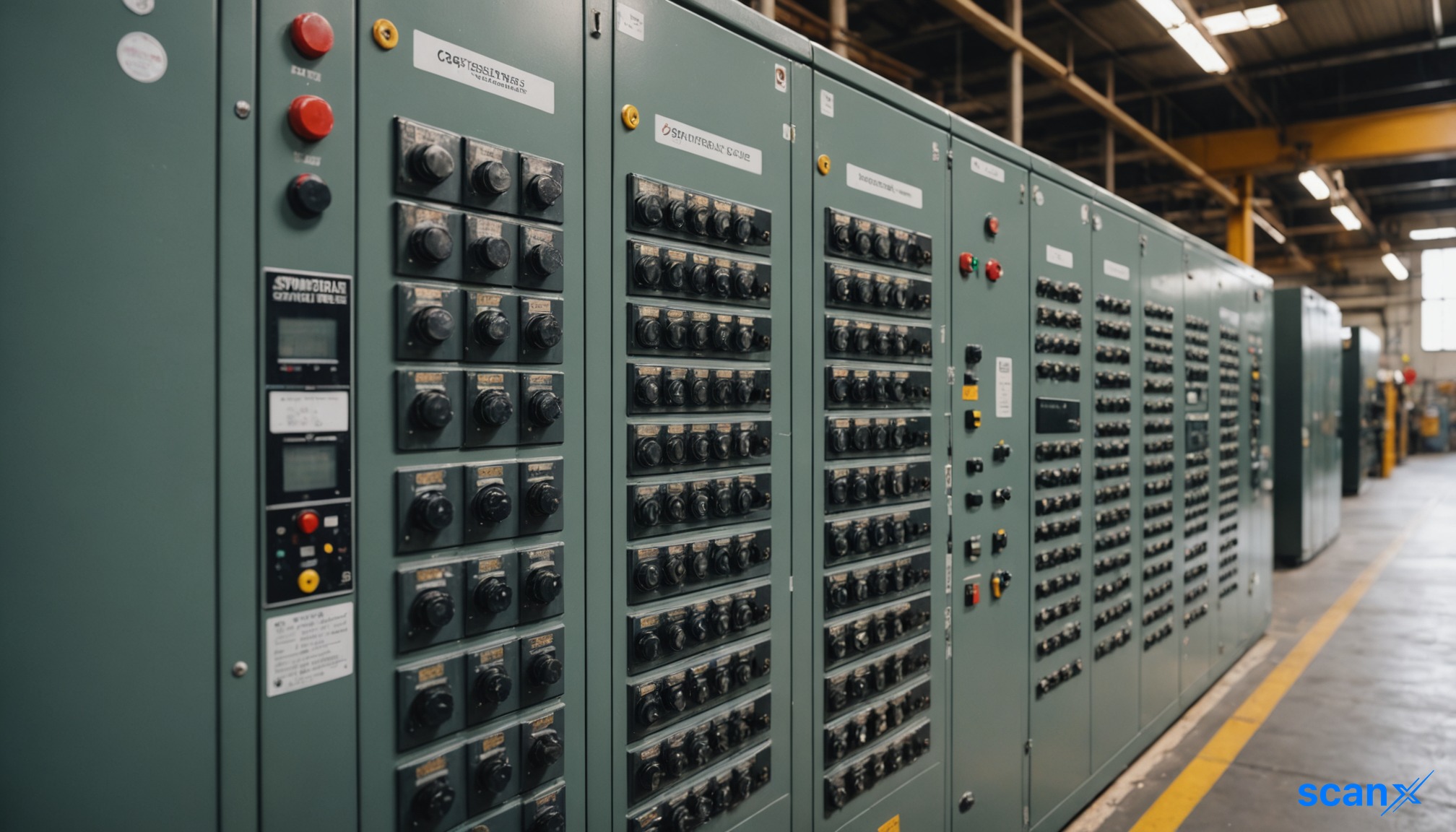
*this image is generated using AI for illustrative purposes only.
Friends of Science Society has challenged Canada's plan to spend $1 trillion on building out an east-west 'clean energy' power grid as part of its net zero climate strategy, arguing that while additional power generation capacity is needed, net zero should not serve as the rationale. The organization released a new video titled "Change Climate Change: Stop Net Zero Nonsense" to outline its position.
Wildfire Outages Highlight Grid Vulnerability
Footage of evacuees navigating downed power lines in British Columbia has been cited by Friends of Science Society as a demonstration of the risks associated with the "electrify everything" approach underpinning net zero targets. As reported by CBC on July 30, 2026, dozens of power poles, transmission lines, and transformers were down across large sections of British Columbia, with similar disruptions occurring at other wildfire locations. The organization argues that without conventional internal combustion engine (ICE) vehicles, people in a net zero electric vehicle world would be stranded during such emergencies.
British Columbia has seen devastating wildfires fanned by high winds rip through lakeside communities. According to an Aug. 05, 2026, CBC report, 85 of these fires are said to have been started by lightning.
Disputed Links Between Wildfires and Climate Change
Friends of Science Society contends that climate activists and politicians have wrongly exploited wildfire tragedies by conflating wildfire events with human-caused climate change. The organization references the Intergovernmental Panel on Climate Change (IPCC), as explained by Roger Pielke, Jr., which states: "The IPCC has not detected or attributed fire occurrence or area burned to human-caused climate change."
The organization also highlighted criticism by meteorologist Chris Martz of an Associated Press report on a World Weather Attribution (WWA) study. Martz drew attention to AP's own acknowledgment that "The study, which was done so quickly it has not been peer reviewed yet…" He further noted that attribution reporting was not established for scientific reasons, but for the purpose of litigation against corporations and industries, particularly fossil fuels, as reported in E&E on April 16, 2021.
Regarding the Spokane wildfires, the Hot Shot Wake Up Substack—dedicated to wildfire coverage—reported that an arrested arson suspect admitted to setting 25 fires. Separately, on July 14, 2026, The Independent reported that dozens of suspected arsonists had been arrested in France. Roger Pielke, Jr.'s analysis of wildfires in France further argues that emissions reduction is not a control knob to stop wildfires.
Net Zero Power Grid Concerns
Canadian physicist William van Wijngaarden, in a presentation for the International Climate Science Coalition, has argued there is no human-made climate crisis and therefore no need for net zero targets, warning that such goals will cause serious damage to society.
Friends of Science Society has engaged with the federal government's "Powering Canada Strong" report through a series of three short YouTube videos featuring retired professional engineer Randy Stubbings, who has 45 years of experience on the Alberta power grid. The Canadian Climate Institute, described as a largely government-funded pro-clean energy organisation, pitches a combination of wind, solar, and batteries in its report "Power Play." Friends of Science Society maintains that these combinations alone cannot fulfill society's need for affordable and reliable power, referencing Stubbings' October 2024 presentation "Net Zero and the Future Power Grid."
The following key developments and sources referenced by Friends of Science Society illustrate their concerns:
| Reference: | Details |
|---|---|
| Canada Net Zero Grid Plan: | $1 trillion east-west 'clean energy' power grid |
| BC Power Outage Report: | CBC, July 30, 2026 — dozens of poles, lines, transformers down |
| BC Wildfire Lightning Fires: | 85 fires started by lightning (CBC, Aug. 05, 2026) |
| Spokane Arson Suspect: | Admitted to setting 25 fires (Hot Shot Wake Up Substack) |
| France Arson Arrests: | Dozens of suspected arsonists arrested (The Independent, July 14, 2026) |
| Stubbings' Presentation: | "Net Zero and the Future Power Grid," October 2024 |
| WWA Study Criticism: | Study not peer-reviewed at time of AP reporting |
Transmission Line Reliability and Imported Power Risks
The New York Energy Alliance reported that the new Champlain Hudson Power Express (CHPE) line from Quebec to New York was down again, despite being part of the Hudson Valley climate plan. A similar issue occurred with the New England Clean Energy Connect hydro line from Quebec during the past winter, when domestic demand spiked during a severe storm. Friends of Science Society notes that Quebec has transitioned to electricity for home heating, and highlights what it describes as the blackout risks of relying on imported power for peak demand—an inherent problem, it says, in Canada's east-west power grid concept.
The American Enterprise Institute has also posted what it describes as the impossible scale of the net zero and decarbonization challenge, now available on a country-by-country dashboard.
Friends of Science Society is an independent group of earth, atmospheric, and solar scientists, engineers, and citizens, celebrating its 24th year of offering climate science insights. The organisation has concluded that the sun is the main driver of climate change, not carbon dioxide (CO2).

How might the Friends of Science Society's challenge influence the timeline or funding allocation for Canada's $1 trillion east-west clean energy grid project?
What specific regulatory changes could Canadian provinces implement to address grid vulnerability during wildfire seasons without abandoning electrification goals?
How will the reliability issues of cross-border transmission lines like CHPE impact future investment decisions for imported renewable energy in North America?
 18
18





 Access 50+ Readymade Screeners
  Use 200+ Custom Filters
  Get Full Market Insights





