European Union Releases Pricing Framework for Chinese Electric Vehicle Imports


The European Union introduced a pricing framework allowing Chinese electric vehicle manufacturers to avoid import tariffs through minimum price mechanisms. The European Commission's guidance requires submissions detailing minimum import prices, sales channels, and EU investments. China's Chamber of Commerce welcomed this as a positive development that will boost market confidence and provide stability for Chinese manufacturers operating in Europe.
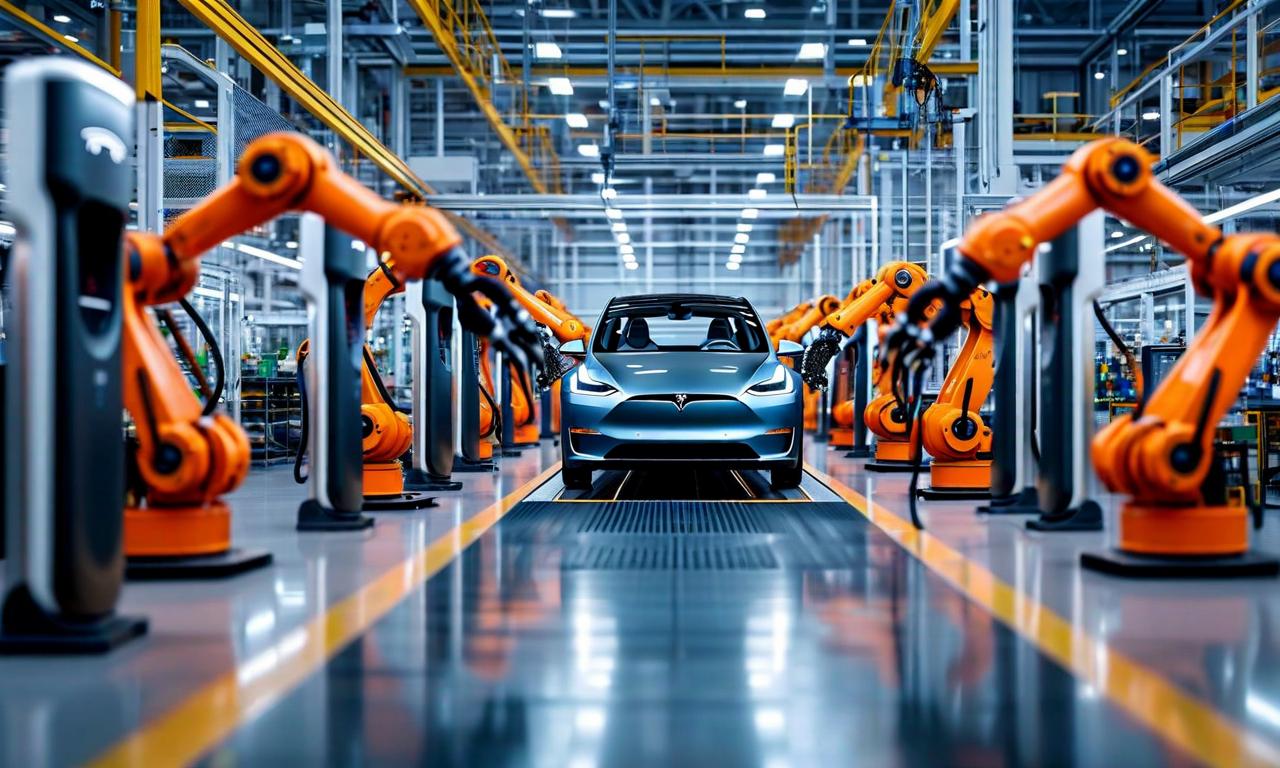

*this image is generated using AI for illustrative purposes only.
The European Union has unveiled a new pricing framework that offers Chinese electric vehicle manufacturers an alternative to hefty import tariffs through a minimum price mechanism. This development marks a significant shift in the ongoing trade dispute between the EU and China over electric vehicle imports.
Commission Releases Pricing Guidelines
The European Commission published comprehensive guidance on Monday for Chinese exporters of battery electric vehicles regarding the submission of price undertaking offers. The framework establishes specific requirements that submissions must meet to qualify for the alternative pricing mechanism.
| Requirement Category: | Details |
|---|---|
| Adequacy Standard: | Must eliminate injurious effects of subsidies |
| Equivalency: | Must provide equivalent effect to duties |
| Pricing Details: | Minimum import price specifications |
| Distribution: | Sales channels information |
| Financial Structure: | Cross-compensation mechanisms |
| Investment Commitment: | Future investments in the EU |
Industry Response and Market Impact
China's Chamber of Commerce to the EU responded positively to the announcement, describing the move as enabling a "soft landing" in the EV tariff case. The organization emphasized several expected benefits from this framework:
- Enhanced market confidence for Chinese manufacturers
- More stable operating environment in Europe
- Increased predictability for suppliers and stakeholders
- Reduced trade tension between the regions
The Chamber of Commerce shared its assessment through a post on X, highlighting the framework's potential to provide greater stability for Chinese manufacturers and suppliers operating in the European market.
Background of Trade Dispute
The European Union had previously imposed substantial tariffs on electric vehicles imported from China in 2024 following an extensive investigation. The investigation concluded that Chinese manufacturers gained unfair competitive advantages through subsidies received from their home government. This protectionist measure was designed to shield Europe's domestic automotive brands from what the EU considered unfair competition.
Beijing responded to these tariffs with retaliatory measures targeting specific European sectors, including dairy products, pork, and brandy imports. This escalation highlighted the broader implications of the trade dispute beyond the automotive sector.
Diplomatic Resolution
China's Ministry of Commerce confirmed on Monday that both Beijing and Brussels had engaged in multiple rounds of negotiations to address the trade dispute. The ministry stated that both parties agreed on the necessity for the EU to provide clear guidance to Chinese EV exporters, leading to the current framework's development.
This diplomatic approach represents a collaborative effort to resolve trade tensions while maintaining competitive market conditions. The agreement demonstrates both regions' commitment to finding mutually beneficial solutions that support their respective economic interests while promoting fair trade practices in the electric vehicle sector.
 18
18