

EU and India Reaffirm Commitment to Conclude Free Trade Agreement by Year-End


The European Union and India have recommitted to finalizing their Free Trade Agreement (FTA) negotiations by the end of the current year. This agreement aims to enhance bilateral trade relations, potentially boosting trade volumes, increasing investment flows, and deepening economic integration between the two regions. The FTA could significantly impact global trade dynamics, given the economic importance of both parties. However, negotiators face challenges in balancing diverse economic interests, addressing regulatory differences, and resolving sensitive issues like intellectual property rights and market access.

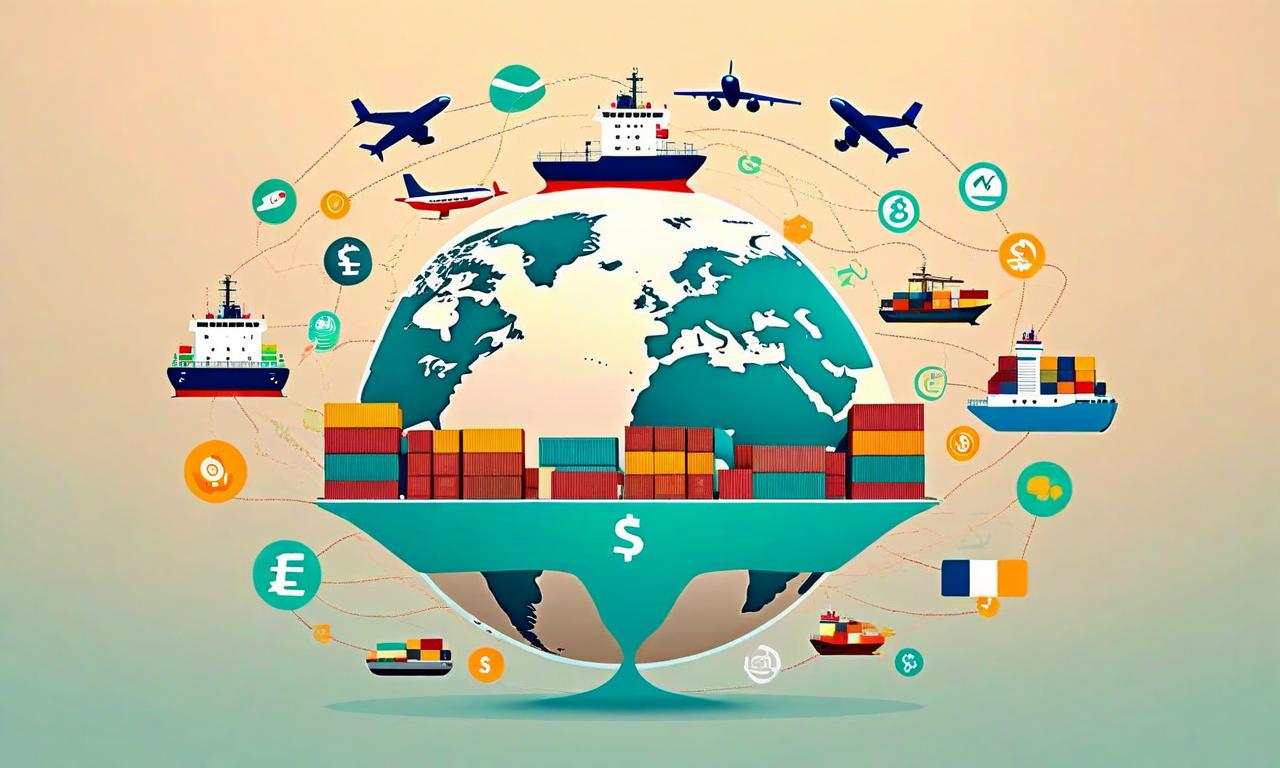

*this image is generated using AI for illustrative purposes only.
The European Union and India have recently reconfirmed their mutual commitment to conclude negotiations on their Free Trade Agreement (FTA) by the end of the current year. This development marks a significant step in strengthening bilateral trade relations between these two major economic regions.
Key Points of the EU-India FTA Negotiations
| Aspect | Details |
|---|---|
| Parties Involved | European Union and India |
| Agreement Type | Free Trade Agreement (FTA) |
| Target Completion | End of current year |
| Potential Impact | Affects bilateral trade relations and future commerce |
Implications of the FTA
The successful conclusion of this Free Trade Agreement could have far-reaching implications for both parties:
Enhanced Bilateral Trade: The FTA is expected to boost trade volumes between the EU and India, potentially opening up new markets for businesses on both sides.
Investment Flows: The agreement could lead to increased investment flows between the two regions, as companies seek to capitalize on new opportunities created by the FTA.
Economic Integration: A comprehensive FTA would signify deeper economic integration between the EU and India, potentially leading to closer cooperation in various sectors.
Global Trade Dynamics: The agreement could influence global trade patterns, given the significant economic weight of both the EU and India in the world economy.
Challenges and Considerations
While the reaffirmation of commitment is a positive sign, it's important to note that FTA negotiations are complex and can face various hurdles:
- Balancing interests across diverse economic sectors
- Addressing regulatory differences and standards
- Negotiating sensitive issues such as intellectual property rights and market access
As negotiations progress, both parties will need to navigate these challenges to reach a mutually beneficial agreement within the targeted timeframe.
The commitment to conclude negotiations by year-end demonstrates the political will on both sides to strengthen economic ties. However, the actual implementation and impact of the FTA will depend on the final terms agreed upon and the ratification process that follows.
Stakeholders in both regions will be closely watching the developments in the coming months as the EU and India work towards finalizing this significant trade agreement.
 18
18





 Access 50+ Readymade Screeners
  Use 200+ Custom Filters
  Get Full Market Insights





