

Dubai retains top spot for FDI in cultural and creative industries


- Dubai ranked first globally for new FDI projects in cultural and creative industries in 2025
- Greenfield FDI capital inflows reached $3.756 billion across 754 new projects
- India was the largest source of capital at 19%, while the UK led in project volume at 21.5%
- The sector generated 19,304 jobs, with Dubai ranking first globally for job creation

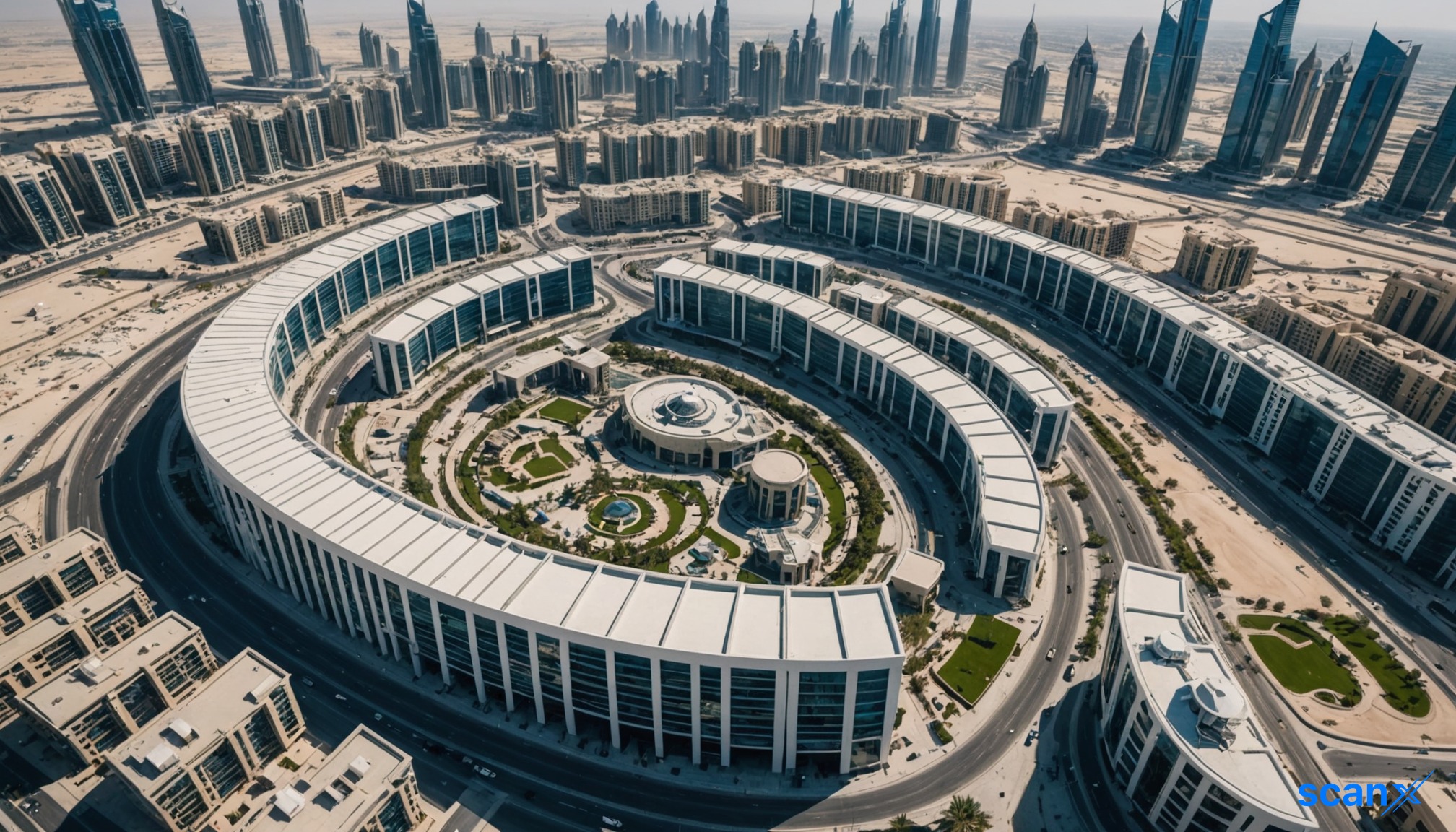

*this image is generated using AI for illustrative purposes only.
Dubai Culture and Arts Authority announced that Dubai retained its position as the world’s leading destination for new foreign direct investment (FDI) projects in the cultural and creative industries (CCIs) in 2025. The emirate ranked first globally for the fourth consecutive year, topping a list of 233 cities compiled by the Financial Times’ fDi Markets.
Investment inflows and job creation
In 2025, Dubai attracted 754 new projects in the sector, with greenfield FDI capital inflows reaching $3.756 billion. These investments generated 19,304 jobs, reinforcing the emirate’s status as a hub for creative businesses and talent. Based on the Financial Times’ definition of creative industries, Dubai ranked first globally for both project numbers and job creation, and second for greenfield FDI capital inflows.
The growth was broad-based, spanning advertising, specialised computer programming, data processing, film, media, gaming, AI-powered creative technologies, creative education, professional services, design, architecture, crafts, performing arts, and museums.
Source countries for capital and projects
India emerged as the largest source of greenfield FDI capital inflows into Dubai’s cultural and creative industries, accounting for 19% of the total. The United States followed at 17.5%, China at 13%, Malaysia at 12%, and the United Kingdom at 9%.
By project numbers, the distribution differed slightly, with the United Kingdom leading the count.
| Country | Capital Inflow Share | Project Number Share |
|---|---|---|
| India | 19% | 21% |
| United States | 17.5% | 14% |
| China | 13% | Not disclosed |
| Malaysia | 12% | Not disclosed |
| United Kingdom | 9% | 21.5% |
| France | Not disclosed | 4% |
What the numbers show
A divergence exists between capital concentration and project volume among key investors. While India provided the largest share of capital at 19%, the United Kingdom led in project volume with a 21.5% share, surpassing India’s 21%. This suggests that UK entities may be deploying slightly smaller average ticket sizes per project compared to Indian investors, or that the nature of UK investments involves a higher frequency of smaller-scale ventures within the creative ecosystem.
Strategic drivers
The authority attributed this performance to an investment environment offering full foreign ownership, efficient business setup, specialised creative clusters, long-term residency pathways, and advanced digital infrastructure. These factors align with the Dubai Economic Agenda D33 and the Dubai Creative Economy Strategy, which aim to strengthen the emirate’s position as a global destination for creative industry investment.

How might the divergence between India's capital dominance and the UK's project volume influence Dubai's future sector-specific investment incentives?
What impact will the continued rise of AI-powered creative technologies have on the composition of FDI inflows in 2026?
How are competing global hubs like Riyadh or Singapore adjusting their creative economy strategies to challenge Dubai's four-year leadership streak?
 16
16





 Access 50+ Readymade Screeners
  Use 200+ Custom Filters
  Get Full Market Insights





