Berkshire Hathaway's Silver Investment: A $13 Billion Missed Opportunity


Berkshire Hathaway's 1997 purchase of 129.7 million ounces of silver, sold within a decade, would now be worth $13 billion with silver at $100 per ounce. The investment exemplifies Buffett's pattern of smart calls followed by early exits, similar to recent Apple and bank stock sales. Silver has tripled in the past year with a 40% gain in 2026, driven by supply deficits that mirror the conditions Buffett identified in the 1990s.
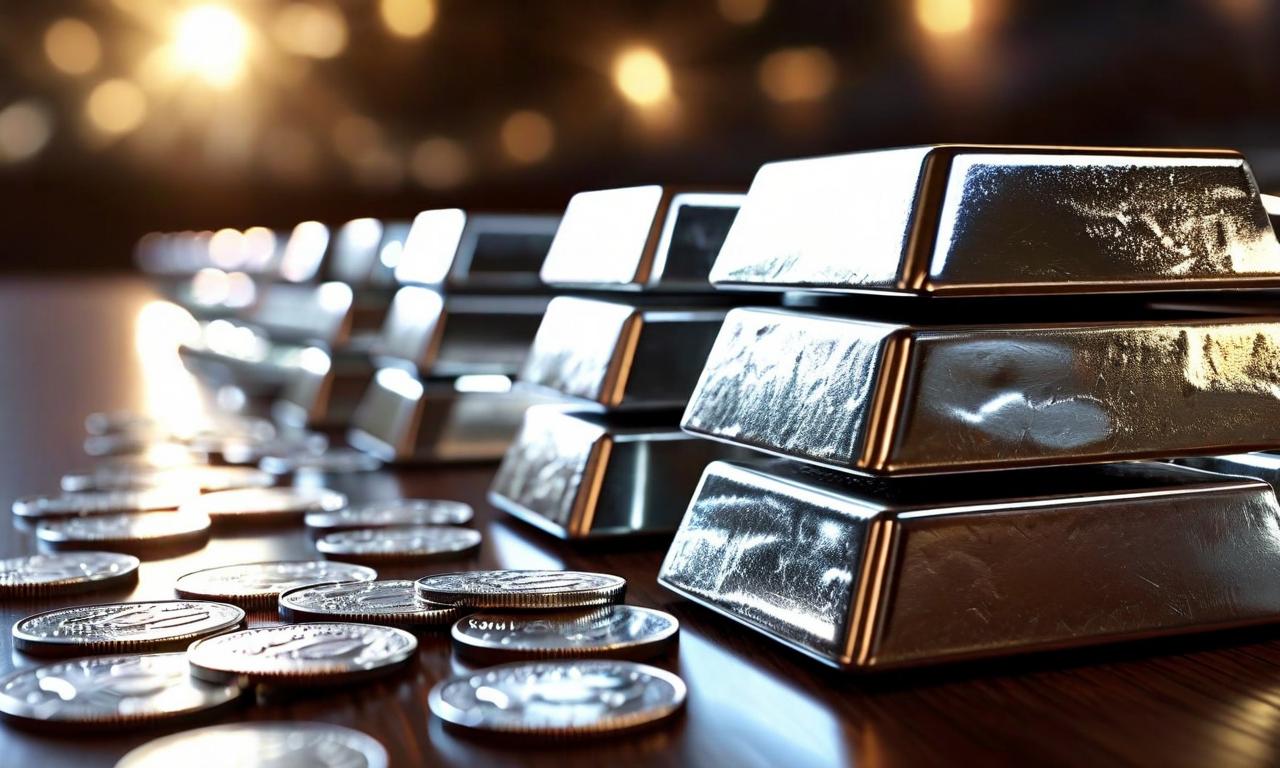

*this image is generated using AI for illustrative purposes only.
Warren Buffett's Berkshire Hathaway once held a massive silver position that would be worth billions today, highlighting one of the legendary investor's rare cases of selling too early. The company purchased 129.7 million ounces of silver in 1997 but sold the entire position within a decade at an unspecified profit.
The Scale of the Missed Opportunity
With silver currently trading at $100 an ounce, Berkshire's former silver holding would now be valued at approximately $13 billion. The precious metal has experienced remarkable price appreciation, tripling over the past year and posting a 40% gain in 2026 alone.
| Investment Details: | Value |
|---|---|
| Silver Holdings: | 129.7 million ounces |
| Purchase Year: | 1997 |
| Current Silver Price: | $100 per ounce |
| Current Value: | ~$13 billion |
| 2026 Gain: | 40% |
Buffett's Silver Strategy and Market Impact
Buffett had followed the silver market for decades before making the 1997 purchase. In February 1998, Berkshire announced it had accumulated the 129.7 million ounces over a six-month period, representing approximately 25% of annual mined supply at the time. The company stated it had no intention of purchasing additional silver.
The massive acquisition attracted significant attention from both the silver market and regulators, who expressed concern that Buffett might be attempting to replicate the Hunt brothers' strategy from the 1970s. The Hunt brothers had successfully driven silver prices to $50 an ounce before the market collapsed.
Historical Context and Investment Philosophy
Buffett's interest in silver dated back to the early 1960s, when the U.S. government effectively set the silver price at around $1.29 an ounce. This was the value of silver in pre-1965 U.S. coins, including dimes, quarters, and half dollars, which contained 90% silver. A quarter from that era contained roughly 0.18 ounce of silver.
Buffett recognized that the government was artificially suppressing silver prices while releasing government stockpiles to meet strong industrial demand. His analysis proved correct when silver was demonetized in 1965 and prices subsequently rose.
Supply-Demand Fundamentals
The investment rationale for Berkshire's 1997 silver purchase mirrors current market conditions. As stated in the company's 1998 press release: "widely-published reports have shown that bullion inventories have fallen very materially, because of an excess of user-demand over mine production and reclamation."
| Supply-Demand Comparison: | 1997 | 2025 |
|---|---|---|
| Supply Deficit: | ~150 million ounces | >100 million ounces |
| Annual Mine Production: | Not specified | ~1 billion ounces |
The Silver Institute has estimated a 2025 silver supply deficit of more than 100 million ounces, compared to the deficit of about 150 million ounces in 1997.
Pattern of Early Exits
The silver investment represents part of a broader pattern where Buffett makes astute investment decisions but exits positions prematurely. Similar examples include selling most of Berkshire's Apple stake in 2024 and 2025, and disposing of bank stocks in 2020 and 2021 at prices below current levels.
Reflecting on the silver investment at Berkshire's 2006 annual meeting, Buffett acknowledged: "I bought it very early. I sold it very early. Other than that, everything I did was perfect. I was the silver king there for a while. We did make a few dollars on it. But we're not good at the game of, when it gets into the speculative area, figuring out how far a speculative boom will go."
 15
15