

Intel stock rises 7.78% as AI growth narrative trumps capex


Intel Corp stock rose 7.78% to $98.08 as AI data-center demand narratives overshadowed concerns over a raised $20 billion capital spending plan for 2026. While the stock remains in a strong long-term uptrend with a 366.67% gain over the past year, it trades below key short-term moving averages. Analysts maintain a Hold consensus with an average price target of $109.07, citing upcoming earnings on October 22, 2026, as the next major catalyst.



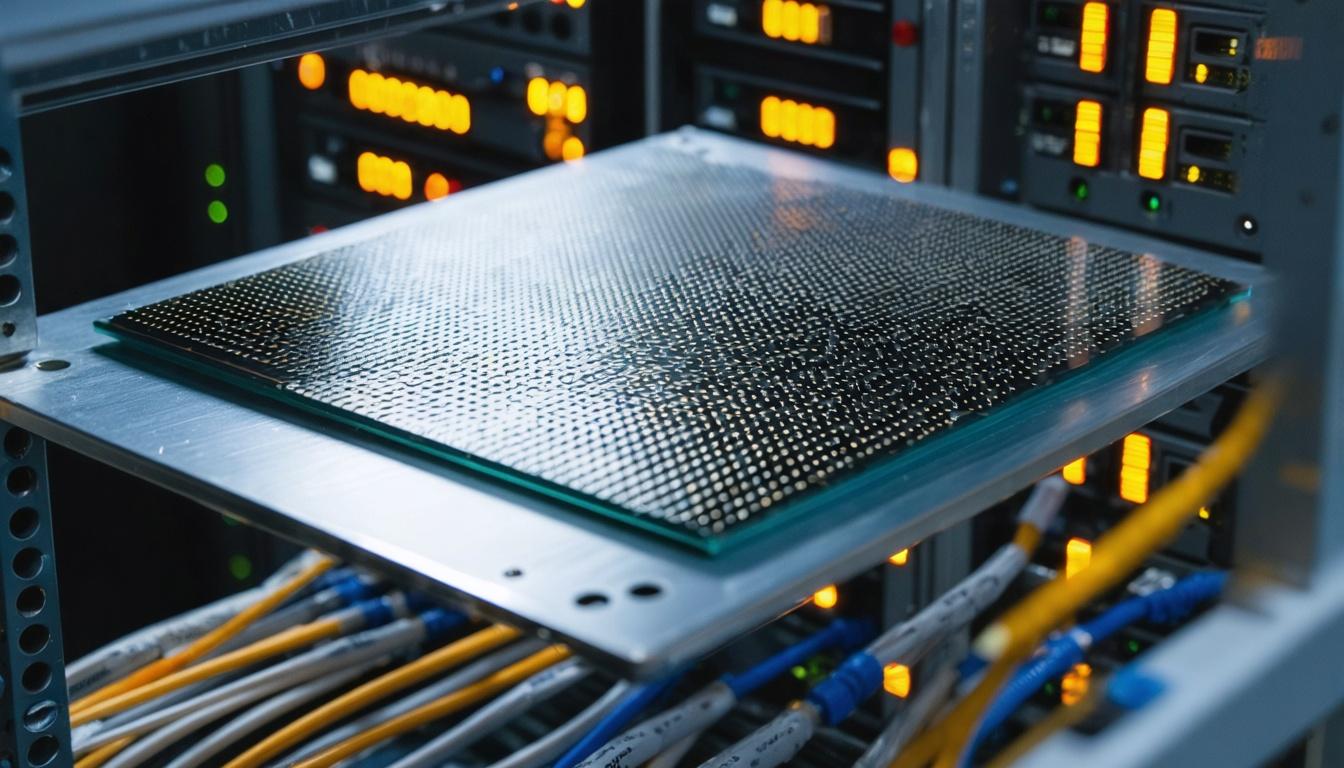
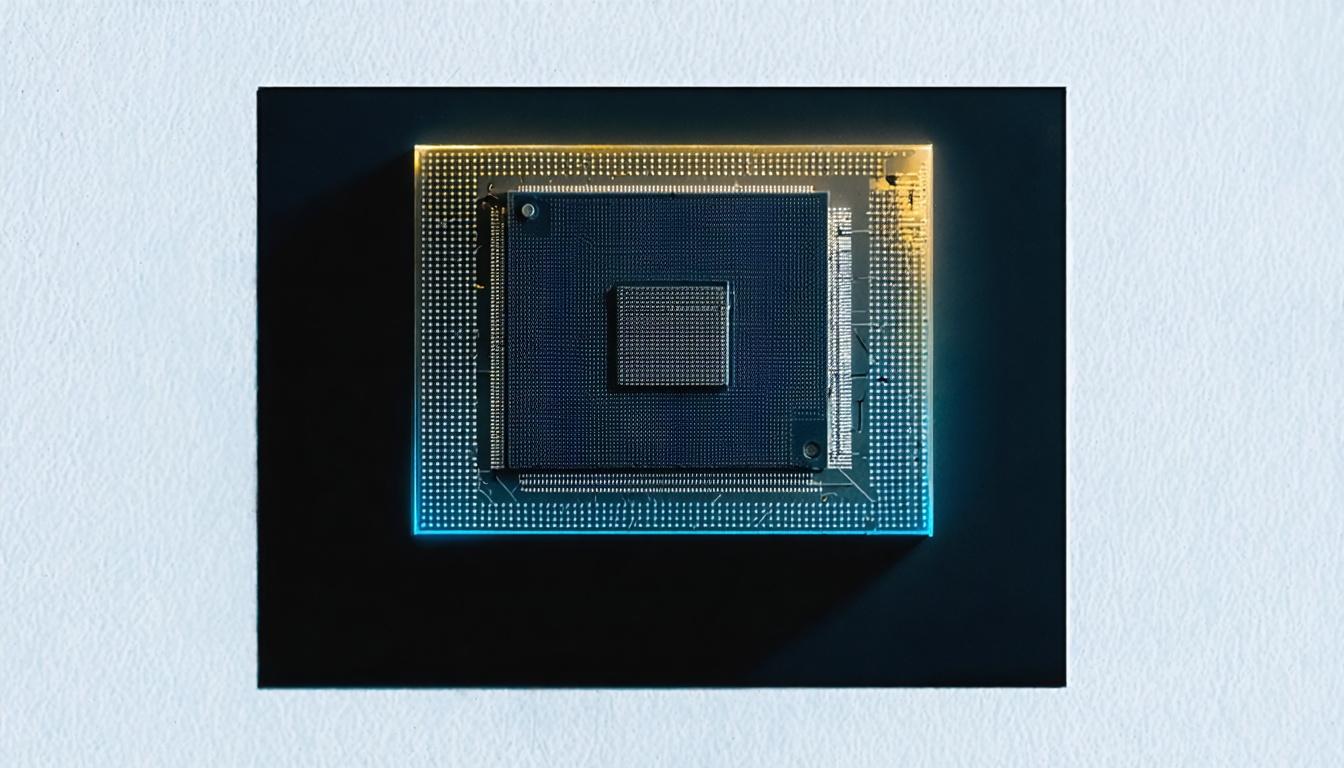
*this image is generated using AI for illustrative purposes only.
Intel Corp (NASDAQ: INTC) shares surged 7.78% to $98.08 in early Tuesday trading as the market rallied on an AI-driven growth narrative that currently outweighs concerns regarding the company’s heavy capital spending plans. The move coincided with a broader market uptick, with S&P 500 futures rising 0.3%, reflecting investor confidence in Intel’s ability to capitalize on surging AI data-center demand despite its expanded financial commitments.
The primary catalyst for the positive sentiment is Intel’s strategic pivot toward artificial intelligence infrastructure. In its most recent update, the company identified AI data-center demand as a key growth driver and consequently raised its 2026 capital spending plan to $20 billion from the previously projected $18 billion. This increase underscores management’s commitment to scaling its foundry and chip design capabilities to meet future enterprise needs, even as it faces scrutiny over elevated valuation expectations and profit-taking risks following a sharp run-up in share price.
Technical Positioning
Despite the recent intraday gains, Intel’s technical structure presents a mixed picture for traders. The stock remains in a longer-term uptrend, having appreciated 366.67% over the past 12 months. It is currently trading 42.2% above its 200-day Simple Moving Average (SMA) of $67.31, indicating a constructive big-picture trend. However, near-term momentum appears to be repairing; the stock trades 3.3% below its 20-day SMA ($98.94) and 14.8% below its 50-day SMA ($112.25), suggesting short-term consolidation after previous rallies.
Analyst Outlook and Estimates
Looking ahead, the next significant catalyst for the stock is the estimated earnings report scheduled for October 22, 2026. Analysts project modest year-over-year growth, with earnings per share (EPS) expected to rise to 24 cents from 23 cents, and revenue forecasted at $15.01 billion, up from $13.65 billion.
The consensus rating among 50 analysts remains Hold, with an average price target of $109.07. The range of forecasts is wide, with high estimates at $160.00 and low estimates at $60.00. Recent analyst actions include:
| Analyst Firm | Rating | Price Target | Date |
|---|---|---|---|
| B of A Securities | Buy | $160.00 | July 28 |
| Baird | Neutral | $125.00 | July 27 |
| DA Davidson | Neutral | $100.00 | July 24 |
ETF Exposure and Market Impact
Intel’s performance is closely tied to major exchange-traded funds due to its significant weighting within these portfolios. Any substantial inflows or outflows from these funds could trigger automatic buying or selling pressure on INTC shares. Key exposures include:
- iShares Semiconductor ETF (SOXX): 6.11% weight
- Pacer Data and Digital Revolution ETF (TRFK): 7.85% weight
- Essential 40 Stock ETF (ESN): 5.81% weight
What the Numbers Show
The divergence between Intel’s long-term momentum and near-term technical resistance highlights a market in transition. While the 366.67% annual gain demonstrates strong historical performance, the current trade below both the 20-day and 50-day SMAs suggests that investors are cautious about immediate upside potential. The decision to increase capital expenditure by $2 billion to $20 billion for 2026 indicates that management is willing to sacrifice near-term margin efficiency to secure long-term AI market share, a strategy that analysts are still evaluating against the backdrop of a Hold consensus rating.

How might Intel's increased $20 billion capital expenditure plan impact its free cash flow and dividend sustainability in the near term?
What specific milestones must Intel's foundry business achieve by the October 2026 earnings report to justify the current valuation premium over competitors?
Could significant outflows from high-weight ETFs like SOXX or TRFK trigger a technical breakdown below key support levels despite the positive AI narrative?
 19
19











 Access 50+ Readymade Screeners
  Use 200+ Custom Filters
  Get Full Market Insights





