

Intel Q4 Results: Stock surges 12% on AI demand signals


Intel shares climbed 12.10% to $91.79 following Microsoft's Q4 revenue of $90.01 billion and Azure's 43% growth. Samsung's warning of chip shortages until 2028 further bolstered investor confidence in the long-term AI hardware demand cycle.


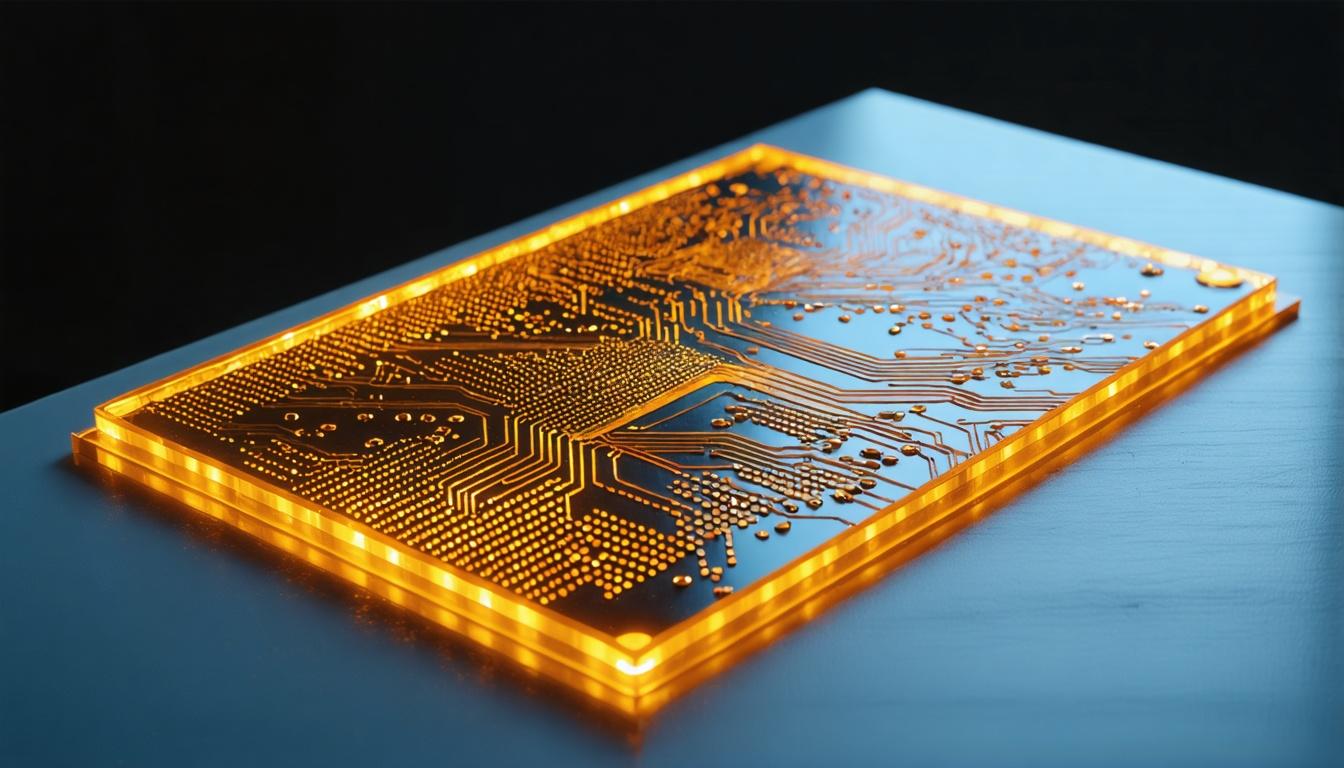
*this image is generated using AI for illustrative purposes only.
Intel Corp (NASDAQ: INTC) shares surged 12.10% to $91.79 on Thursday, driven by robust demand signals from key industry peers rather than its own immediate filing. The rally validates the semiconductor sector's exposure to artificial intelligence infrastructure spending, with Microsoft Corp’s record-breaking cloud performance and Samsung Electronics Co’s extended supply constraint warning providing a durable multi-year demand framework for chipmakers.
Microsoft’s fourth-quarter report served as the primary catalyst, shattering analyst expectations with total revenue of $90.01 billion, an 18% year-over-year increase that exceeded consensus estimates by more than $2 billion. Earnings per share reached $4.74, well above the $4.24 forecast. This performance underscores the accelerating pace of enterprise adoption for AI-enabled services.
Microsoft Cloud Metrics
| Metric | Value | Change/Note |
|---|---|---|
| Total Revenue | $90.01 billion | +18% YoY |
| EPS | $4.74 | vs $4.24 consensus |
| Intelligent Cloud Revenue | $39.3 billion | +32% YoY |
| Azure Growth | 43% | Crossed $100 billion annual run rate |
| Copilot Paid Seats | >30 million | Rapid user acquisition |
Azure and other cloud services expanded by 43%, pushing total intelligent cloud revenue to $39.3 billion, a 32% gain. Notably, Azure crossed the $100 billion annual revenue threshold for the first time in the company’s history. Additionally, Microsoft 365 Copilot demonstrated strong traction, adding paid seats at a pace that pushed total users beyond 30 million.
Samsung Supply Constraints
Samsung Electronics Co provided a secondary but critical signal for the supply chain. The company recorded a second-quarter operating profit of 89.5 trillion KRW, surpassing the 88.13 trillion KRW consensus to set an all-time record. Revenue also hit a record high at 171.5 trillion KRW, though it fell slightly short of the 172.65 trillion KRW estimate.
The memory division drove this outperformance, fueled by relentless demand for server DRAM and High Bandwidth Memory (HBM) products essential for AI infrastructure. Despite accelerated production efforts, supply constraints persist. Samsung indicated that these conditions are not expected to ease quickly, flagging 2028 as the horizon before market normalization. This projection alleviates near-term oversupply fears and supports sustained pricing power across the industry.
What the Numbers Show
The convergence of Microsoft’s demand-side explosion and Samsung’s supply-side constraints creates a favorable environment for Intel. While Intel faces its own operational challenges, the macro data suggests that the underlying demand for AI hardware is not cyclical but structural. The fact that Azure has surpassed $100 billion in annual revenue while facing supply bottlenecks in critical memory components indicates that capacity constraints will likely remain a binding factor for several years, benefiting established players with foundry capabilities.

How will Intel's foundry strategy adapt to capitalize on the multi-year supply constraints projected by Samsung through 2028?
Will the rapid adoption of Microsoft 365 Copilot drive specific architectural demands that favor Intel's current chip designs over competitors?
Could the sustained pricing power in HBM and server DRAM markets trigger a consolidation wave among smaller semiconductor manufacturers?
 17
17








 Access Market Heat-map & Insights
  Create, Save & Share your Screener
  Use 200+ Screening Filters





