

Intel stock surges 4.28% as AI spending optimism lifts semiconductor sector


Intel Corp. shares gained 4.28% in premarket trading to $95.03, driven by renewed optimism in AI infrastructure spending from Microsoft, Alphabet, and Amazon. While short-term technical indicators show weakness relative to 20-day and 50-day moving averages, the stock remains significantly above its 200-day SMA, preserving its long-term uptrend. Analysts maintain a consensus Hold rating with an average price target of $109.07, though Bank of America Securities raised its target to $160.



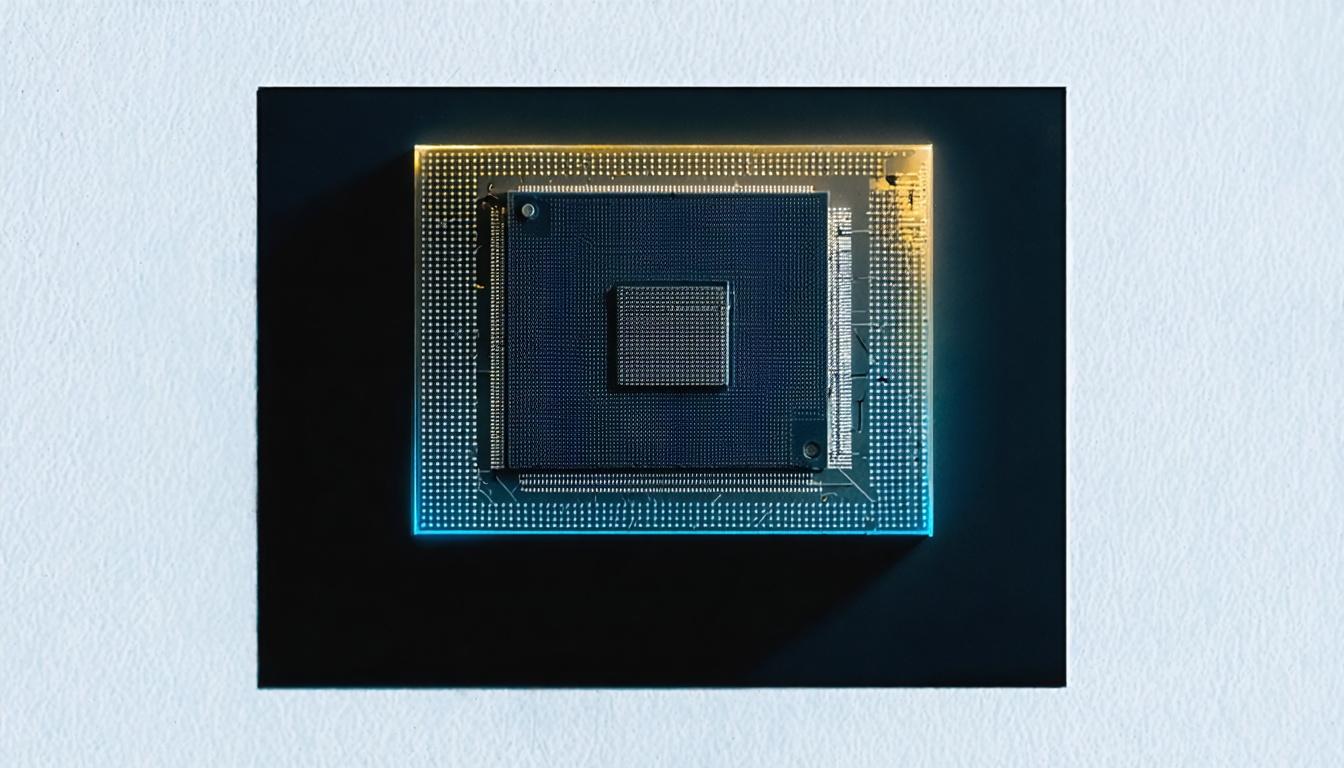
*this image is generated using AI for illustrative purposes only.
Intel Corp. (NASDAQ: INTC) shares rose 4.28% to $95.03 in Friday’s premarket trading, reflecting broader strength in technology stocks and renewed optimism surrounding artificial intelligence infrastructure spending. The rally follows a pullback in July that pushed the stock closer to key long-term support levels, with buyers returning as major cloud providers reinforced expectations for sustained AI investment. This positive sentiment lifted Nasdaq futures by 1.04% and S&P 500 futures by 0.28%, signaling a recovery in risk appetite across the market.
The upward momentum was bolstered by updates from leading technology firms. Microsoft Corp. (NASDAQ: MSFT) and Alphabet Inc. (NASDAQ: GOOGL) reaffirmed their robust capital expenditure plans, while Amazon.com Inc.’s (NASDAQ: AMZN) Amazon Web Services reported reaching a $25 billion annual revenue run rate from services powered by its custom AI chips. These developments collectively boosted sentiment across AI-related chipmakers, providing a tailwind for Intel despite the absence of company-specific announcements.
Technical Analysis
Despite the recent gains, Intel’s short-term momentum indicators show mixed signals. The stock trades 6.4% below its 20-day simple moving average (SMA) and 15.7% below its 50-day SMA, indicating near-term weakness. However, it remains 3.8% above its 100-day SMA and 43% above its 200-day SMA, suggesting the longer-term bullish trend established after the golden cross in August 2025 is still intact.
| Metric | Value | Status |
|---|---|---|
| Premarket Gain | 4.28% | Positive |
| Price | $95.03 | Pre-market |
| Distance from 20-day SMA | -6.4% | Below |
| Distance from 50-day SMA | -15.7% | Below |
| Distance from 200-day SMA | +43% | Above |
| Key Support Level | $89.50 | Watched closely |
Momentum indicators have softened, with the MACD remaining below its signal line and a negative histogram, indicating faded buying pressure. Traders are closely watching the $89.50 support level, which buyers defended during July’s sell-off, to determine if the recent low can serve as a base for a sustained recovery.
Analyst Outlook
Intel carries a consensus Hold rating with an average price forecast of $109.07. Recent analyst actions reflect varying degrees of optimism regarding the company’s execution in the AI-driven semiconductor cycle:
- Bank of America Securities maintained a Buy rating and raised its price forecast to $160 on July 28.
- Baird raised its price forecast to $125 while maintaining a Neutral rating on July 27.
- D.A. Davidson raised its price forecast to $100 and maintained a Neutral rating on July 24.
ETF Exposure
Intel remains a significant holding in several semiconductor-focused exchange-traded funds, which can influence trading volume through inflows or outflows:
- VanEck Semiconductor ETF (NASDAQ: SMH): 7.36% weighting
- Invesco PHLX Semiconductor ETF (NASDAQ: SOXQ): 6.64% weighting
- Invesco AI and Next Gen Software ETF (NYSE: IGPT): 7.25% weighting
What the Numbers Show
While Intel has surged 360.25% over the past 12 months, the divergence between its strong long-term performance and current short-term technical weakness highlights a period of consolidation. The fact that the stock remains well above its 200-day SMA despite being below shorter-term averages suggests that institutional investors may view the July pullback as a buying opportunity rather than a trend reversal, particularly given the reaffirmed capex commitments from major AI infrastructure players.

How might Intel's reliance on broader AI infrastructure sentiment, rather than company-specific catalysts, impact its stock volatility in the coming quarters?
Will the defense of the $89.50 support level be sufficient to reverse the negative MACD histogram and restore short-term bullish momentum?
Given the divergence between short-term technical weakness and long-term trend strength, are institutional investors likely to increase positions during this consolidation phase?
 17
17













 Create Custom Screeners
  Access 200+ Pre-built Filters
  Use 50+ Readymade Screener





