

Ola Electric Q3 FY26: Record 34.3% Gross Margin Amid Strategic Structural Reset


Ola Electric delivered Q3 FY26 results showing record gross margin expansion to 34.3% amid strategic operational restructuring. Despite revenue decline to ₹470 crores and delivery volumes dropping to 32,680 units, the company achieved significant margin improvements and cost optimization. The Gigafactory scaled to commercial production with 72,418 cells produced, while the company submitted its earnings conference call recording to stock exchanges for regulatory compliance.

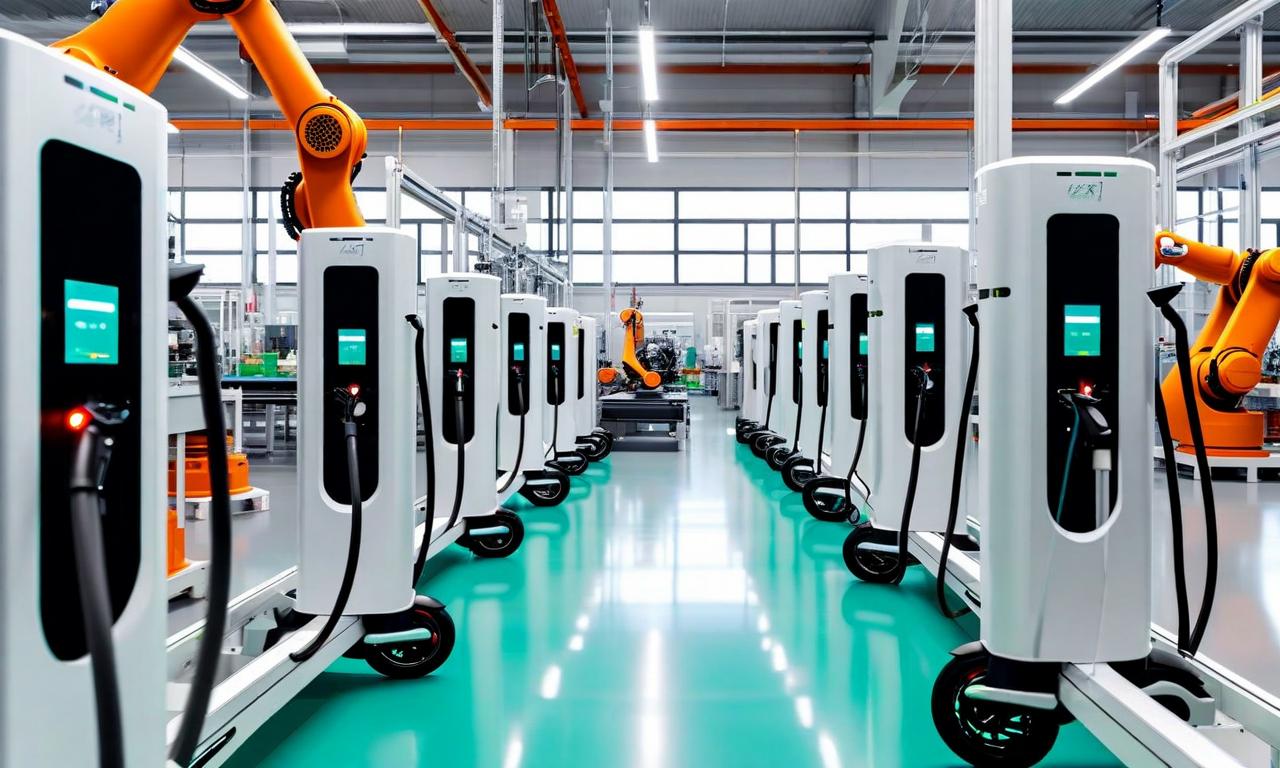

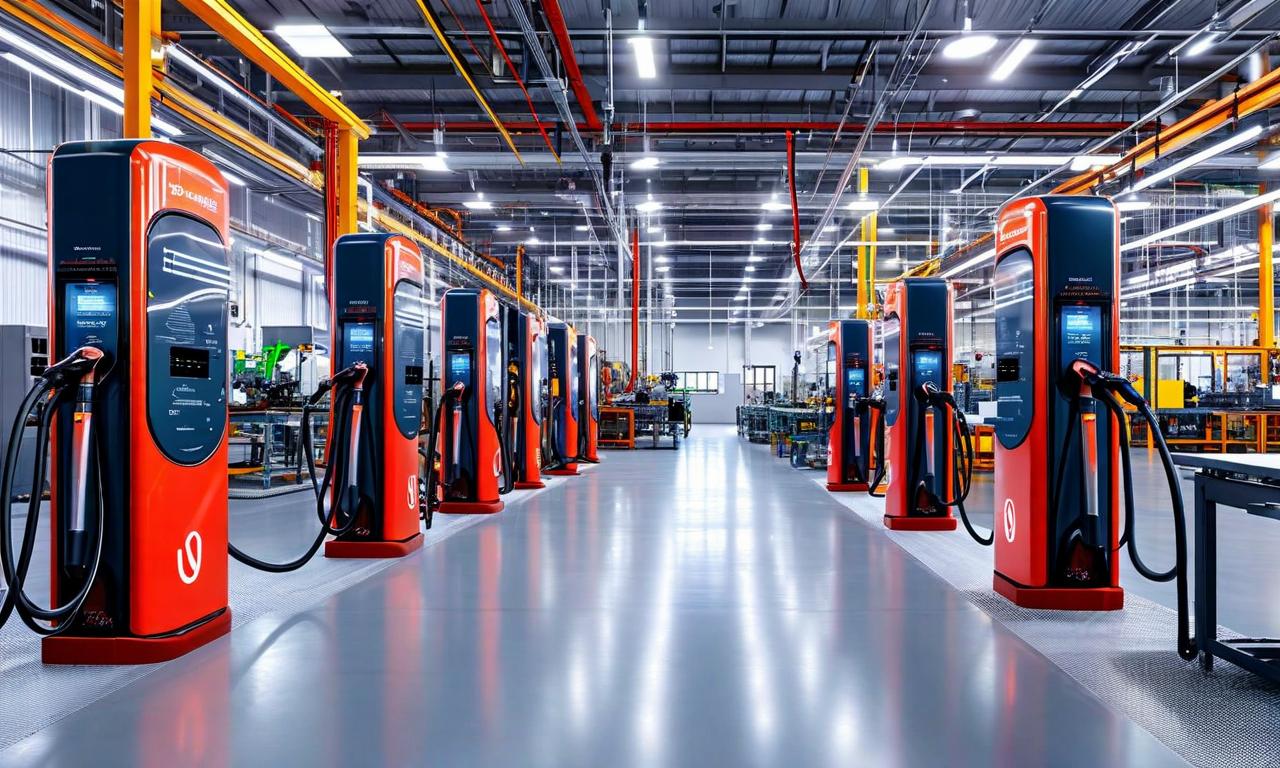
*this image is generated using AI for illustrative purposes only.
Ola Electric Mobility Limited announced its Q3 FY26 results for the quarter ended December 31, 2025, through an official press release dated February 13, 2026, submitted to NSE and BSE under Regulation 33. The company delivered a record consolidated gross margin of 34.3% while executing a comprehensive structural reset focused on sustainable profitability over volume growth.
Financial Performance Reflects Strategic Transformation
The company's consolidated financial results demonstrated the impact of its strategic realignment, with significant margin expansion offsetting revenue decline. The quarter marked a deliberate shift toward operational efficiency and sustainable unit economics.
| Financial Metric: | Q3 FY26 | Q3 FY25 | YoY Change |
|---|---|---|---|
| Consolidated Revenue: | ₹470 Cr | ₹1,045 Cr | -55.0% |
| Gross Margin: | ₹161 Cr | ₹194 Cr | -17.0% |
| Gross Margin %: | 34.3% | 18.6% | +15.7 pp |
| Operating EBITDA: | (₹271) Cr | (₹460) Cr | 41.1% improvement |
| Net Loss (PAT): | (₹487) Cr | (₹564) Cr | 13.7% improvement |
The record gross margin of 34.3% expanded 15.7 percentage points year-on-year and 3.4 percentage points quarter-on-quarter, driven by vertical integration benefits, Gen 3 platform economics, and PLI certification achievements. Management expects this margin leadership position to strengthen further as the company scales operations.
Delivery Volumes Show Strategic Realignment Impact
Vehicle deliveries reflected the company's strategic reset priorities, with total deliveries of 32,680 units in Q3 FY26 compared to 84,029 units in Q3 FY25. The decline was part of the planned operational restructuring to achieve sustainable profitability.
| Delivery Segment: | Q3 FY26 | Q3 FY25 | YoY Change |
|---|---|---|---|
| Premium Vehicles: | 6,065 | 29,283 | -79.3% |
| Mass Market Vehicles: | 26,612 | 54,746 | -51.4% |
| Total Deliveries: | 32,680 | 84,029 | -61.1% |
| Average Selling Price: | ₹143k | ₹124k | +15.3% |
Despite lower volumes, the company maintained pricing discipline with average selling prices improving 15.3% year-on-year, supporting the overall margin expansion strategy.
Gigafactory Achieves Commercial Scale Production
The cell manufacturing division reached significant operational milestones, transitioning from pilot to commercial scale production. Cell production doubled quarter-on-quarter, marking the successful deployment of in-house 4680 Bharat cells into customer vehicles.
| Cell Manufacturing Metrics: | Q3 FY26 | Q2 FY26 | QoQ Change |
|---|---|---|---|
| Cells Produced: | 72,418 | 38,080 | +90.2% |
| Cell Revenue: | ₹9 Cr | ₹4 Cr | +125% |
| Cell Gross Margin %: | 42.3% | 50.0% | -7.7 pp |
| Operating EBITDA: | (₹47) Cr | (₹50) Cr | 6% improvement |
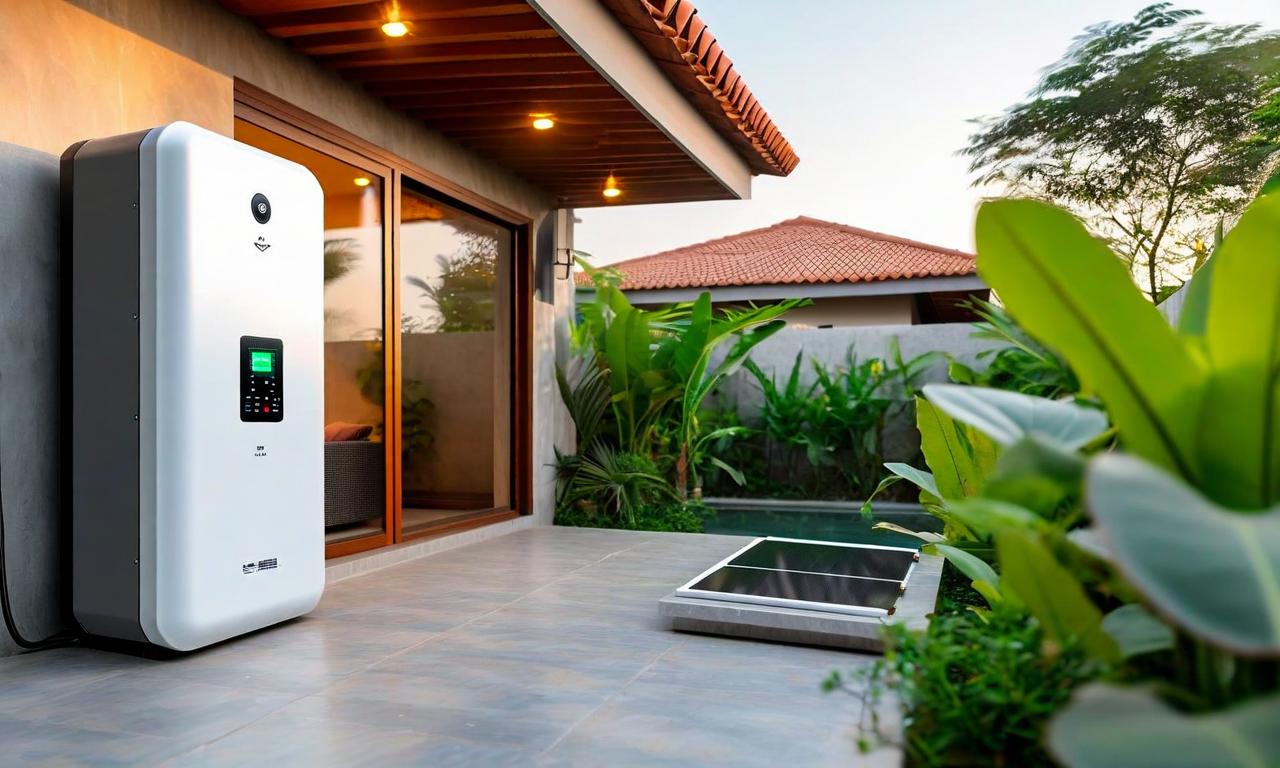
The Gigafactory currently operates at approximately 2.5 GWh installed capacity, with planned scale-up to 6 GWh by March 2026. The facility launched Ola Shakti, the company's first residential Battery Energy Storage System powered directly by Gigafactory output.
Earnings Conference Call Recording Available
Following the Q3 FY26 results announcement, Ola Electric submitted the audio recording of its earnings conference call with analysts and investors to NSE and BSE under Regulation 30 of SEBI Listing Regulations. The conference call, held on February 13, 2026, discussed the unaudited standalone and consolidated financial results for the third quarter and nine months ended December 31, 2025.
| Conference Call Details: | Information |
|---|---|
| Date: | February 13, 2026 |
| Submission Date: | February 14, 2026 |
| Recording Link: | Company website |
| Regulation: | SEBI Regulation 30 |
The audio recording has been made available on the company's website for stakeholder access, ensuring transparency in financial communication and regulatory compliance.
Structural Cost Reset Lowers Breakeven Threshold
Ola Electric implemented comprehensive operational restructuring, significantly reducing its cost base while preserving competitive advantages. The company reduced quarterly operating expenses from ₹840 crores at peak to ₹484 crores in Q3 FY26.
| Operating Transformation: | Target | Impact |
|---|---|---|
| Quarterly Opex Target: | ₹250-300 Cr | 65% reduction from peak |
| Monthly EBITDA Breakeven: | 15,000 units | Significantly lower threshold |
| Volume Scaling Capacity: | 3-4x current levels | Minimal incremental fixed cost |
| Store Network: | 700 stores | Optimized retail footprint |
The restructuring focused on store and service network optimization, AI-led automation, and manufacturing efficiency improvements. Approximately 85-90% of consolidated operating expenses remain fixed, providing strong operating leverage as volumes recover.
Strategic Positioning for Market Recovery
Management outlined the company's positioning for the next growth phase, leveraging its ₹5,300 crore investment in manufacturing infrastructure and R&D capabilities. The structural advantages create a foundation for sustainable market leadership.
| Strategic Assets: | Capacity/Potential |
|---|---|
| Manufacturing Capacity: | 1 million vehicles annually |
| Cell Production Capacity: | 6 GWh by March 2026 |
| Revenue Potential: | ₹15,000-20,000 crore over next few years |
| Customer Base: | 11 lakh customers (largest in Indian EV) |
| Technology Platform: | Gen 3 architecture with 50% cost advantage |
The company's vertically integrated model and technology platform deliver approximately 50% structural advantage on range-indexed-to-product-cost basis versus competition, with the transition to 4680 platform expected to enhance this advantage further.
Historical Stock Returns for Ola Electric Mobility
| 1 Day | 5 Days | 1 Month | 6 Months | 1 Year | 5 Years |
|---|---|---|---|---|---|
| +2.02% | +1.42% | -5.39% | -4.71% | -28.76% | -60.02% |
 17
17









 Create Custom Screeners
  Access 200+ Pre-built Filters
  Use 50+ Readymade Screener





