

ZF Commercial Vehicle Control Systems India FY26 results: profit up 12% to ₹517 crore


- Revenue grew 9.2% YoY to ₹4,302 crore, driven by a 17.6% rise in OEM sales
- Net profit increased 12.1% to ₹517 crore with margins expanding to 12.0%
- Exports fell 11.2% to ₹1,025 crore while service income surged 19.4%
- Company launched electric air compressor and expanded aftermarket product range

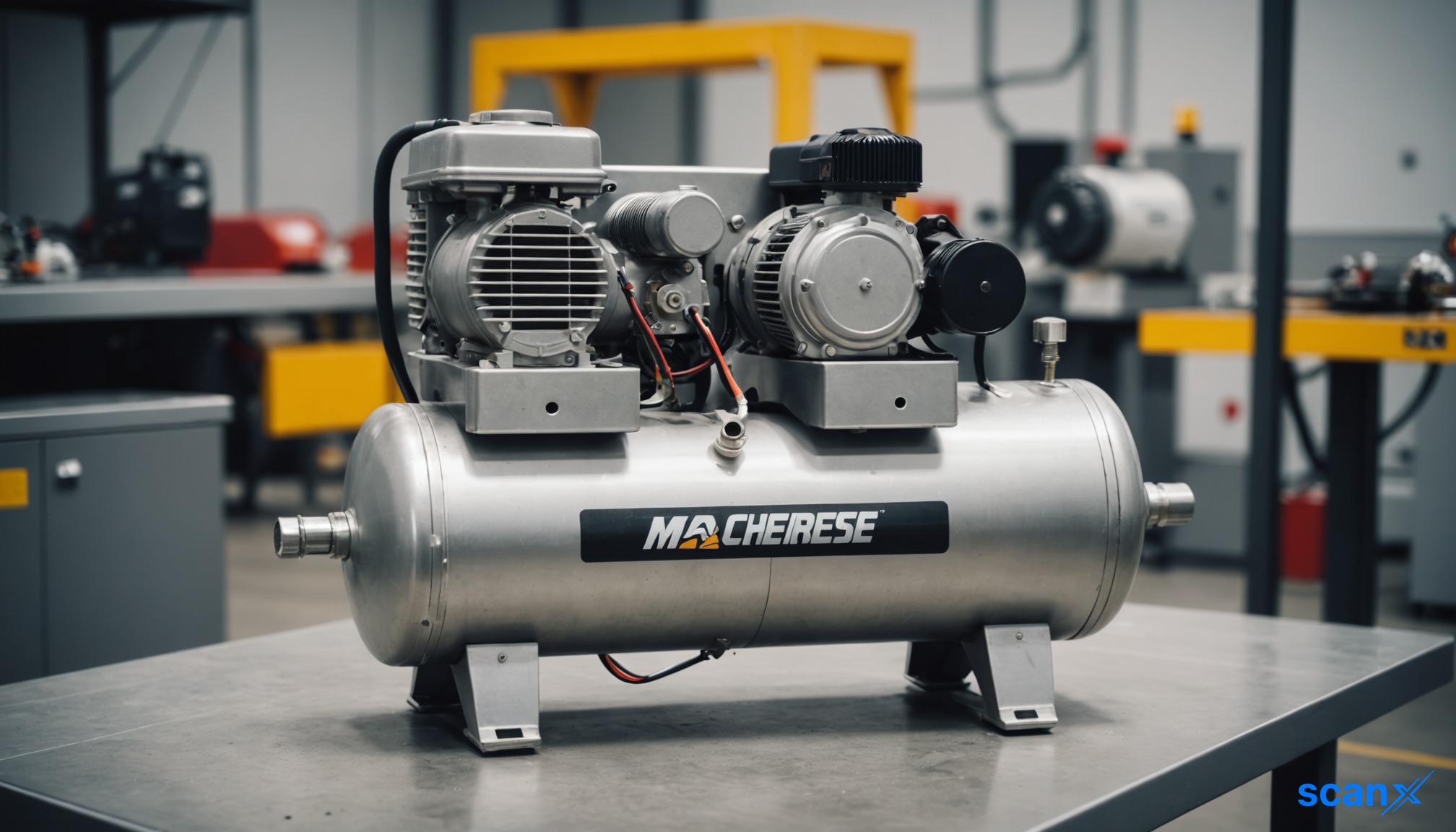

*this image is generated using AI for illustrative purposes only.
ZF Commercial Vehicle Control Systems India Limited reported a record financial performance for FY26, with total revenue rising 9.2% to ₹4,302 crore and net profit increasing 12% to ₹517 crore.
The company held an investor and analyst conference on September 21, 2026, to discuss these results alongside its strategic roadmap for electrification and safety technologies in the commercial vehicle sector.
Financial Performance
Revenue growth was broad-based, driven by strength in the original equipment manufacturer (OEM) segment, which grew 17.6% to ₹1,978 crore. The aftermarket (AM) business also expanded 15.6% to ₹584 crore. Conversely, exports contracted 11.2% to ₹1,025 crore. Service and other income surged 19.4% to ₹715 crore.
Profitability metrics showed consistent improvement. EBITA margins expanded by 60 basis points to 19.3%, while profit before tax (PBT) margins rose by 60 basis points to 16.1%. Net profit margins widened by 30 basis points to 12.0%.
| Metric | FY25 | FY26 | Change |
|---|---|---|---|
| Total Revenue | ₹3,939 crore | ₹4,302 crore | +9.2% |
| OEM Revenue | ₹1,682 crore | ₹1,978 crore | +17.6% |
| Aftermarket Revenue | ₹505 crore | ₹584 crore | +15.6% |
| EBITA Margin | 18.7% | 19.3% | +60 bps |
| Net Profit | ₹461 crore | ₹517 crore | +12.1% |
What the Numbers Show
The divergence between export and domestic performance highlights a shifting growth engine. While exports declined by ₹129 crore, domestic OEM revenue increased by ₹296 crore. This suggests the company is successfully offsetting external headwinds through deeper penetration in the Indian original equipment market, particularly in trucks and buses where it holds market leadership positions.
Strategic Initiatives
The company highlighted several key strategic developments:
- Electrification: Launch of the ZF E-Comp Scroll Electric Air Compressor, recognized with an innovation award at Busworld Europe 2025. The product supports zero-emission vehicle targets with oil-free technology.
- Safety Regulations: Preparation for upcoming regulatory mandates, including Electronic Stability Control (ESC) for all M3 buses implemented in 2026 and Advanced Driver Assistance Systems (ADAS) regulations effective October 2027.
- Aftermarket Expansion: The Spare Parts Aftermarket Reforms Kick-off (SPARK) initiative has launched products including ADB rotors, Diesel Exhaust Fluid (DEF), and wheel bearing grease. Two clutch master cylinder models were launched in March 2026.
- Infrastructure: The Oragadam plant and ESC test track were inaugurated in 2024. The proving ground is fully booked until October 2027 for testing approximately 150 vehicle models for ESC compliance.
ESG and Sustainability
ZF Group aims to reduce Scope 1 and 2 greenhouse gas emissions by 80% by 2030 compared to 2019 levels. The company achieved 100% renewable electricity procurement at all plants worldwide starting in 2025. In India, CSR spending for FY26 reached ₹10.65 crore, focusing on road safety training, solar infrastructure installation, and skill development for 322 trainees under the National Apprenticeship Promotion Scheme.
Historical Stock Returns for ZF Commercial
| 1 Day | 5 Days | 1 Month | 6 Months | 1 Year | 5 Years |
|---|---|---|---|---|---|
| +1.08% | -6.09% | -14.79% | -11.37% | -5.48% | 0.0% |

How might the 11.2% contraction in exports impact ZF's long-term revenue diversification strategy, and are there specific international markets targeted for recovery in FY27?
What is the projected timeline for revenue contribution from the new ZF E-Comp Scroll Electric Air Compressor, and how does it position ZF against competitors in the rapidly growing Indian EV commercial vehicle segment?
With the ESC test track fully booked until October 2027, what capacity expansion plans are in place to handle the surge in demand driven by the 2026 M3 bus mandates and 2027 ADAS regulations?
 16
16









 Access 50+ Readymade Screeners
  Use 200+ Custom Filters
  Get Full Market Insights





