

Adani Green energy sales up 32% in H1 FY27 on capacity growth


- Sale of energy increased 32% YoY to 25,747 million units in H1FY27
- Operational capacity grew 24% YoY to 20,763 MW with 4,083 MW greenfield addition
- Installed BESS capacity reached 6,632 MWh after adding 3,081 MWh in Q2FY27
- Solar grid availability dropped to 78.9% due to transmission curtailment

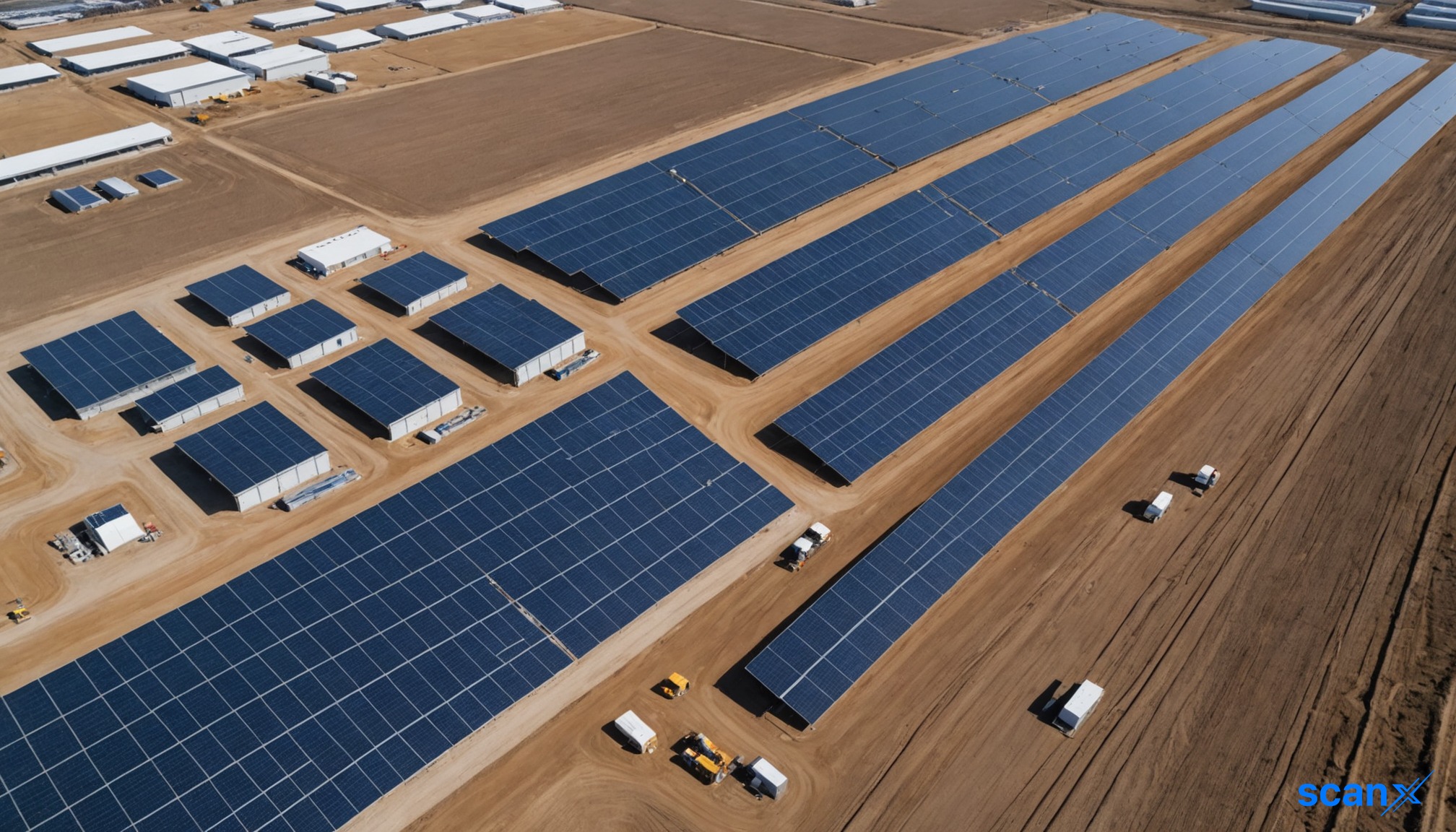

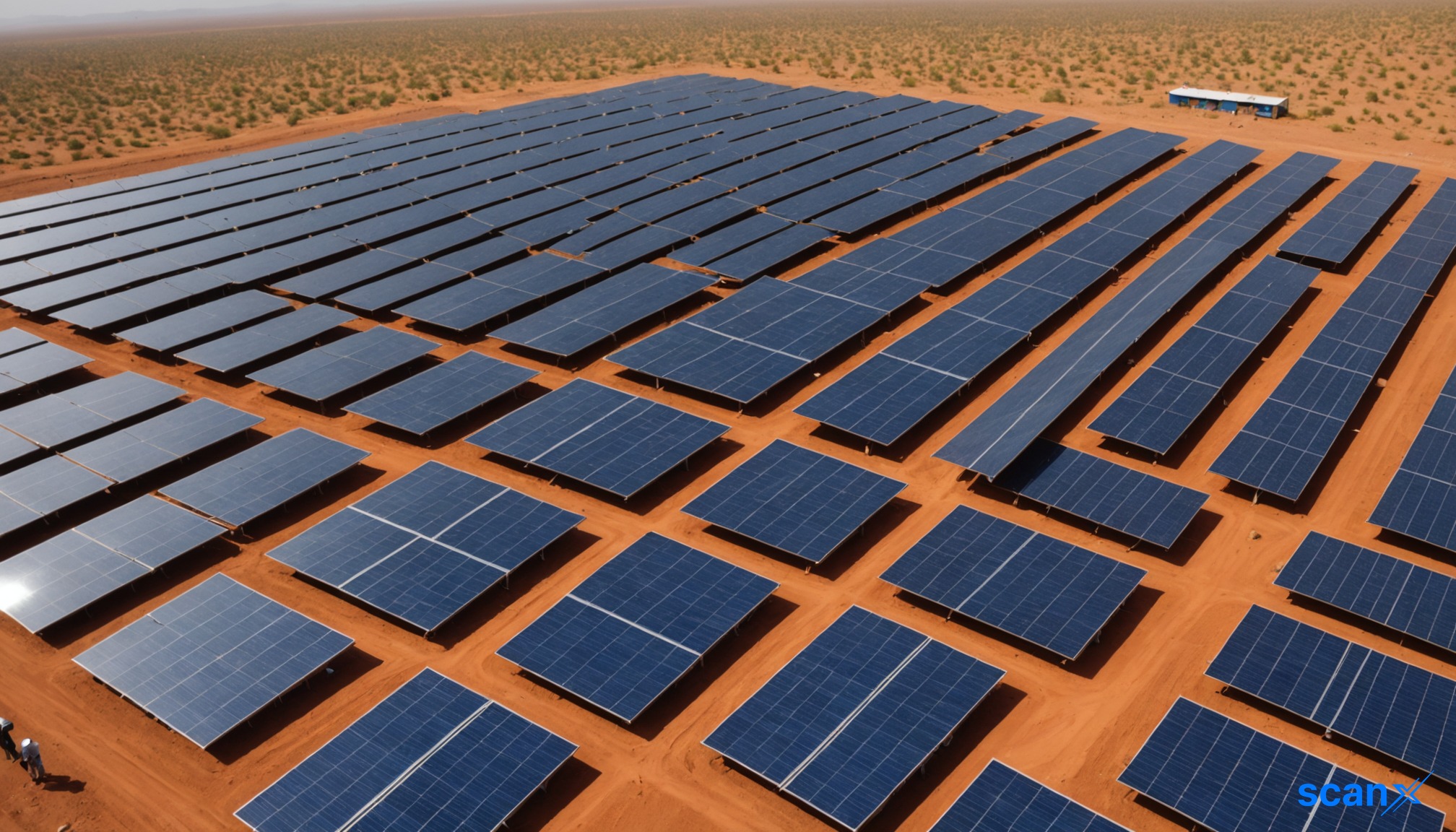
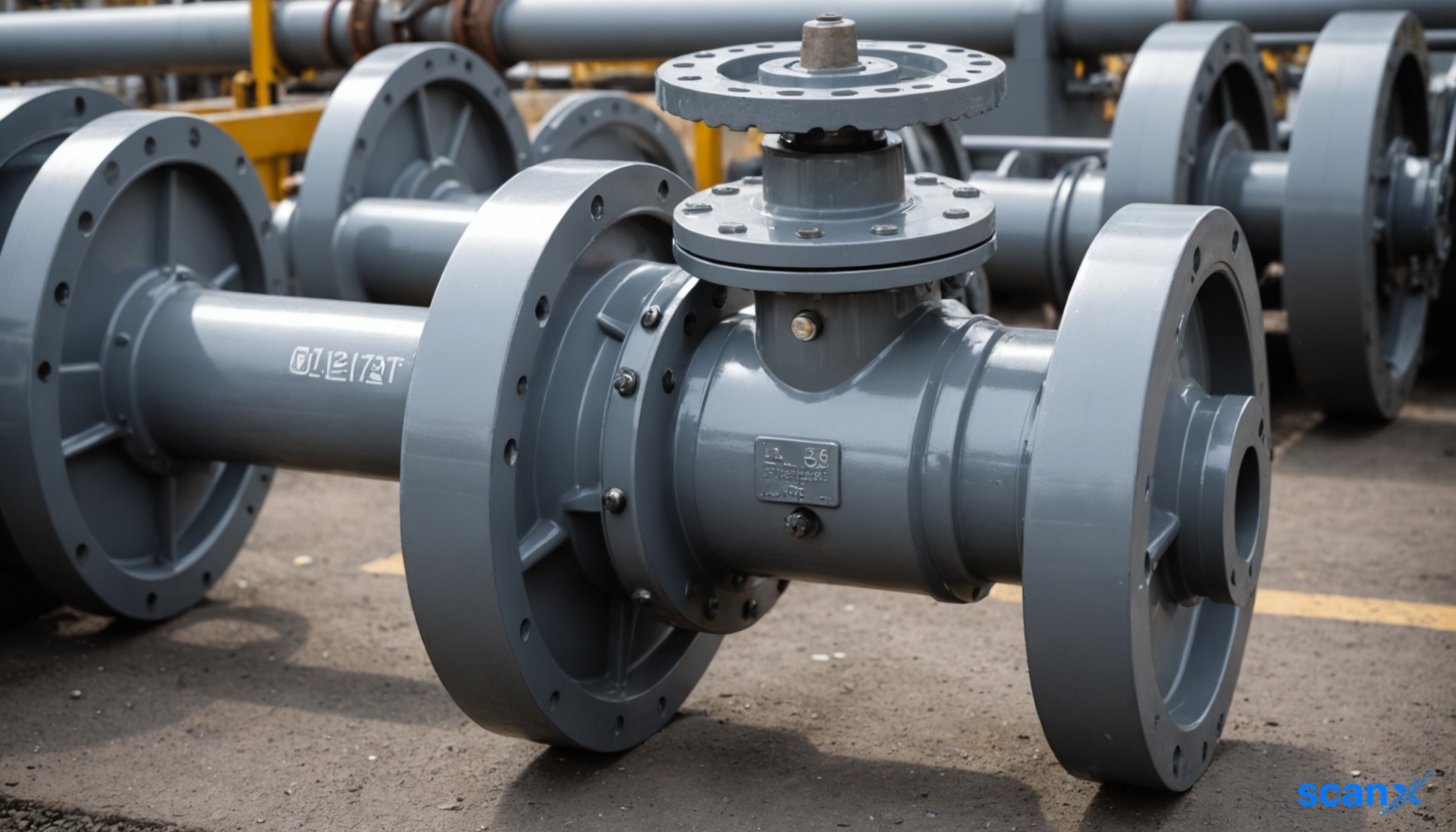
*this image is generated using AI for illustrative purposes only.
Adani Green Energy Limited reported a 32% year-on-year increase in sale of energy for the first half of fiscal year 2027 (H1FY27), reaching 25,747 million units. This growth was primarily driven by a 24% expansion in operational renewable energy capacity, which rose to 20,763 MW compared to the corresponding period last year.
The company added 4,083 MW of greenfield capacity during the half-year period. The portfolio now comprises 14,550 MW of solar, 2,947 MW of wind, and 3,266 MW of hybrid projects. In the second quarter alone, the company operationalized 621 MW, including the commissioning of 3,081 MWh of Battery Energy Storage System (BESS) capacity in Khavda, Gujarat. This single-location deployment brings AGEL's total installed BESS capacity to 6,632 MWh as of September 30, 2026.
Operational performance metrics
The surge in generation volume was supported by strong plant availability across all resource segments. The solar portfolio maintained a plant availability of 99.3% with a Capacity Utilisation Factor (CUF) of 22.9%. Wind assets recorded a CUF of 42.9% with 94.6% availability, while hybrid projects achieved the highest CUF at 45.2% with 98.8% availability.
| Metric | H1 FY26 | H1 FY27 | Change |
|---|---|---|---|
| Solar Capacity (MW) | 11,593 | 14,550 | +25.5% |
| Wind Capacity (MW) | 2,142 | 2,947 | +37.6% |
| Hybrid Capacity (MW) | 2,945 | 3,266 | +10.9% |
| Total Capacity (MW) | 16,680 | 20,763 | +24.5% |
| Sale of Energy (mn units) | 19,569 | 25,747 | +31.6% |
Grid availability and curtailment trends
A notable divergence appears in grid availability metrics. While plant availability remained robust, solar grid availability declined to 78.9% in H1FY27 from 87.0% in FY26. The company attributes this decline to delayed grid access and transmission curtailment during daytime peak hours. Despite this, wind and hybrid grid availability remained relatively stable at 93.7% and 94.5% respectively. The company noted that CUF continues to be reported based on generated units, accounting for all grid curtailments.
What the numbers show
The data reveals a strategic shift in revenue visibility alongside volume growth. While total generation grew by 32%, the composition of contracted power shows increasing stability. Generation from 25-year fixed tariff PPAs stood at 14,478 million units in H1FY27, representing 56% of total sales. This is up from 7,242 million units (approx. 37%) in the same period last year (derived from FY26 full year split). Furthermore, AGEL met 58% of its annual PPA commitment in the first half alone, indicating strong execution against contractual obligations despite grid constraints. The addition of 6.6 GWh of BESS capacity signals a move toward firming up renewable output, potentially mitigating future merchant price volatility and curtailment risks.
Historical Stock Returns for Adani Green Energy
| 1 Day | 5 Days | 1 Month | 6 Months | 1 Year | 5 Years |
|---|---|---|---|---|---|
| +1.63% | -1.59% | -2.80% | +21.96% | +20.16% | +6.74% |

How will the declining solar grid availability impact AGEL's future capacity addition pace and transmission infrastructure investments?
What are the implications of the 6.6 GWh BESS deployment for AGEL's ability to secure higher-tariff firm renewable power purchase agreements?
How might the shift toward 56% fixed-tariff PPA revenue affect AGEL's exposure to merchant power price volatility in upcoming quarters?
 16
16






 Access Market Heat-map & Insights
  Create, Save & Share your Screener
  Use 200+ Screening Filters





