

Winnebago Industries raises quarterly dividend to $0.36 per share


Winnebago Industries raised its quarterly dividend to $0.36 per share, a 3% increase from the prior quarter. The payout is scheduled for September 23, 2026, for shareholders of record on September 9, 2026. CEO Michael Happe cited continued investment in innovation and operational excellence as key drivers for this capital return strategy.

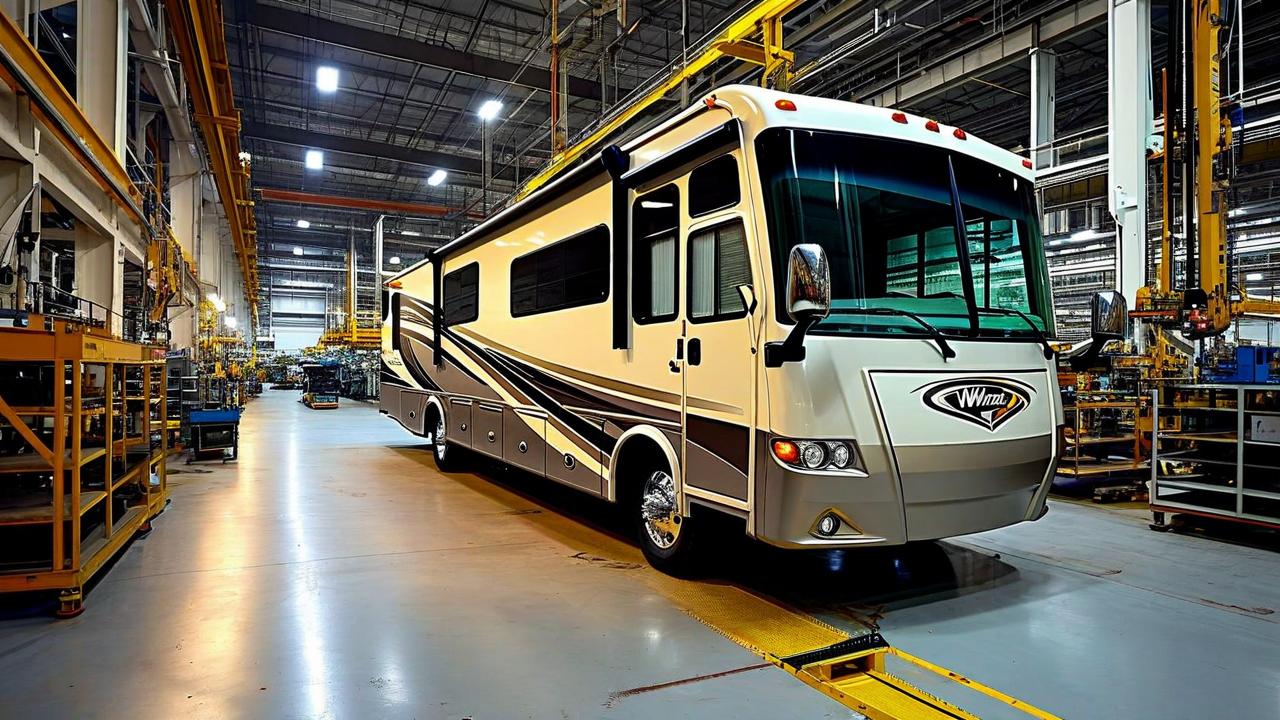

*this image is generated using AI for illustrative purposes only.
Winnebago Industries (NYSE: WGO) has increased its quarterly cash dividend by 3% to $0.36 per share, reflecting the company’s continued commitment to returning capital to shareholders. The Board of Directors approved the declaration on August 12, 2026, marking another step in the manufacturer’s disciplined capital allocation strategy.
The new dividend represents an increase of $0.01 per share from the previous quarter’s rate. This adjustment underscores the firm’s track record of more than 12 years of uninterrupted quarterly dividend payments, a cornerstone of its long-term value creation approach.
Dividend Details
The updated dividend schedule is structured as follows:
| Metric: | Value |
|---|---|
| Quarterly Dividend Amount: | $0.36 per share |
| Increase from Prior Quarter: | $0.01 (3%) |
| Record Date: | September 9, 2026 |
| Payment Date: | September 23, 2026 |
Shareholders must hold common stock at the close of business on September 9, 2026, to be eligible for the payment scheduled for September 23, 2026.
Strategic Context
Michael Happe, President and CEO, highlighted that the dividend increase aligns with the company’s focus on innovation and operational excellence. "As we continue to invest in innovation, technology and operational excellence that provides differentiated, premium products to our customers, we remain committed to deploying capital where it can generate the strongest returns and support sustainable growth," Happe said.
Winnebago Industries manufactures outdoor recreation products under brands including Winnebago, Grand Design, Chris-Craft, Newmar, and Barletta. The company produces motorhomes, travel trailers, fifth-wheel products, and powerboats across facilities in Iowa, Indiana, Minnesota, and Florida.

How might the 3% dividend increase impact Winnebago's free cash flow and its ability to fund future R&D for electric or autonomous recreational vehicles?
Given the cyclical nature of the outdoor recreation market, does this consistent dividend growth signal management's confidence in sustained demand despite potential macroeconomic headwinds?
Will Winnebago prioritize share buybacks alongside this dividend hike, or will capital allocation remain heavily skewed toward dividends to attract income-focused investors?
 20
20







 Access Market Heat-map & Insights
  Create, Save & Share your Screener
  Use 200+ Screening Filters





