

Warren urges Nvidia CEO to testify over Russian drone tech


- Elizabeth Warren demands Jensen Huang testify over Nvidia chips in Russian drones
- Ukrainian investigators found Nvidia Jetson Orin computers in drone wreckage
- Nvidia denies direct sales to Russia, citing consumer-grade product design
- Nvidia stock fell 2.91% to $208.48 before rising slightly in after-hours trading

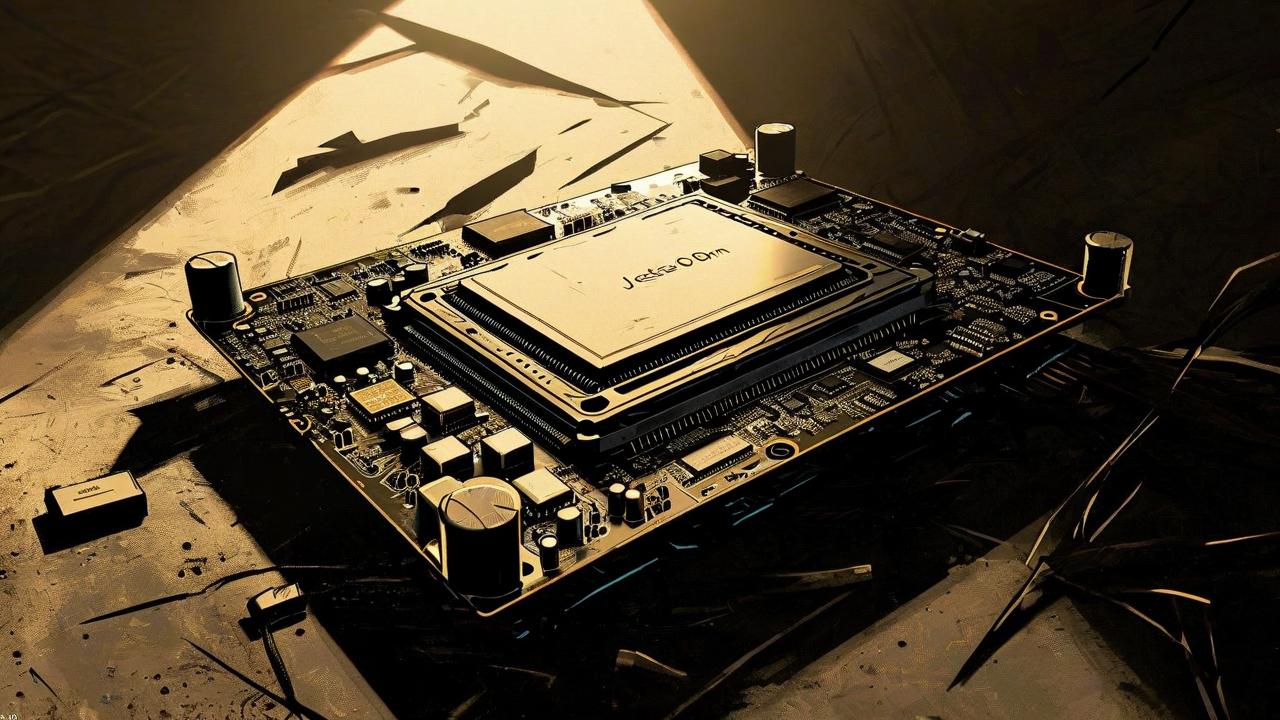

*this image is generated using AI for illustrative purposes only.
Senator Elizabeth Warren has demanded that Nvidia Corp (NASDAQ: NVDA) CEO Jensen Huang testify before Congress regarding reports of the company’s technology powering Russian military drones.
The call for testimony follows a New York Times report stating that Ukrainian investigators discovered Nvidia Jetson Orin computers in the wreckage of Russian drones used in attacks near Zaporizhzhia. Ukrainian officials indicated these systems may have enabled autonomous targeting without human oversight.
Warren Criticizes Huang's Schedule
Warren took to X to criticize Huang, arguing that his recent public engagements demonstrate he can allocate time for congressional inquiries.
"If Jensen Huang has time to attend a $1 million-a-head dinner at Mar-a-Lago and fly across the world to meet with President Xi Jinping, he can find time to testify in front of Congress about reports that NVIDIA technology is powering Russia’s war machine," Warren said.
This marks an escalation from June, when Warren invited Huang to testify before the Senate Banking Committee regarding Nvidia’s China operations and US export controls. Huang declined, citing unavailability, but invited committee members to visit Nvidia’s headquarters in California.
Nvidia Denies Direct Sales to Russia
Nvidia responded to the allegations via an emailed statement to Benzinga. The company clarified that the Jetson systems found in the drones are consumer-grade products intended for students, developers, and startups.
Key points from Nvidia’s statement:
- The Jetson line was not sold directly to Russia.
- The devices were not designed for military applications.
- Nvidia cannot track secondary sales or resale markets.
- The company will take action if it determines any customer is violating US export controls.
Ukrainian defense intelligence also reported finding an Nvidia Jetson computer on a Russian S-71M Monochrome missile tested in attacks against Ukraine. One drone equipped with such a system reportedly killed three people in Zaporizhzhia on July 6.
Market Reaction
Nvidia shares closed at $208.48 on Monday, down 2.91%. In after-hours trading, the stock rose 0.20% to $208.90. Benzinga Edge Rankings place Nvidia in the 99th percentile for growth, with positive short-, medium-, and long-term price trend ratings.
What the Numbers Show
The divergence between Nvidia’s denial of direct sales and the physical presence of its hardware in active combat zones highlights the limitations of current export control tracking. While the company asserts it does not sell to Russia, the reliance on secondary market monitoring creates a gap between corporate policy and end-use reality.

How might increased congressional scrutiny and potential export control tightening impact Nvidia's revenue projections for its consumer-grade Jetson line?
What specific technical measures could semiconductor manufacturers implement to better track and prevent the diversion of dual-use hardware to sanctioned entities via secondary markets?
Will this incident accelerate legislative efforts in Washington to hold CEOs personally accountable for end-use violations of US export controls?
 17
17





 Access 50+ Readymade Screeners
  Use 200+ Custom Filters
  Get Full Market Insights





