

Waaree Energies FY26 Revenue Surges 84%; FY27 EBITDA Guided at ₹7,000–₹7,700 Cr


Waaree Energies achieved record FY26 financial results, with revenue growing 84% to ₹26,537 crores and PAT doubling to ₹3,884 crores. The company guided for FY27 operating EBITDA of ₹7,000–₹7,700 crores, driven by capacity expansion and the Waaree 2.0 strategy.

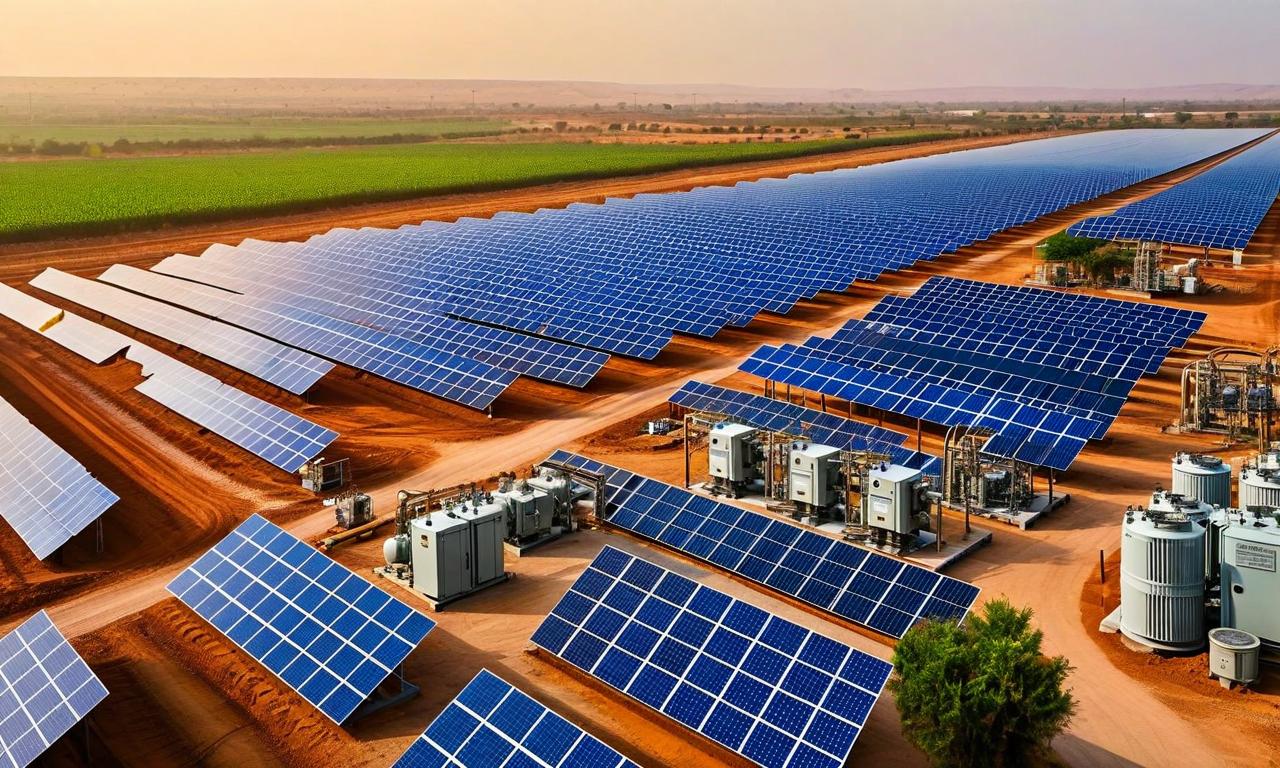

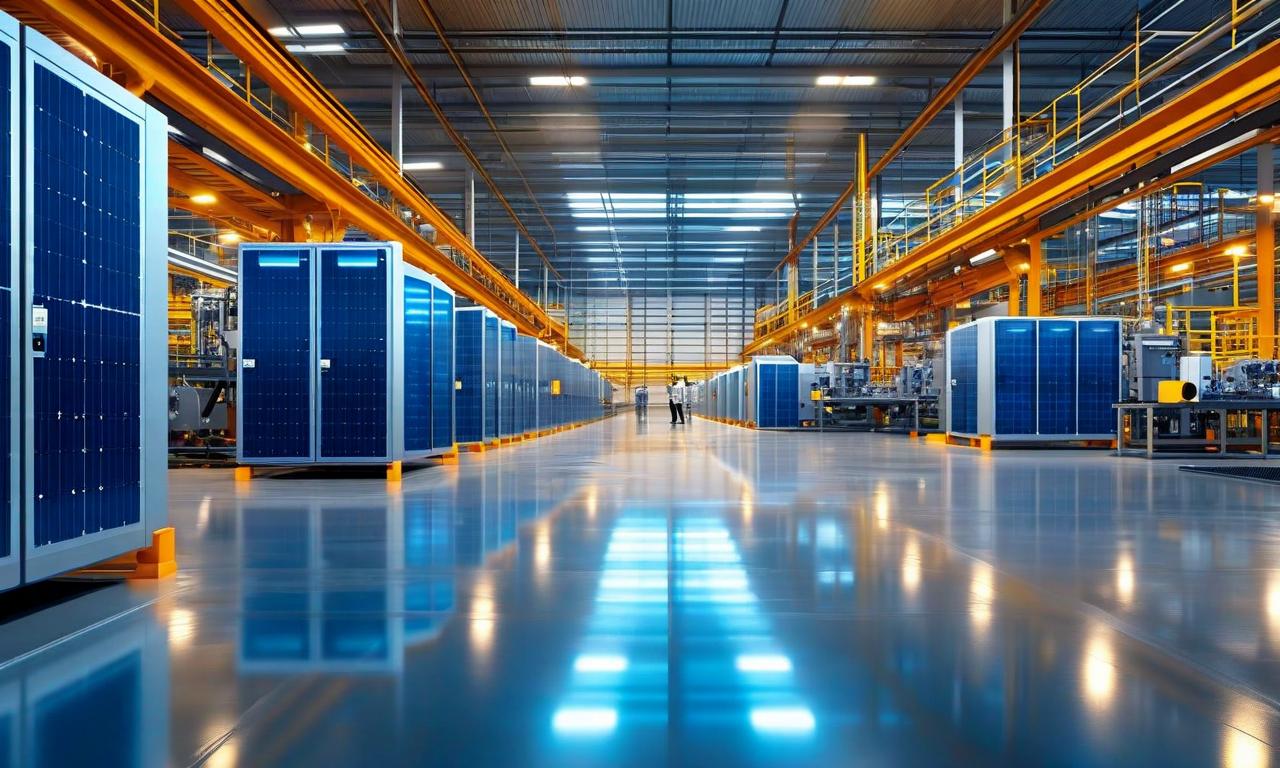
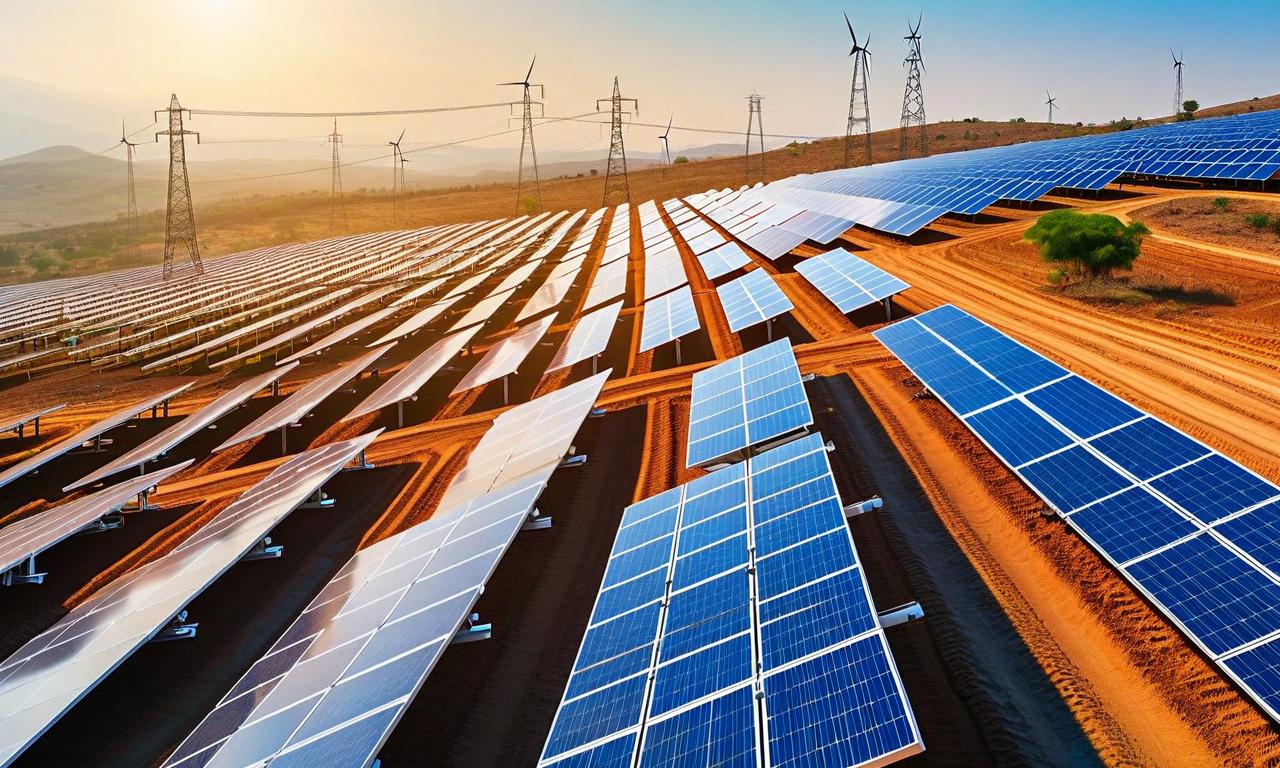
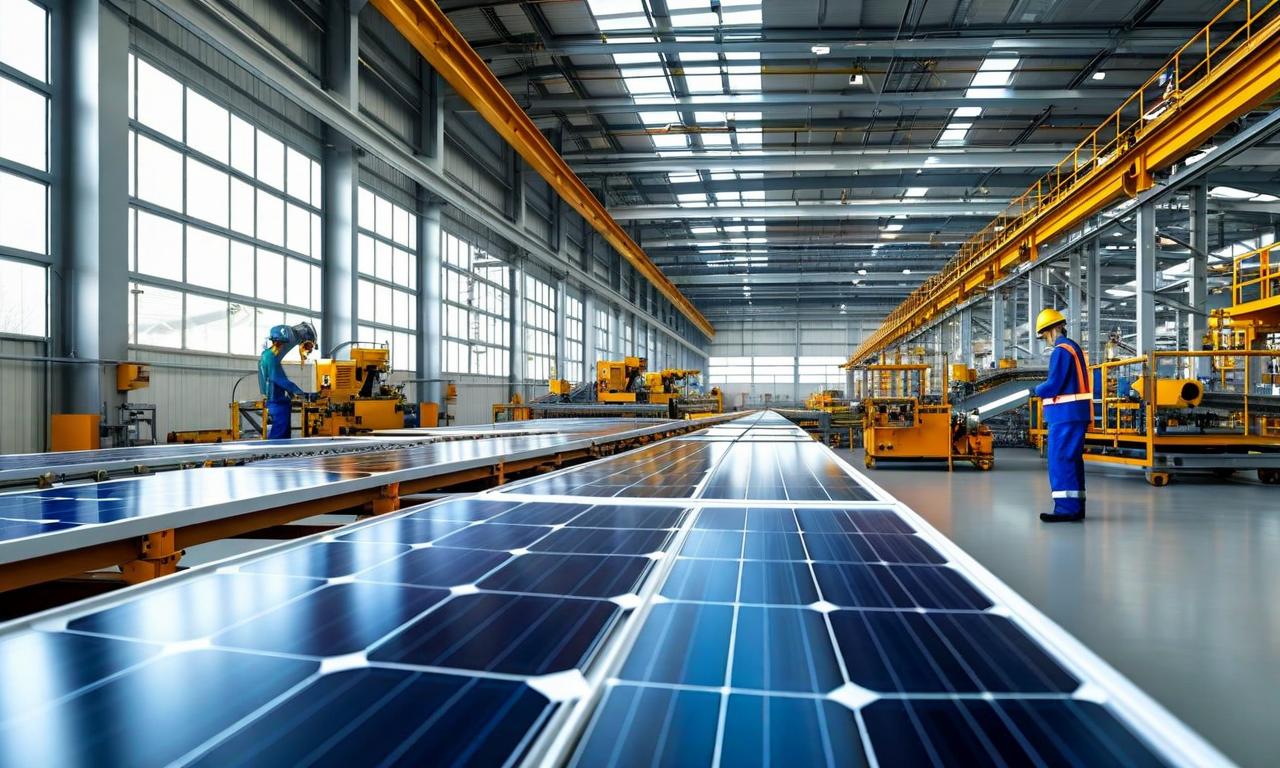
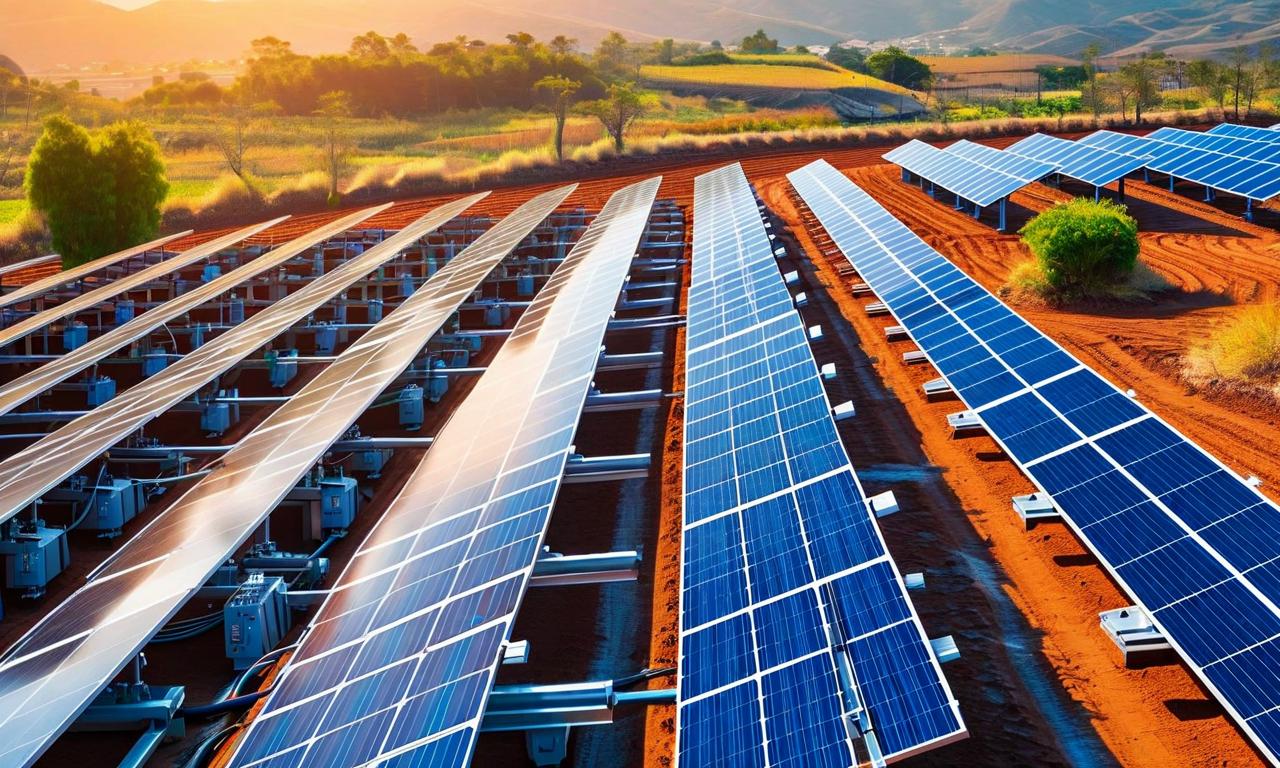
*this image is generated using AI for illustrative purposes only.
Waaree Energies delivered a record-breaking performance in FY26, with consolidated revenue from operations reaching ₹26,536.77 crores, reflecting a growth of 83.7% year-on-year. Profit after tax more than doubled, growing over 101% to ₹3,884 crores, while operating EBITDA surged 117% to ₹5,908.64 crores. The company's reported total EBITDA of ₹6,617 crores surpassed its earlier guidance range of ₹5,500 crores to ₹6,000 crores for FY26. Management highlighted that no single customer, market, or segment dominates the business, with retail, service, and overseas segments collectively contributing 60% to 70% of revenue.
Full-Year and Quarterly Financial Performance
The company's financial results for the full year and Q4 demonstrated strong momentum across key metrics. The following table summarises the consolidated performance:
| Metric: | FY26 | FY25 | Change |
|---|---|---|---|
| Revenue from Operations: | ₹26,536.77 crores | — | +83.7% YoY |
| Operating EBITDA: | ₹5,908.64 crores | — | +117% YoY |
| Operating EBITDA Margin: | 22.27% | 18.84% | +343 bps |
| PAT: | ₹3,884 crores | — | +101% YoY |
| ROE: | 29% | — | — |
| ROCE: | 32% | — | — |
For Q4 specifically, revenue from operations stood at ₹8,480 crores, marking a year-on-year increase of 111%. Operating EBITDA for the quarter came in at ₹1,576 crores, up 70%, while profit after tax was ₹1,126 crores compared to ₹644 crores in Q4 FY25. Management noted that Q4 margins were impacted by elevated silver and copper prices, logistics disruptions in the Middle East, and a lower share of overseas revenue relative to the prior quarter.
Capacity Leadership and Production Scale
Waaree Energies' total module manufacturing capacity now stands at approximately 26 gigawatts, positioning it as the largest non-Chinese module manufacturer in the world. Cell manufacturing capacity remains fully operational at 5.4 gigawatts, the largest cell manufacturing facility in India. Module manufacturing for the full year reached a record 12.6 gigawatts—a growth of 77% over FY25—equivalent to approximately 56,000 modules produced every single day. The company sold approximately 12 gigawatts of modules during the year.
For Q4, module production stood at 4.2 gigawatts, a 104% increase year-on-year, while cell production for the quarter was 0.7 gigawatt and module sales reached 4.1 gigawatts. The company has commenced a transition from M10R TOPCon to G12R technology across its cell lines, with G12R modules capable of producing 615-watt output compared to 580 watts for M10R, translating to an expected 10% to 12% improvement in realization per unit.
Revenue Mix and Order Book
The company's revenue mix for FY26 remained well diversified across segments:
| Segment: | Revenue Contribution |
|---|---|
| Utility / IPP / C&I: | 34.7% |
| Overseas: | 33% |
| Retail: | 20.8% |
| EPC: | 11.6% |
The retail segment delivered revenue of ₹5,515 crores in FY26, a growth of 84% year-on-year. The order book stands at approximately ₹53,000 crores, up from approximately ₹47,000 crores at the end of Q4 FY25, with approximately 65% to 70% of the order book comprising overseas long-range orders to be delivered over the next three to four years. The retail portion, representing approximately 20% of total revenues, is not reflected in the stated order book figure.
Strategic Initiatives and Capacity Expansion
During the quarter, Waaree Energies announced and progressed several key strategic initiatives:
- Polysilicon Supply Chain: Completed acquisition of a strategic stake in United Polysilicon, an Oman-based company, securing long-term, fully traceable non-Chinese polysilicon supply.
- T&D Entry: Subsidiary WRTL announced acquisition of approximately 55% stake in Associated Power Structures Limited (APSL) for approximately ₹1,225 crores, marking entry into the transmission and distribution segment.
- PV Glass Manufacturing: Board approved a capex of ₹3,900 crores for a PV glass manufacturing facility with a capacity of 2,500 TPD, sufficient to produce approximately 16 to 17 gigawatts of modules per annum. Glass accounts for approximately 20% plus of module cost.
- Ingot Wafer Facility: Commenced construction of a 10-gigawatt ingot wafer facility at Nagpur with a capex of ₹6,200 crores, expected to be operational in FY28.
- Additional Module Capacity: Commissioned an additional 3-gigawatt module manufacturing capacity at Samakhiali, Kutch.
- US Manufacturing: The 1.6-gigawatt greenfield module manufacturing facility in the US is operational, with an additional 2.6 gigawatts expected to go live over the next six months, taking total US capacity to approximately 4.2 gigawatts.
Waaree 2.0: Adjacency Businesses and Energy Transition Vision
Management outlined the company's transition from Waaree 1.0 to Waaree 2.0, backed by approximately $3.5 billion of committed capex. Upon completion, Waaree 2.0 is expected to encompass:
| Capability: | Planned Scale |
|---|---|
| Module Manufacturing: | ~28 gigawatts |
| Cell Manufacturing: | 15.4 gigawatts |
| Ingot Wafer: | 10 gigawatts |
| Battery Energy Storage (BESS): | 20 gigawatt hours |
| Inverters: | 4 gigawatts |
| Green Hydrogen Electrolyzer: | 1 gigawatt |
| Transformers: | 20,000 MVA |
| PV Glass: | 2,500 TPD |
For BESS, Phase 1 of 3.5 gigawatt hours is expected in the current financial year, with Phase 2 of 16.5 gigawatt hours targeted by the next financial year, at a total capex outlay of approximately ₹10,000 crores. The inverter business has commissioned Phase 1 of 3 gigawatts at the Sarodhi facility in Gujarat, with the remaining 1 gigawatt expected in the current financial year, at a capex outlay of approximately ₹180 crores. Transformer capacity is being expanded from approximately 4,000 MVA to 20,000 MVA at the Alwar facility in Rajasthan, with a capex outlay of approximately ₹192 crores. For green hydrogen, the company has secured electrolyser PLI of ₹444 crores and hydrogen PLI of approximately ₹510 crores, targeting a 1-gigawatt electrolyzer capacity at the Dungri facility in Gujarat at a planned capex of approximately ₹676 crores.
FY27 Guidance and Outlook
Management guided for operating EBITDA of ₹7,000 crores to ₹7,700 crores for FY27, representing approximately 20% to 25% growth over FY26's operating EBITDA of ₹5,908.64 crores. The guidance factors in pre-startup costs associated with new facilities going live during the year. Management indicated that the 10-gigawatt cell facility is expected to go live in H2 FY27, taking total cell capacity to 15.5 gigawatts, which is expected to significantly improve DCR mix and margin profile. The company also announced an enabling resolution to raise up to ₹10,000 crores, with details on objectives and timelines to be communicated to shareholders. For IRA benefits in the US, the company received approximately $40 million cumulatively in the last financial year at $0.07 per watt peak, with the benefit expected to scale as the additional 2.6-gigawatt US facility commences operations. Management maintained a long-range EBITDA margin guidance of 19% to 20% on a sustained basis, while noting that quarters with higher DCR, overseas, or retail mix could deliver materially higher margins.
Source: Company/INE377N01017/403ea4e3a4b4405c.pdf
Historical Stock Returns for Waaree Energies
| 1 Day | 5 Days | 1 Month | 6 Months | 1 Year | 5 Years |
|---|---|---|---|---|---|
| +0.28% | -5.46% | -9.33% | -24.04% | -29.58% | +0.32% |

How might escalating US-China trade tensions and evolving FEOC compliance requirements impact Waaree's competitive positioning against other non-Chinese module manufacturers in the American market?
With Waaree's $3.5 billion Waaree 2.0 capex commitment spanning BESS, electrolyzers, and transformers, how will the company manage execution risk and balance sheet stress if multiple large facilities ramp up simultaneously in FY27-FY28?
As Waaree expands into Europe, Africa, and the Middle East for overseas revenue diversification, what geopolitical and regulatory hurdles could affect its ability to replicate the margin premium it currently earns from overseas segments?
 16
16




 Access 50+ Readymade Screeners
  Use 200+ Custom Filters
  Get Full Market Insights





