

Vibhor Steel Tubes promoter Vijay Kaushik buys 5,000 shares


- Promoter Vijay Kumar Kaushik bought 5,000 shares on NSE
- Total stake rises to 42,05,000 shares or 22.18%
- Purchase price was ₹112.6227 per share
- No encumbrances or pledges on the shares



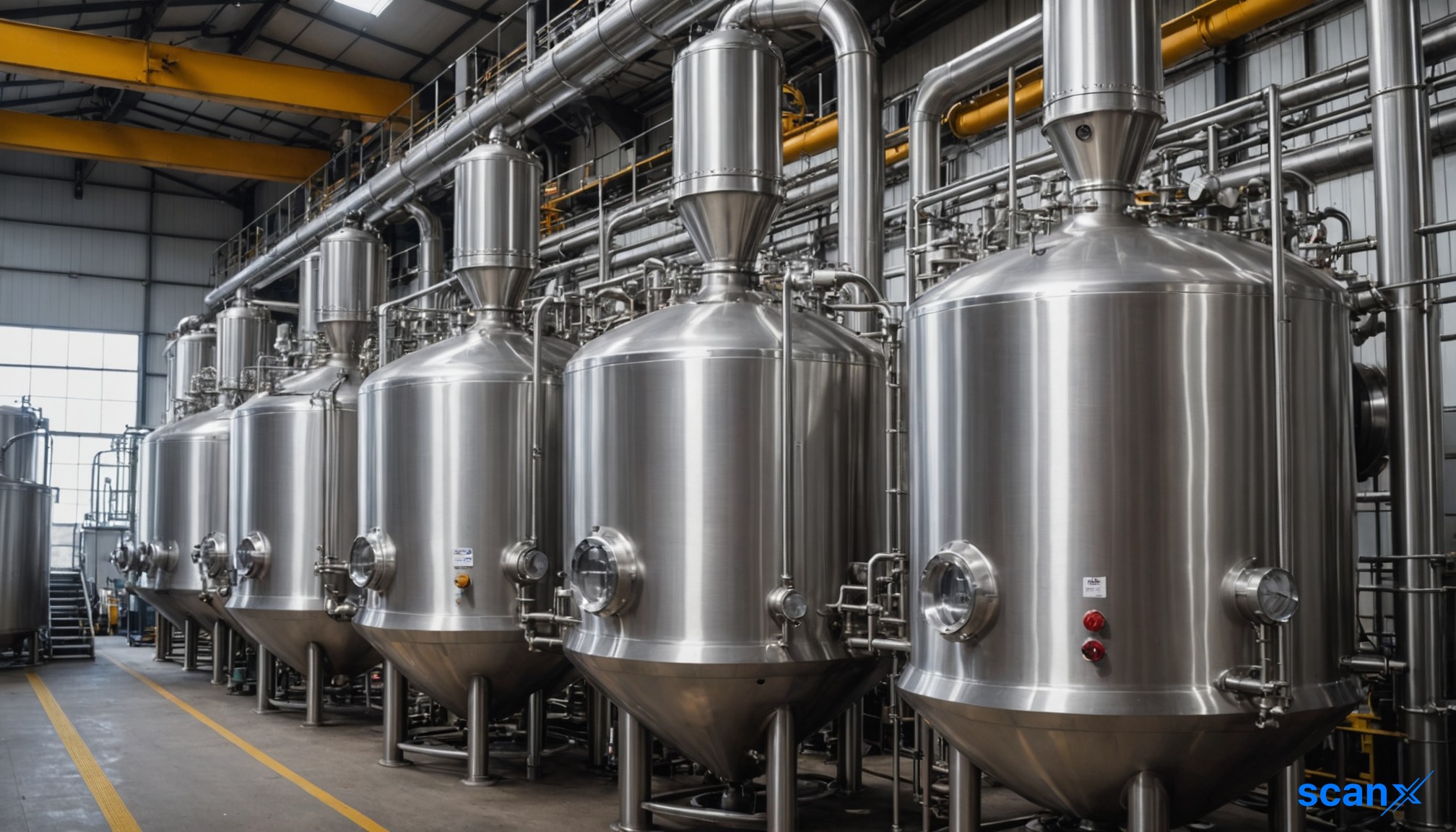
*this image is generated using AI for illustrative purposes only.
Promoter and director Vijay Kumar Kaushik acquired 5,000 equity shares of Vibhor Steel Tubes through an open market transaction on September 1, 2026. The purchase raises his total holding to 42,05,000 shares, representing 22.18% of the company’s paid-up capital.
The acquisition was disclosed under Regulation 29(1) and 29(2) of the SEBI (Substantial Acquisition of Shares and Takeovers) Regulations, 2011. The transaction took place on the National Stock Exchange of India Limited.
Transaction Details
The shares were purchased at a price of ₹112.6227 per share. Prior to this acquisition, Kaushik held 42,00,000 shares, constituting 22.15% of the total voting capital. The company’s total equity share capital remains at ₹18,96,24,430, divided into 1,89,62,443 equity shares of ₹10 each.
| Metric | Before Acquisition | After Acquisition |
|---|---|---|
| Shares Held | 42,00,000 | 42,05,000 |
| Stake Percentage | 22.15% | 22.18% |
| Encumbrances | NIL | NIL |
No warrants, convertible securities, or other instruments entitling the acquirer to receive shares carrying voting rights were involved in the transaction. There are no encumbrances, pledges, or liens on the acquired shares.
Historical Stock Returns for Vibhor Steel Tubes
| 1 Day | 5 Days | 1 Month | 6 Months | 1 Year | 5 Years |
|---|---|---|---|---|---|
| -0.62% | -1.22% | +2.66% | +0.32% | -29.53% | -74.57% |

Will this incremental stake consolidation signal a potential open offer or further aggressive accumulation by Vijay Kumar Kaushik in the coming quarters?
How might this insider buying activity influence retail investor sentiment and short-term trading volume for Vibhor Steel Tubes on the NSE?
Does the acquisition at ₹112.62 suggest management views the current valuation as undervalued relative to the company's projected earnings growth?
 16
16














 Create Custom Screeners
  Access 200+ Pre-built Filters
  Use 50+ Readymade Screener





