

VanEck warns power shortage could derail Nvidia Q3 earnings beat


- VanEck warns U.S. power shortages could cause Nvidia to miss Q3 earnings estimates
- Analysts project 30 GW chip power demand vs 15-25 GW new data center capacity annually
- Every 1GW shortfall risks $37 billion in Nvidia revenue, or ~6% of total
- Wall Street expects Q3 EPS of $2.38 and revenue of $104.19 billion
- Nvidia has beaten EPS estimates for 15 straight quarters and revenue for 16


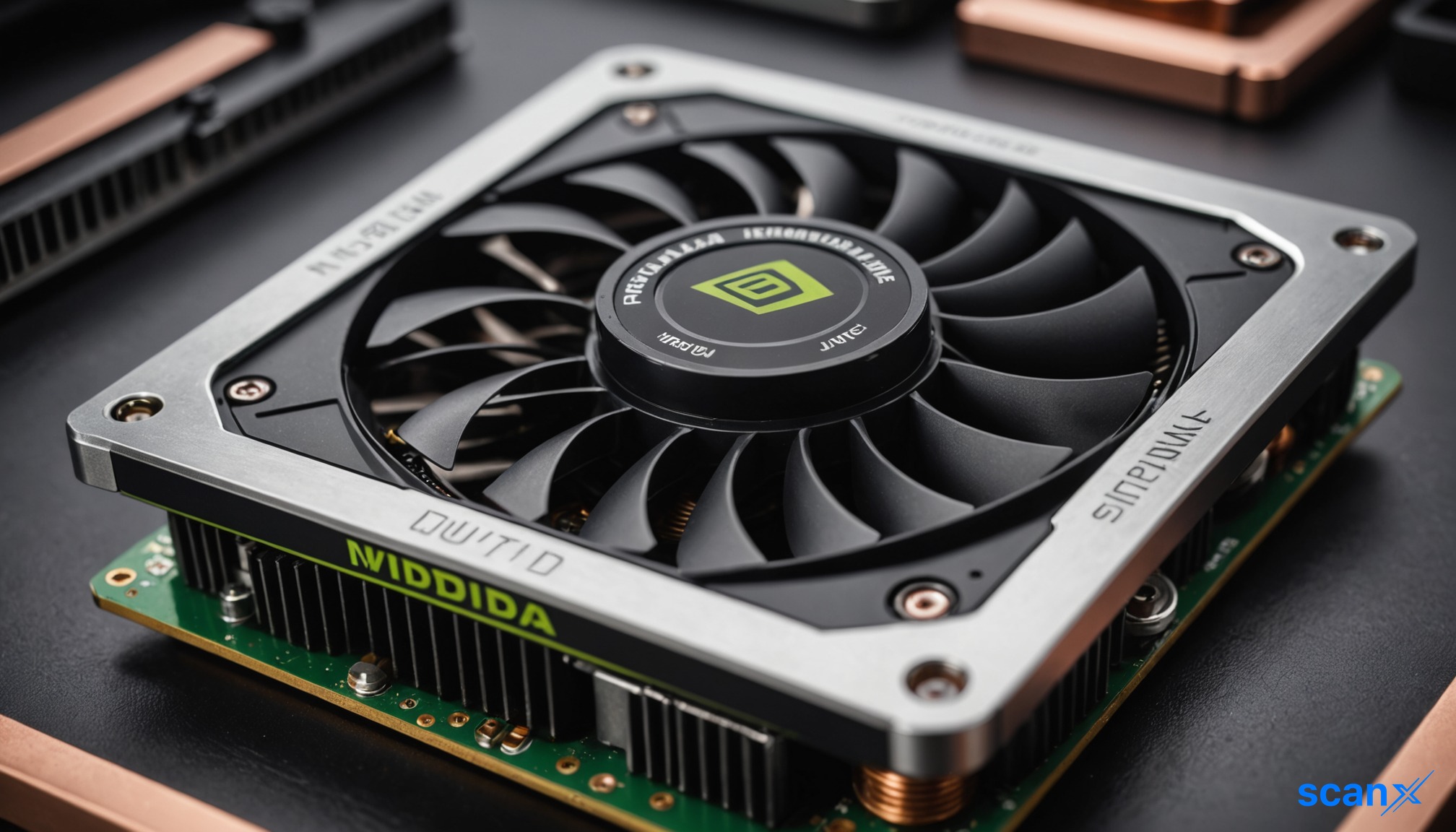
*this image is generated using AI for illustrative purposes only.
VanEck analysts warn that a looming U.S. power shortage for data centers poses a tangible risk to Nvidia (NASDAQ: NVDA) beating its third-quarter earnings estimates. The asset manager highlights that infrastructure constraints, rather than weak demand, could disrupt the chipmaker’s streak of 15 consecutive quarters of earnings beats.
Power Supply Constraints
VanEck projects that chips sold by Nvidia, Advanced Micro Devices (NASDAQ: AMD), and Broadcom (NASDAQ: AVGO) will collectively require about 30 gigawatts of U.S. power through 2027. However, the firm estimates only 15 to 25 gigawatts of new U.S. data center capacity with available power is expected to come online each year.
"We see more risk that NVDA misses estimates because its customers cannot get power than that the miners fail to lease their megawatts," VanEck analysts Patrick Bush and Matthew Sigel wrote in a recent note.
Revenue Impact Estimates
The analysts quantify the potential financial impact of this energy gap. They estimate that every 1GW of unenergized capacity represents approximately $37 billion in lost revenue for Nvidia, equivalent to around 6% of its total revenue. A potential 3GW shortfall could lead to an 18% revenue drop.
| Metric | Estimate | Impact on Nvidia |
|---|---|---|
| Total Chip Power Demand (through 2027) | 30 GW | Collective demand from NVDA, AMD, AVGO |
| New Data Center Power Available (Annual) | 15-25 GW | Estimated annual addition |
| Revenue Risk per 1GW Shortfall | $37 billion | ~6% of total revenue |
| Potential Revenue Drop (3GW Shortfall) | 18% | Based on 3GW gap |
Q3 Earnings Expectations
Wall Street expects Nvidia to report third-quarter earnings per share of $2.38, up from $1.30 in the year-earlier period. For revenue, analysts project a total of $104.19 billion for the quarter. This would be a significant increase from the $57.01 billion reported a year earlier and would top the record set in the second quarter ($96.22 billion) of this fiscal year.
Nvidia has beaten analyst estimates for revenue in 16 straight quarters. VanEck’s warning suggests that despite extraordinary AI demand, supply-side limitations could prevent the company from meeting these optimistic estimates when results are likely released in November.
What the Numbers Show
The divergence between projected power demand (30 GW) and available supply (15-25 GW annually) creates a structural bottleneck. With each 1GW shortfall equating to $37 billion in potential lost revenue, even a modest gap within the estimated range represents a material threat to Nvidia’s top-line growth trajectory, challenging the assumption that demand alone drives earnings outcomes.

How might Nvidia's supply chain partners, such as TSMC or SK Hynix, adjust their production forecasts if data center power constraints limit chip deployment?
Could this power bottleneck accelerate the adoption of energy-efficient AI architectures or edge computing solutions to reduce centralized data center load?
What specific regulatory or infrastructure investments are U.S. utilities planning to bridge the 15-25 GW annual capacity gap by 2027?
 15
15






 Create Custom Screeners
  Access 200+ Pre-built Filters
  Use 50+ Readymade Screener





