

Nvidia stock fails to retest high amid headwinds, technical risks


- Nvidia stock fails to retest all-time high amid headwinds and technical resistance
- Competition rises as OpenAI, Microsoft, Meta, and Amazon develop custom chips
- Second-quarter revenue more than doubled; FY guidance exceeds 77% growth
- Stock trades at forward P/E of 23, below five-year average of 58
- Technical analysis shows bearish rising wedge pattern with RSI divergence


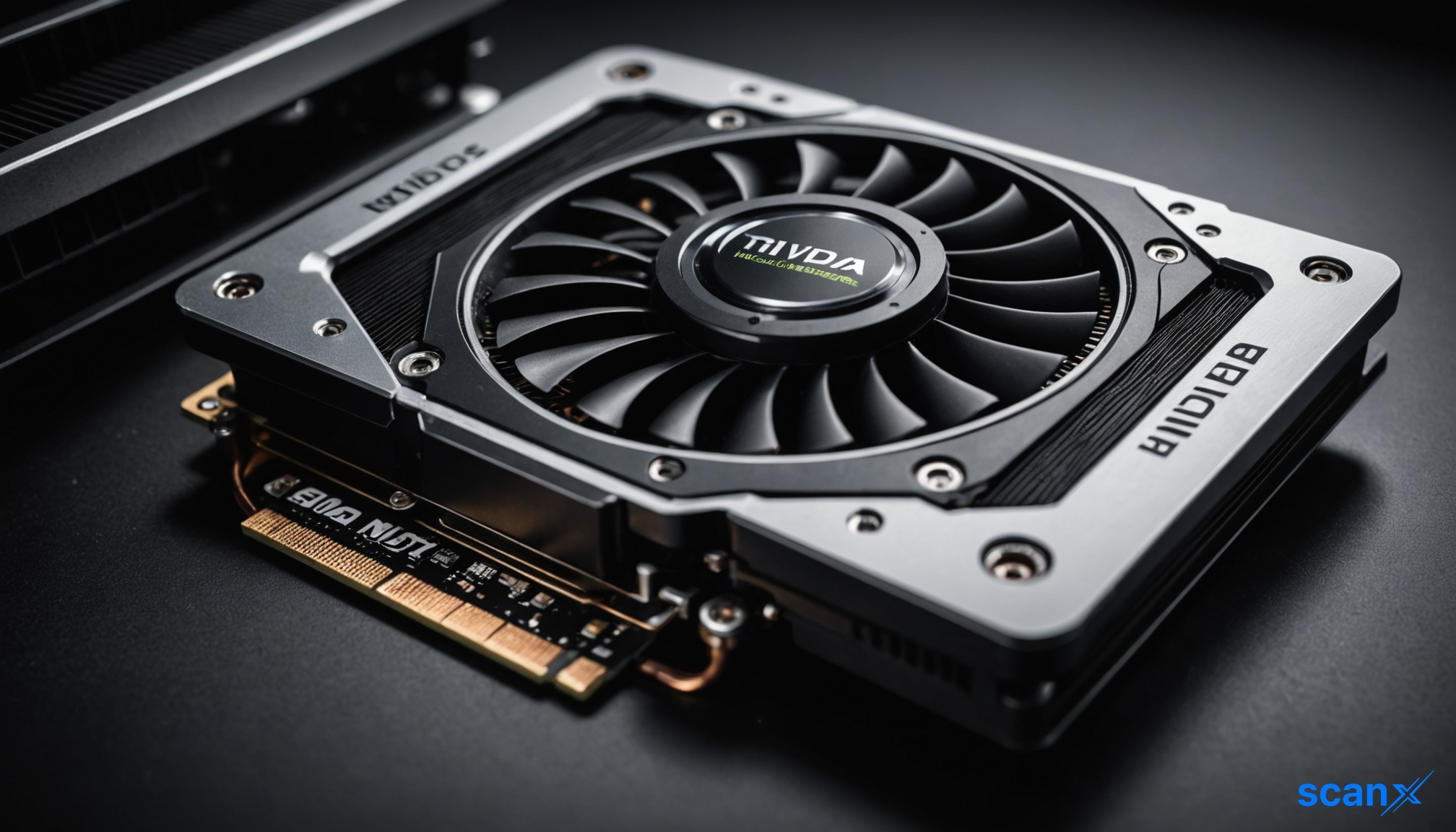
*this image is generated using AI for illustrative purposes only.
Nvidia (NASDAQ: NVDA) continues to struggle in retesting its all-time high as the company faces significant operational headwinds and technical resistance. The stock’s inability to break through previous peaks reflects growing market caution despite the firm's robust financial performance.
Major Headwinds Emerge
The company contends with increasing calls to slow down AI development, a shift that could impact its core business. Jensen Huang and President Donald Trump have insisted that the AI industry must continue growing to maintain the US lead against China. However, concerns about the data center industry are leading to project delays or cancellations. Oracle (NASDAQ: ORCL) faces delays on Project Jupiter, a 14,000-acre data center in New Mexico, due to environmental concerns.
Competition in the GPU industry is also intensifying. OpenAI has developed its Jalapeno chip in collaboration with Broadcom (NASDAQ: AVGO). Sam Altman stated that the chip beats Nvidia’s offerings in some metrics. Additionally, major clients Microsoft (NASDAQ: MSFT), Meta Platforms (NASDAQ: MSFT), and Amazon (NASDAQ: AMZN) are building their own chips. These big-tech companies account for about 50% of Nvidia’s revenue. Smaller firms like SambaNova, Euclyd, and Etched have received millions in investments to challenge Nvidia, including a recent investment by Samsung Electronics in Euclyd.
Nvidia’s stock is also pressured by retreats from companies it has invested in, such as neocloud providers CoreWeave, Nebius, and IREN, which have slipped into a bear market. On the positive side, Nvidia’s second-quarter revenue more than doubled. Management expects revenue to grow by more than 77% in the next financial year. The company may benefit from an upcoming Trump-Xi meeting in Washington, where a deal to sell advanced chips to China could accelerate revenue growth. Nvidia trades at a forward price-to-earnings ratio of 23, lower than its five-year average of 58.
Technical Pattern Risks
The daily chart shows NVDA has formed a rising wedge pattern, consisting of two ascending and converging trendlines. This pattern typically leads to a strong bearish breakout. The stock has retested the lower side of this pattern, confirming a break-and-retest scenario. The Relative Strength Index (RSI) has formed a bearish divergence pattern. There is a risk that the stock will resume its downward trend, potentially reaching this month’s low of $209.
What the Numbers Show
Nvidia’s valuation appears compressed relative to its historical average, trading at a forward P/E of 23 compared to a five-year average of 58. This discount persists despite management guiding for over 77% revenue growth in the next fiscal year, suggesting the market is pricing in significant risk from competitive pressures and potential demand slowdowns rather than current financial performance.

How might the potential approval of advanced chip sales to China during the Trump-Xi meeting offset the revenue risks posed by intensifying competition from Big Tech's custom silicon?
What specific operational or financial metrics would need to deteriorate for Nvidia's rising wedge technical pattern to confirm a sustained bearish breakout below $209?
Could the delays in major data center projects like Oracle's Project Jupiter signal a broader infrastructure bottleneck that threatens Nvidia's projected 77% revenue growth guidance?
 18
18








 Create Custom Screeners
  Access 200+ Pre-built Filters
  Use 50+ Readymade Screener





