

Vandan Foods FY26 profit falls 81% to ₹132.4 lakh despite 140% revenue surge


- Revenue surged 140% YoY to ₹25,963.4 lakh in FY26 driven by expanded capacity
- Net profit fell 81% to ₹132.37 lakh due to rising raw material and finance costs
- Debt-equity ratio improved to 0.52 times following July 2025 IPO listing
- 11th AGM scheduled for September 21, 2026 via video conferencing

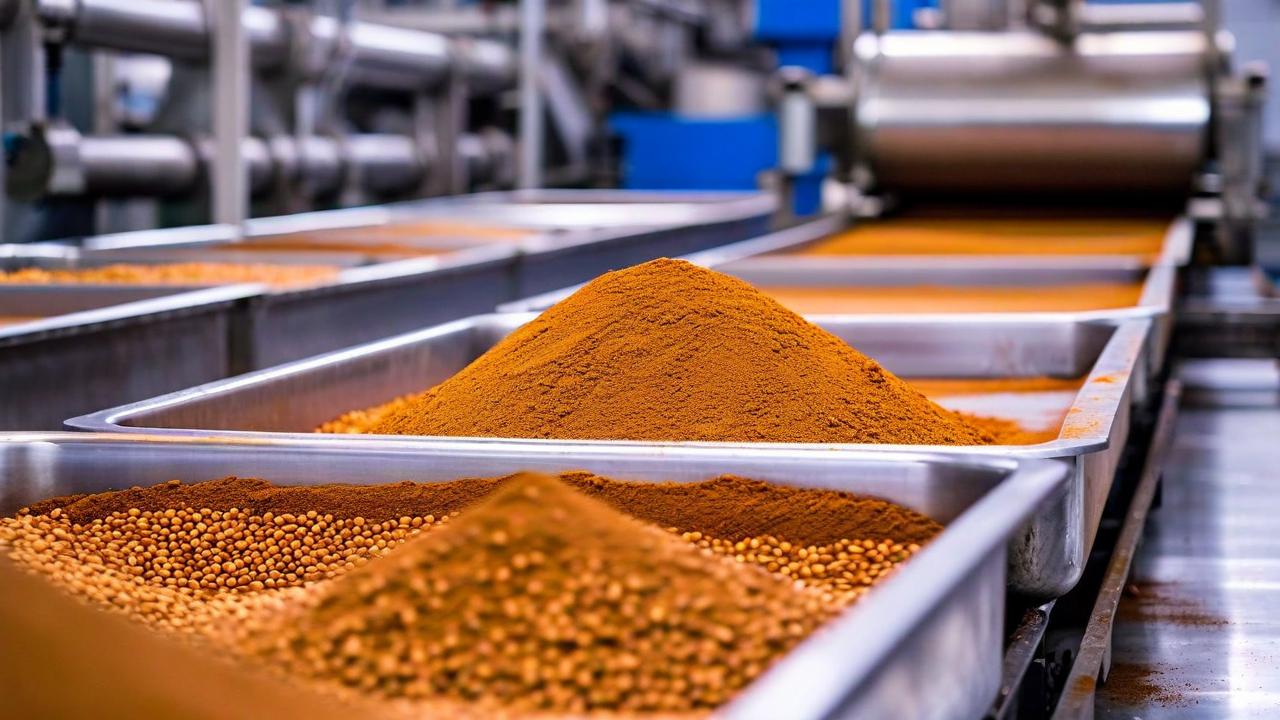

*this image is generated using AI for illustrative purposes only.
Vandan Foods reported a significant expansion in scale for the financial year ended March 31, 2026, with revenue from operations rising approximately 140% to ₹25,963.4 lakh. Despite the top-line growth, profitability contracted sharply as operating margins faced pressure from higher input costs and increased borrowing expenses.
The company's net profit after tax dropped to ₹132.37 lakh from ₹690.70 lakh in the previous fiscal year. This decline occurred even as the firm completed its Initial Public Offer (IPO) and listed on the BSE SME Platform in July 2025, raising ₹3,036.00 lakh.
Financial Performance
Revenue growth was primarily driven by the commissioning of expanded capacity at its Dhinoj facility and higher volumes of Refined F.S.G. Castor Oil and Castor De-Oiled Cake. However, the bottom line was impacted by several cost factors:
- Raw Material Costs: Firm castor seed prices compressed crushing spreads, with cost of material consumed rising to ₹17,245.02 lakh from ₹9,918.99 lakh.
- Finance Costs: Interest expenses nearly doubled to ₹178.52 lakh from ₹91.30 lakh, reflecting higher utilization of working capital limits.
- Depreciation: Charges surged to ₹153.14 lakh from ₹19.51 lakh following the capitalization of new plant and machinery.
- Other Expenses: Increased to ₹754.08 lakh from ₹358.35 lakh, including one-time IPO-related professional fees.
| Metric | FY26 | FY25 | Change |
|---|---|---|---|
| Revenue from Operations | ₹25,963.4 lakh | ₹10,819.77 lakh | +139.98% |
| Profit Before Tax | ₹182.36 lakh | ₹936.72 lakh | -80.53% |
| Net Profit After Tax | ₹132.37 lakh | ₹690.70 lakh | -80.83% |
| Earnings Per Share | ₹1.72 | ₹13.80 | -87.54% |
Balance Sheet and Capital Structure
The balance sheet size expanded to ₹11,864.07 lakh from ₹4,877.96 lakh. Shareholders' funds increased significantly to ₹4,806.83 lakh from ₹1,638.46 lakh, bolstered by the IPO proceeds. Short-term borrowings rose to ₹2,517.13 lakh from ₹1,061.05 lakh to support the larger operational scale.
Inventory levels stood at ₹6,561.02 lakh, up from ₹2,751.99 lakh, while trade receivables grew to ₹2,643.31 lakh from ₹583.73 lakh. The debt-equity ratio improved to 0.52 times from 1.12 times, indicating a stronger capital structure post-IPO.
What the Numbers Show
The divergence between revenue growth and profit contraction highlights the working capital intensity of the castor oil processing business. While revenue more than doubled, the company's ability to convert sales into cash flow was constrained by rising inventory and receivables. The sharp increase in finance costs suggests that the expanded operations are currently funded largely through debt, pressuring margins until the new capacity reaches optimal utilization efficiency.
Corporate Governance and AGM
The company will hold its 11th Annual General Meeting on September 21, 2026, via video conferencing or other audio-visual means. Key agenda items include:
- Re-appointment of Executive Director Kalpeshkumar Bhagavandas Thakkar.
- Appointment of Ankitkumar Surendrakumar Agrawal as an Independent Director.
- Approval for loans, guarantees, and investments up to an aggregate limit of ₹300 crore under Sections 185 and 186 of the Companies Act, 2013.
- Ratification of remuneration for Cost Auditors.
No dividend was recommended for FY26 as the board prioritized conserving resources for future growth.
Historical Stock Returns for Vandan Foods
| 1 Day | 5 Days | 1 Month | 6 Months | 1 Year | 5 Years |
|---|---|---|---|---|---|
| +6.87% | +6.72% | 0.0% | -22.21% | -50.21% | -80.21% |

How long will it take for the Dhinoj facility to reach optimal utilization levels sufficient to offset the increased depreciation and finance costs?
What specific hedging strategies or supply chain adjustments is Vandan Foods implementing to mitigate the volatility of castor seed input prices?
Given the sharp rise in trade receivables, what measures are being taken to improve working capital efficiency and cash conversion cycles in the upcoming fiscal year?
 19
19







 Access 50+ Readymade Screeners
  Use 200+ Custom Filters
  Get Full Market Insights





