Valencia Nutrition shareholders approve slump sale of five divisions to subsidiaries


- Shareholders approved slump sales of five divisions to dedicated subsidiaries, creating a conglomerate structure
- Management projects ₹51,787 crore revenue platform by FY32 from six subsidiaries
- Crunzzo snack consumption rose 220% YoY to 16,000 kg in southern markets
- Group plans to deploy ₹1,500 crore equity and build 97 manufacturing plants over five years

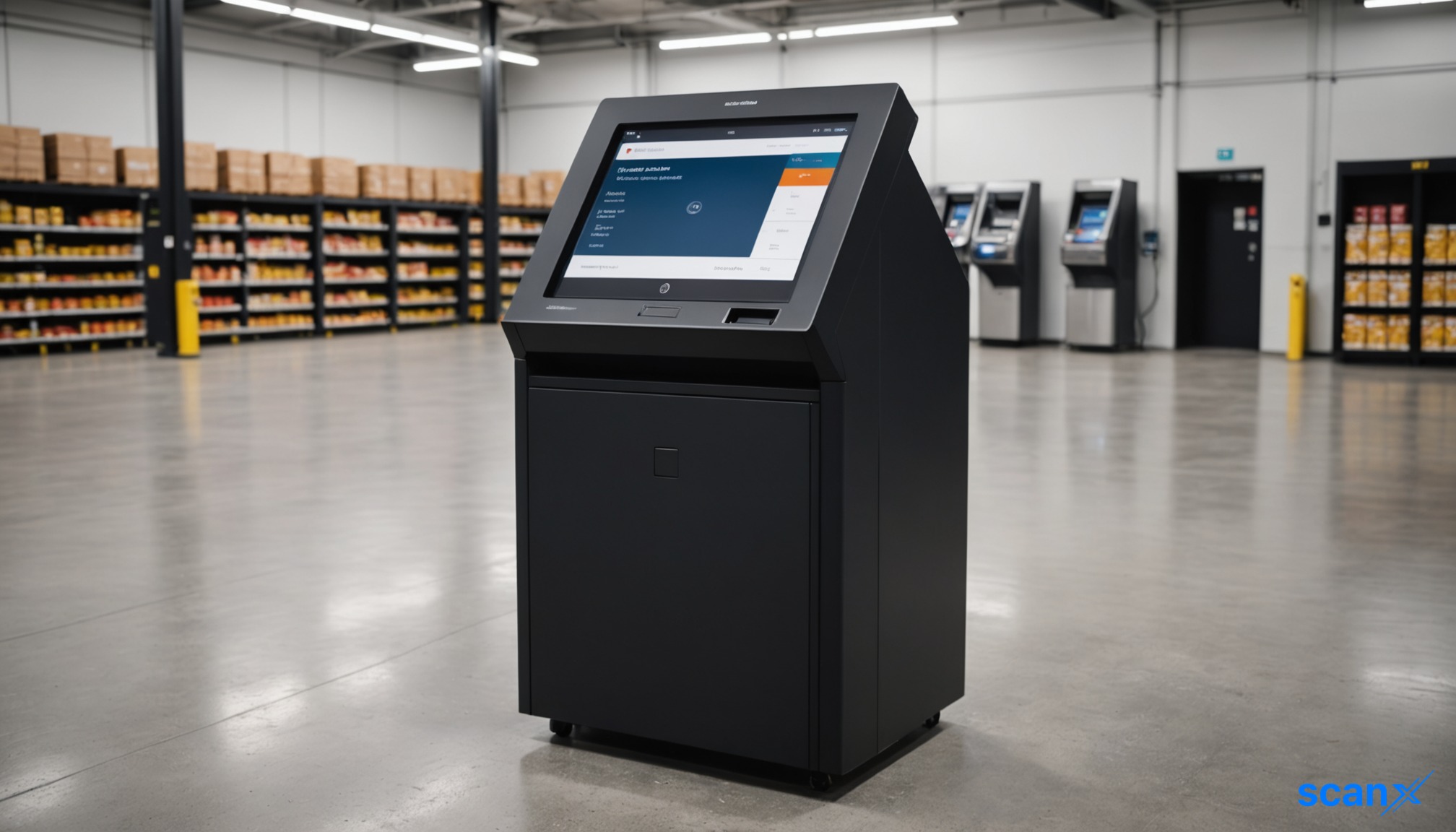

*this image is generated using AI for illustrative purposes only.
Valencia Nutrition Limited shareholders approved the transfer of five key business divisions into dedicated subsidiaries through slump sales during the 13th Annual General Meeting held on September 29, 2026. This restructuring transforms the company into a conglomerate structure, separating beverages, snacks, point-of-sale solutions, nutraceuticals, and consumer products into independent operating entities.
The approval covers the transfer of undertakings to Valencia Can Beverages Private Limited, Valencia Snacks and Healthy Bites Private Limited, Valencia POS Solutions Private Limited, Valencia Nutracare Lifesciences Private Limited, and Valencia Consumer Products Private Limited. These entities join the existing subsidiary, Valencia Beverages & Superwater, which handles the PET bottle division. The consideration for these transfers will primarily be in the form of equity shares issued by the subsidiaries to the parent company, allowing Valencia Nutrition to retain ownership while enabling focused capital raising for each vertical.
Strategic Restructuring and Conglomerate Vision
Managing Director Manish Turakhia outlined a vision to build Valencia Nutrition into an Indian conglomerate akin to Berkshire Hathaway, with a long-term horizon extending to 2045. The restructuring is designed to unlock value by allowing each subsidiary to attract strategic investors, joint venture partners, or pursue independent IPOs in the future. The group plans to deploy ₹1,500 crore in equity across these six subsidiaries, projecting a combined revenue platform of ₹51,787 crore by FY32 and accumulated retained earnings of ₹23,952 crore over five years.
The company’s strategy relies on nine shared group-level capabilities, including formulation, engineering, creative design, IT, and corporate finance, which are built once and deployed across all businesses. This model aims to combine decentralized accountability at the business level with centralized capability at the group level, ensuring economies of scale in purchasing, R&D, and brand development while maintaining operational independence for each unit.
Business Vertical Updates
During the AGM, directors presented detailed updates on each division’s progress and future plans:
- Beverages (PET & Can): The Hyderabad Unit II was inaugurated in January 2026, featuring India’s first hybrid hot-fill line. Combined capacity now stands at approximately 5.1 lakh bottles per day. The distribution network has expanded to over 150 distributors across six South Indian states. For canned beverages, the company targets the growing functional drinks market, projected to reach ₹92,940 crore by 2033.
- Snacks & Healthy Bites: Consumption of the ₹5 Crunzzo snack range rose 220% year-on-year to 16,000 kg in key southern markets. The division is expanding into bakery products and healthy snacking under the CNTRL brand, targeting a cost margin surplus of 14-16% on ₹5 packs.
- Point-of-Sale Solutions: Valencia POS Solutions launched the Aroma De Valencia ADV5 fragrance machine and is developing automated vending formats, including air-fried french fries machines. The division aims to deploy 1 lakh outlets across India within five years using IoT-enabled infrastructure.
- Nutracare Lifesciences: Established in February 2026, this division focuses on maternal and child nutrition. It has engaged with 200+ mothers and 120+ Anganwadi workers to develop products like Garbhika and Matrunayana, targeting the broader wellness economy valued at $200 billion.
- Consumer Products: This division explores everyday wellness categories, including toothpaste, mints, and confectionery, leveraging the group’s distribution channels.
Financial Projections and Capital Allocation
The management disclosed ambitious financial models for the restructured group. The planned capital deployment of ₹1,500 crore is intended to support the construction of 27 integrated beverage plants, 41 can beverage plants, and 29 nutraceutical plants over the next five years. These facilities are designed to improve cost efficiency and reach Tier 3, 4, and 5 markets.
| Metric | Projection | Timeline |
|---|---|---|
| Planned Equity Deployment | ₹1,500 crore | Across six subsidiaries |
| Projected Revenue Platform | ₹51,787 crore | By FY32 |
| Accumulated Retained Earnings | ₹23,952 crore | Over five years |
| Target Return on Equity | Above 30% | Long-term objective |
| Target Debt-to-Equity Ratio | Below 1 | Long-term objective |
What the Numbers Show
The divergence between the current scale of operations and the projected FY32 revenue highlights the aggressive nature of this expansion. With a current team size of approximately 143 employees (73 in Mumbai, 70 in Hyderabad) and recent incorporation of subsidiaries with minimal paid-up capital (₹1 lakh each), the jump to a ₹51,787 crore revenue target implies a massive scaling of operational capacity and capital intensity. The reliance on slump sales to transfer assets allows the parent company to maintain control without immediate cash outflow, but it places significant execution risk on the newly formed subsidiaries to independently attract the necessary capital and achieve the projected margins.
Historical Stock Returns for Valencia Nutrition
| 1 Day | 5 Days | 1 Month | 6 Months | 1 Year | 5 Years |
|---|---|---|---|---|---|
| -0.85% | 0.0% | -4.75% | -12.12% | -40.27% | 0.0% |

How will Valencia Nutrition address the significant execution risk of scaling from 143 employees to support a ₹51,787 crore revenue target by FY32?
What specific regulatory or market hurdles might the newly formed subsidiaries face when seeking independent IPOs or strategic investors in the next 3-5 years?
How does the planned deployment of ₹1,500 crore in equity compare to the capital requirements for constructing 97 new plants, and what financing mechanisms will bridge any gaps?
 17








 Access 50+ Readymade Screeners
 Use 200+ Custom Filters
 Get Full Market Insights