

Vale Q2FY26 Results: Pro forma EBITDA rises 19% YoY to $4.1 billion


- Pro forma EBITDA rose 19% YoY to $4.1 billion in Q2 2026
- Board approved $1.7 billion dividend and new share buyback program
- Iron ore production hit highest Q2 level since 2018; sales up 3%
- Expanded net debt fell $1.1 billion QoQ to $16.7 billion
- Bacaba copper project startup accelerated to Q3 2027

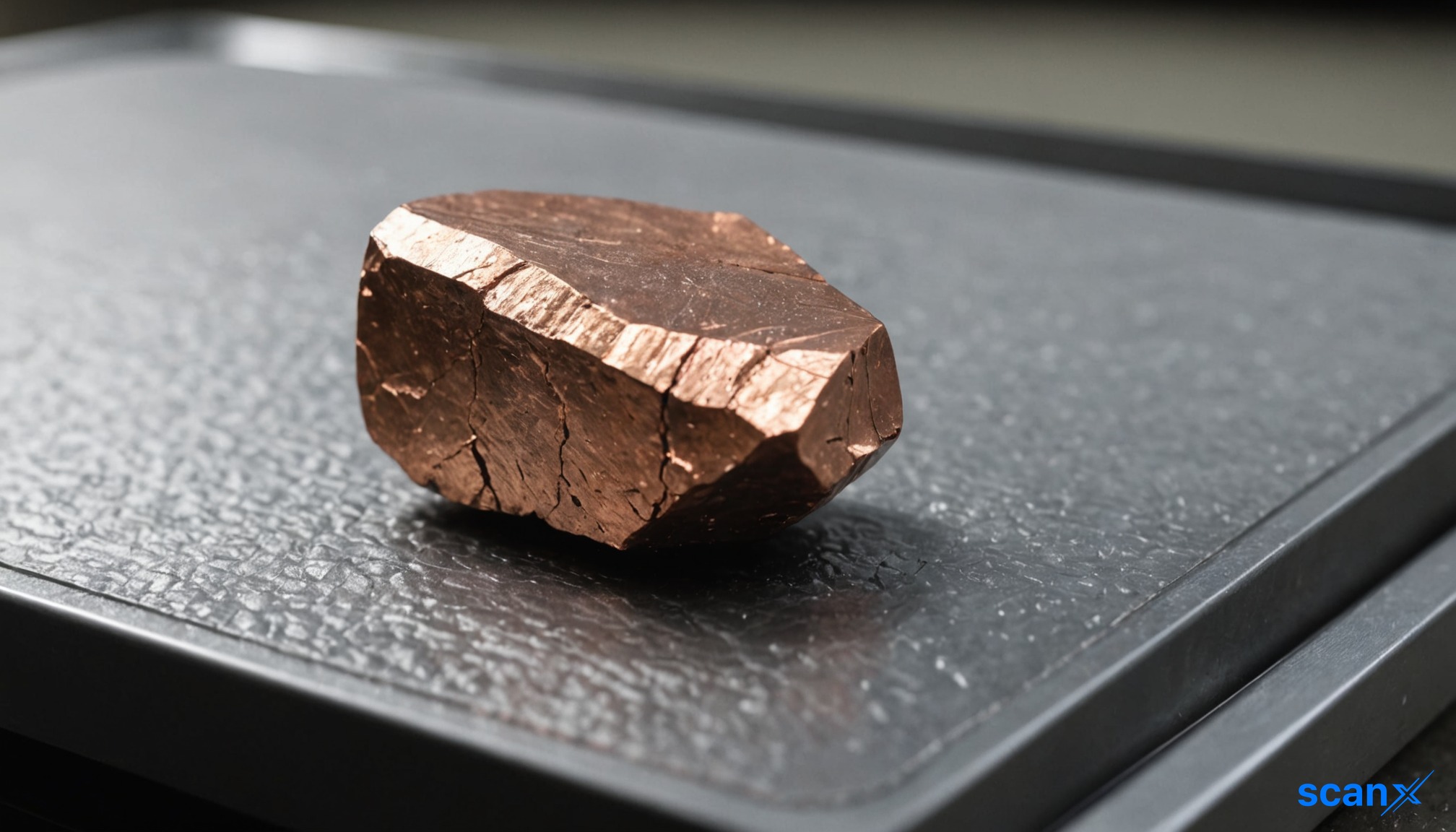

*this image is generated using AI for illustrative purposes only.
Vale (NYSE: VALE) reported a $4.1 billion pro forma EBITDA for the second quarter of 2026, marking a 19% increase year-on-year. The Brazilian mining giant attributed the growth to higher production volumes and improved price realization across its iron ore and base metals portfolios.
Financial Performance
Despite external cost pressures from rising diesel and freight rates, Vale maintained strong operational execution. The company’s C1 cash cost, excluding third-party purchases, stood at $24.10 per tonne, a 9% increase year-on-year. All-in costs reached $61.60 per tonne, up 18% from the prior year period.
| Metric | Q2 2026 | Change | Note |
|---|---|---|---|
| Pro forma EBITDA | $4.1 billion | +19% YoY | Driven by volume/price |
| C1 Cash Cost | $24.10/tonne | +9% YoY | Ex-third-party purchases |
| All-in Cost | $61.60/tonne | +18% YoY | Impacted by FX/diesel |
| Free Cash Flow | $1.5 billion | - | Includes hedge benefits |
Vale Base Metals (VBM) delivered robust results, with EBITDA totaling $1.3 billion, an increase of nearly 80% year-on-year. Copper all-in costs improved by $1,700 per tonne to reach a negative $300 per tonne, while nickel all-in costs declined 17% to $10,300 per tonne.
Capital Allocation & Balance Sheet
The Board of Directors approved $1.7 billion in dividends and interest on capital payments for September. Additionally, Vale repurchased $140 million in shares during the quarter, bringing year-to-date buybacks to $214 million. The company also authorized a new share buyback program for up to 100 million shares, equivalent to 2.3% of outstanding shares, over the next 18 months.
Expanded net debt decreased by over $1.1 billion quarter-on-quarter to close at $16.7 billion. Management expects net debt to converge toward its reference level of $15 billion in coming quarters, creating flexibility for further shareholder remuneration.
Operational Highlights
Iron ore production reached its highest second-quarter level since 2018, supported by ramp-ups at Capanema and Vargem Grande projects. Sales volumes increased 3% year-on-year. In copper, production grew 6% to mark the strongest second-quarter output in nine years, driven by record performance at Salobo and Sossego.
Vale announced an earlier startup for the Bacaba copper project, now targeting commissioning in Q3 2027, ahead of the original H1 2028 schedule. The project, with a capacity of 50,000 tons, is part of a broader strategy to double copper production to approximately 700,000 tons per year by 2035.
What the Numbers Show
While headline all-in costs rose 18% year-on-year due to external factors like Brazilian real appreciation and higher diesel prices, underlying operational efficiency gains offset part of this impact. Management noted that efficiency programs and higher production from low-cost assets contributed to a $0.50 per tonne reduction in C1 costs year-on-year. Furthermore, hedging activities provided a $100 million benefit, effectively lowering all-in costs to $60 per tonne when adjusted for oil hedges. This divergence between gross cost increases and net operational improvements highlights the value of Vale’s hedging strategy and asset mix optimization in mitigating external volatility.

How might the accelerated timeline for the Bacaba copper project impact Vale's ability to meet its 2035 target of doubling copper production to 700,000 tons?
With net debt converging toward the $15 billion reference level, will Vale prioritize further share buybacks or increase dividend payouts in upcoming quarters?
Can Vale sustain its negative copper all-in costs of -$300 per tonne if global diesel prices and freight rates continue their upward trajectory?
 16
16




 Access 50+ Readymade Screeners
  Use 200+ Custom Filters
  Get Full Market Insights





