

USAC delivers first antimony ingots under $245M DLA contract


United States Antimony Corporation delivered its first shipments of antimony metal ingots in Q2 2026 under a $245 million DLA contract, totaling ~82,000 pounds and generating $2.6 million in invoices. Total orders received since the contract's inception amount to $57.3 million, with two additional shipments pending authorization.



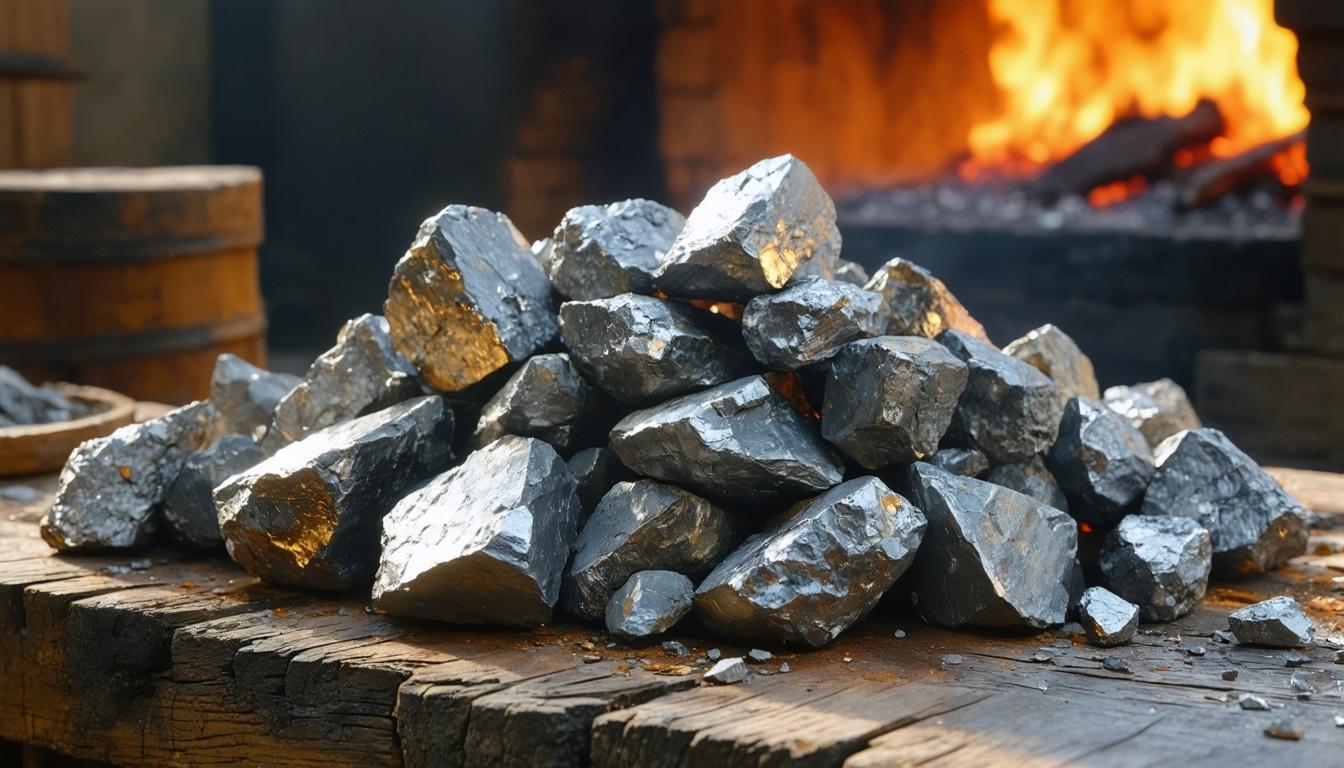
*this image is generated using AI for illustrative purposes only.
United States Antimony Corporation has successfully delivered its first shipments of antimony metal ingots during the second quarter of 2026 under a $245 million supply contract with the Defense Logistics Agency (DLA). The company delivered approximately 82,000 pounds of antimony metal ingots in the initial two shipments, generating about $2.6 million in invoices issued to the DLA in June 2026. This milestone marks the beginning of fulfillment under the significant supply agreement with the defense agency.
The DLA, an agency of the Department of Defense, has placed total antimony ingot orders amounting to $57.3 million with United States Antimony since the contract's inception. The company reported that two additional shipments are currently pending government inspection, Certificate of Analysis, and authorization to deliver.
Contract and Delivery Details
The following table outlines the key financial and operational figures related to the contract fulfillment:
| Metric | Value |
|---|---|
| Total Contract Value | $245 million |
| Total Orders to Date | $57.3 million |
| Initial Shipments (Q2 2026) | ~82,000 pounds |
| Invoices Issued (June 2026) | ~$2.6 million |
United States Antimony Corporation describes itself as the only fully integrated antimony company in the world outside of China and Russia, producing and processing antimony, zeolite, and other critical minerals.

What is the expected timeline for the remaining $187.7 million of the contract to be fulfilled?
How will United States Antimony scale production capacity to meet the full demand of the DLA agreement?
What impact will these government contracts have on the company's ability to serve commercial customers?
 20
20




 Access Market Heat-map & Insights
  Create, Save & Share your Screener
  Use 200+ Screening Filters





