US urges Apple not to buy Chinese memory chips, says WSJ

scanx
Reviewed by
Suketu GScanX News Team
Key Highlights

The US government urged Apple not to buy memory chips from Chinese suppliers, the Wall Street Journal reported on August 14. The report, described as an exclusive, did not detail which Chinese manufacturers were referenced or the form of the government's communication. The development is part of wider US efforts to limit American firms' exposure to Chinese semiconductor components.

powered bylight_fuzz_icon
48529874

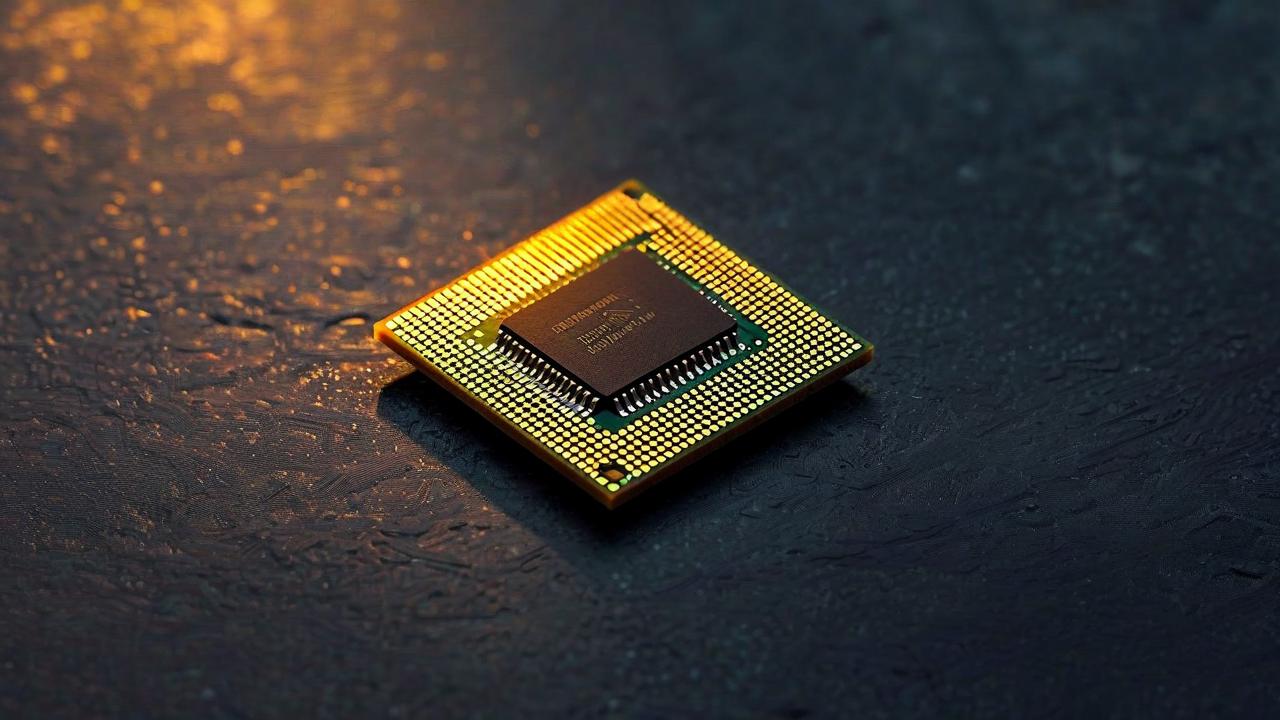
*this image is generated using AI for illustrative purposes only.

The US government has urged Apple not to purchase memory chips from Chinese manufacturers, the Wall Street Journal reported on August 14, citing an exclusive account of the development.

US pressure on Apple's chip supply chain

According to the Wall Street Journal report, US authorities communicated directly with Apple, pressing the company to refrain from sourcing memory chips from China. The report did not specify which Chinese chip suppliers were involved or the precise nature of the government's communication with Apple.

The development reflects broader US policy efforts to reduce American technology companies' dependence on Chinese semiconductor supply chains. Memory chips are a critical component in consumer electronics, including Apple's range of devices.

How might Apple's potential shift away from Chinese memory chip suppliers impact its production costs and profit margins in the coming fiscal quarters?

Could this directive accelerate the consolidation of the global memory chip market among non-Chinese manufacturers like Samsung, SK Hynix, and Micron?

What are the likely retaliatory measures China might take against US tech firms or their supply chains in response to this government pressure?

like17
dislike

Gerber urges iPhone 17 purchase ahead of potential price hike

scanx
Reviewed by
Anirudha BScanX News Team
Key Highlights

Ross Gerber advises buying the iPhone 17 now, citing strong sales despite broader price hikes. TrendForce forecasts a 38% bill-of-materials increase for the iPhone 18 Pro due to memory costs. Apple’s Q3 iPhone revenue rose to $54.25 billion from $44.58 billion.

powered bylight_fuzz_icon
48490853

*this image is generated using AI for illustrative purposes only.

Ross Gerber, co-founder and CEO of Gerber Kawasaki Wealth & Investment Management, advised consumers to purchase the iPhone 17 immediately, citing robust sales despite higher prices across Apple’s hardware lineup. Gerber noted that while current iPhone 17 pricing remains unchanged, costs are expected to rise with the launch of new models in September.

Pricing Pressure and Cost Estimates

The potential price increase stems from soaring memory costs affecting Apple’s supply chain. TrendForce estimates that the bill of materials for the 256GB iPhone 18 Pro could rise about 38% compared to the comparable iPhone 17 Pro, with memory costs driving much of the increase. Deepwater Asset Management Managing Partner Gene Munster separately predicted that Apple could raise iPhone prices by roughly $125, or 15%.

Apple has already increased prices on several other products, including MacBooks, iPads, HomePod, and Apple TV, while keeping iPhone pricing stable. The company previously warned that surging DRAM and storage costs are pressuring margins. Apple could absorb some of the increase through lower margins to limit the impact on consumers.

Current Pricing Structure

The iPhone 17 currently starts at $799 for the 256GB model in the U.S. The higher-tier models carry significant premiums.

Model: Starting Price:
iPhone 17 (256GB): $799
iPhone 17 Pro: $1,099
iPhone 17 Pro Max: $1,199

Revenue Performance

Apple’s fiscal third-quarter results highlighted continued strength in its primary revenue driver. iPhone revenue reached $54.25 billion, up from $44.58 billion a year earlier. This growth occurred even as the company navigated rising component costs and adjusted pricing on non-iPhone hardware.

What the Numbers Show

The divergence between rising component costs and stable iPhone pricing suggests Apple is prioritizing volume retention over margin preservation for its core device. With iPhone revenue growing significantly year-over-year to $54.25 billion, the strategy appears to be sustaining demand despite the broader hardware lineup facing price hikes due to memory supply constraints.

Will Apple's strategy of absorbing memory cost increases to maintain iPhone volume erode long-term profitability margins?

How might a potential 15% price hike for the iPhone 18 Pro impact consumer upgrade cycles and market share in emerging economies?

Are competitors like Samsung or Google likely to leverage Apple's pricing pressure to gain market share with more affordable flagship devices?

like18
dislike

More News on Apple