

Apple trains China-specific AI model with Alibaba to counter Huawei


Apple Inc. (NASDAQ: AAPL) has partnered with Alibaba Group Holding Ltd. (NYSE: BABA) to train a proprietary large language model for the Chinese market, marking a strategic shift from its previous reliance on third-party models. This development follows Apple receiving Chinese regulatory approval for Apple Intelligence in July after a two-year wait. The new model aims to counter local competitors like Huawei and provide Apple with greater control over AI features in its fiercely contested overseas market.



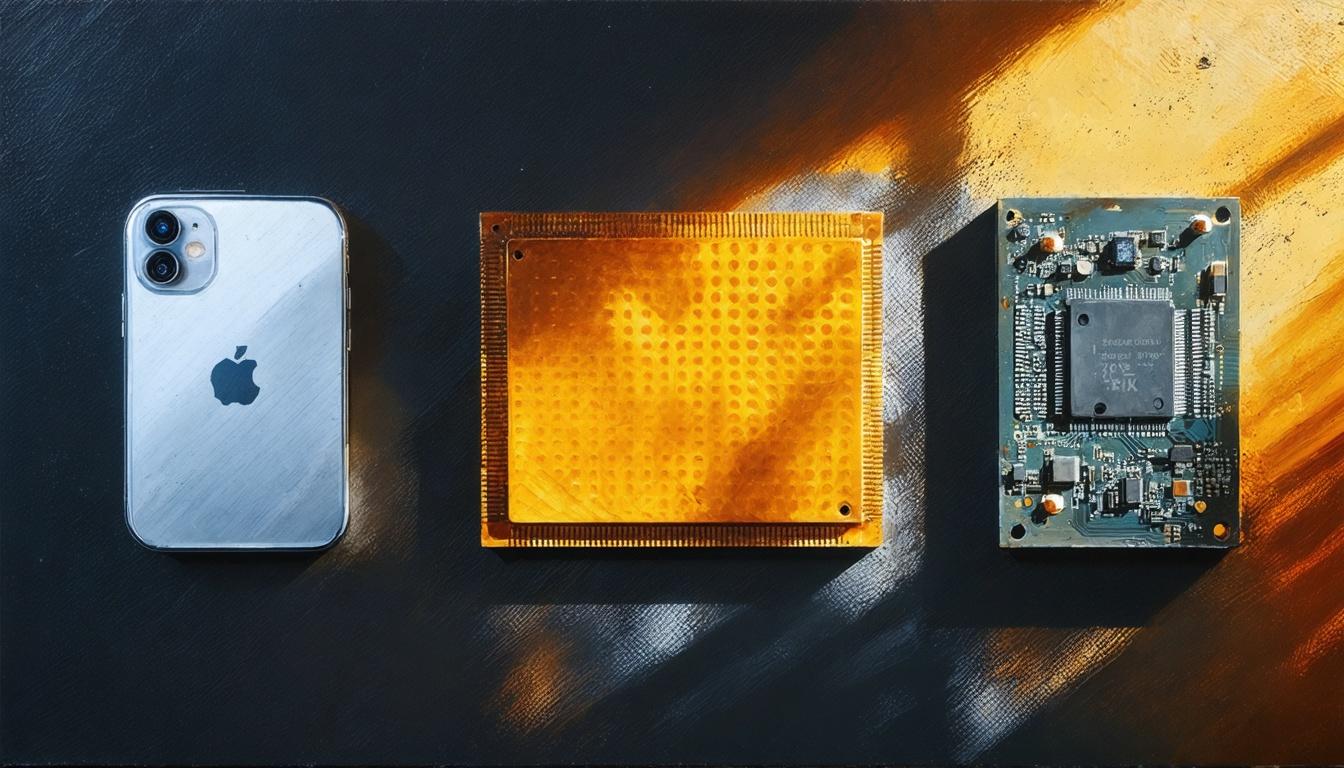
*this image is generated using AI for illustrative purposes only.
Apple Inc. (NASDAQ: AAPL) has reportedly partnered with Alibaba Group Holding Ltd. (NYSE: BABA) to create an AI model specifically designed for the Chinese market. This marks a significant shift in Apple's artificial intelligence strategy, as it moves away from relying solely on third-party models to power AI features within the country. The collaboration aims to bring generative AI features to Chinese iPhones, where global models like ChatGPT and Claude are unavailable.
According to three people familiar with the matter, the decision to train a proprietary model represents a departure from Apple's broader global approach. By working directly with Alibaba, a major Chinese technology giant, Apple seeks to tailor its AI offerings more closely to local regulatory and market requirements while exercising greater control over the AI-equipped devices it sells in China. The sources declined to be named due to the sensitive and non-public nature of the information.
Strategic Shift in AI Partnership
This is the first time that Apple is training its own China-specific AI model rather than relying solely on local partners. The move aims to help Apple maintain competitiveness in the Chinese smartphone market, where it has been losing traction to domestic rivals like Huawei. Reuters reported that this development follows Apple receiving Chinese regulatory approval for Apple Intelligence in July, ending a wait that began with the feature's launch in 2024.
China's cyberspace regulator approved Apple's generative AI services alongside AI offerings from Huawei, Xiaomi, Vivo and Oppo. Alibaba said its Qwen AI will be integrated into Apple Intelligence across iOS, iPadOS, macOS and visionOS for users in China. This partnership highlights the increasing importance of localized AI solutions in navigating complex regulatory environments while delivering competitive consumer features.
Key Developments
- Model Development: Apple trained a China-specific LLM with technical support from Alibaba Group.
- Strategic Control: The in-house trained model provides Apple with enhanced oversight over AI functionalities on devices sold in China.
- Future Rollout: A suite of AI tools powered by this model is expected to launch in the coming months, potentially coinciding with new iPhone launches in September.
- Regulatory Context: Apple Intelligence received approval in July after a two-year wait, following brief appearance on Chinese iPhones in March that triggered scrutiny.
What the Numbers Show
The integration of Alibaba's Qwen AI, particularly its Qwen3.8 Max-Preview model with 2.4 trillion parameters, into Apple's ecosystem represents a significant technological commitment. This model is considered comparable to leading frontier AI models, second only to Anthropic's Claude Fable 5. The dual-track approach to AI implementation could position Apple as the first foreign company to receive Beijing's approval to offer a proprietary AI model in the country, potentially circumventing the regulatory hurdles that have hindered many other U.S. tech firms in China.
Reuters also reported that earlier this month, Apple published then deleted a guide showing eligible Mac users in China how to connect Alibaba's Qwen AI with Siri and Writing Tools, potentially boosting its position in China's AI PC market. Apple and Alibaba did not immediately respond to requests for comments.

How might Apple's proprietary AI model in China impact its competitive standing against domestic rivals like Huawei and Xiaomi in the upcoming smartphone cycle?
What are the potential long-term risks for Alibaba if its Qwen AI technology becomes deeply integrated into Apple's global ecosystem, potentially creating a dependency or conflict of interest?
Could this dual-track AI strategy (global vs. China-specific) create fragmentation in Apple's software ecosystem, and how might that affect developer experience and user consistency?
 19
19













 Access Market Heat-map & Insights
  Create, Save & Share your Screener
  Use 200+ Screening Filters





