

United States Antimony commissions Thompson Falls smelter in May


United States Antimony Corporation commenced the commissioning of its Thompson Falls antimony smelter in May, starting with the first of nine gas-fired furnaces. Five furnaces are expected to be commissioned by the end of the week, with the full suite of nine furnaces anticipated to be operational by month end pending the delivery of necessary components.

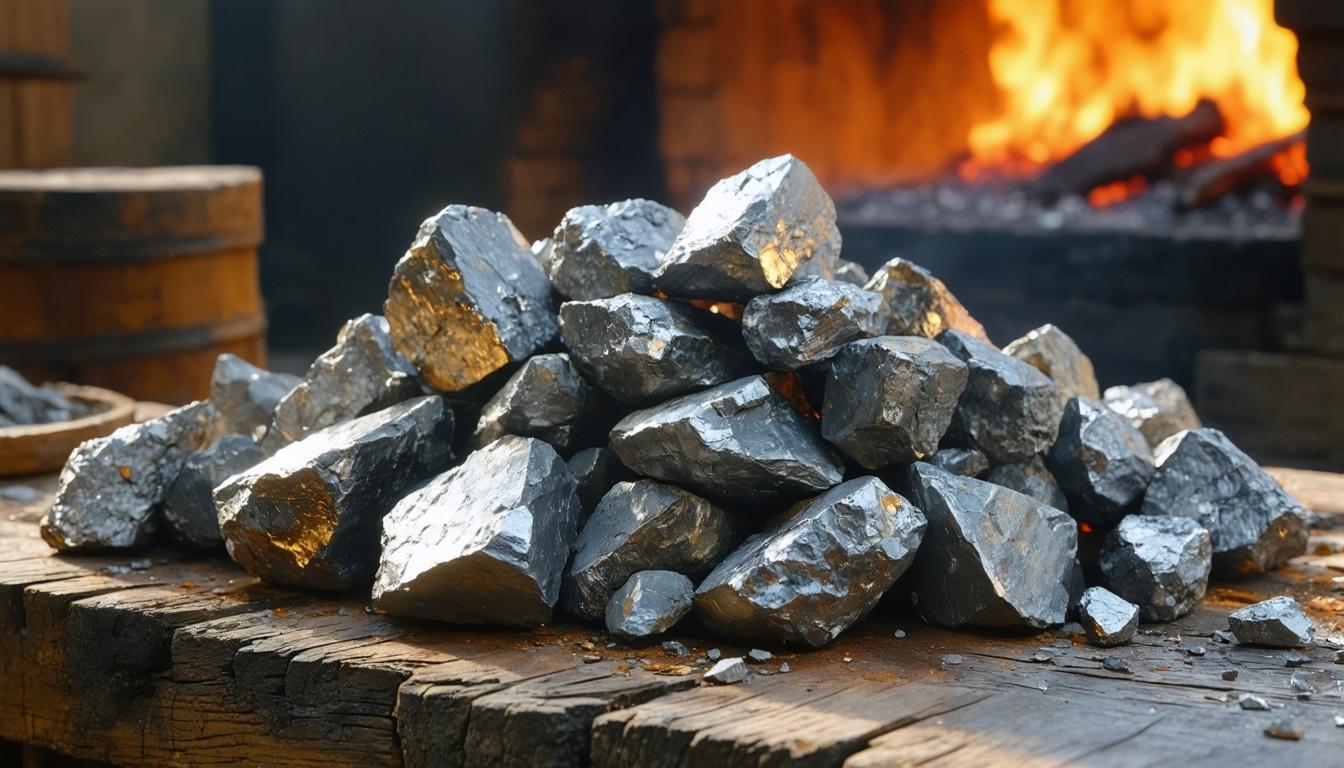

*this image is generated using AI for illustrative purposes only.
United States Antimony Corporation has begun commissioning its newly constructed Thompson Falls antimony smelter in May, marking a significant step in its operations as the only fully integrated antimony company outside of China and Russia. The process initiated by firing the first of nine new state-of-the-art gas-fired furnaces, with five units anticipated to be commissioned by the end of this week. This development is critical for the company's production capacity of antimony, zeolite, and other critical minerals.
The commissioning process involves rotating the furnaces to ensure proper operation and quickly resolve any initial issues. The company has identified minor modifications and fixes, which are being applied daily to each new furnace as the process continues. These adjustments are part of the standard procedure to optimize performance before full-scale operations begin.
As additional internal parts and heat exchangers are delivered by third-party contractors to the property over the next few weeks, the entire new addition comprising nine furnaces is anticipated to be fully operational by the end of the month. The timely delivery and installation of these components are essential for meeting the projected timeline.
Commissioning Timeline
| Milestone | Details |
|---|---|
| Process Start | Firing of the first furnace in May |
| Immediate Goal | Commissioning of five furnaces by week's end |
| Full Operational Target | Nine furnaces running by month end |
| Key Dependency | Delivery of internal parts and heat exchangers |

How will the increased production capacity impact global antimony prices given the current market dominance of China and Russia?
What are the potential supply chain risks associated with relying on third-party contractors for critical components like heat exchangers?
Could this development prompt other countries to invest in domestic antimony production to reduce reliance on China and Russia?
 16
16




 Access 50+ Readymade Screeners
  Use 200+ Custom Filters
  Get Full Market Insights





