

Uber fares up 53%, wait times rise 19% in three years: Study


- Uber prices per mile rose 53% between Q1 2023 and Q1 2026
- Wait times after driver matching increased 19% in the same period
- Study analyzed 37,500 trips across six US cities including Miami and Dallas
- Uber announced 3,300 job cuts (10% of workforce) amid AI-era restructuring
- Company plans to commit over $10 billion to autonomous vehicle technology

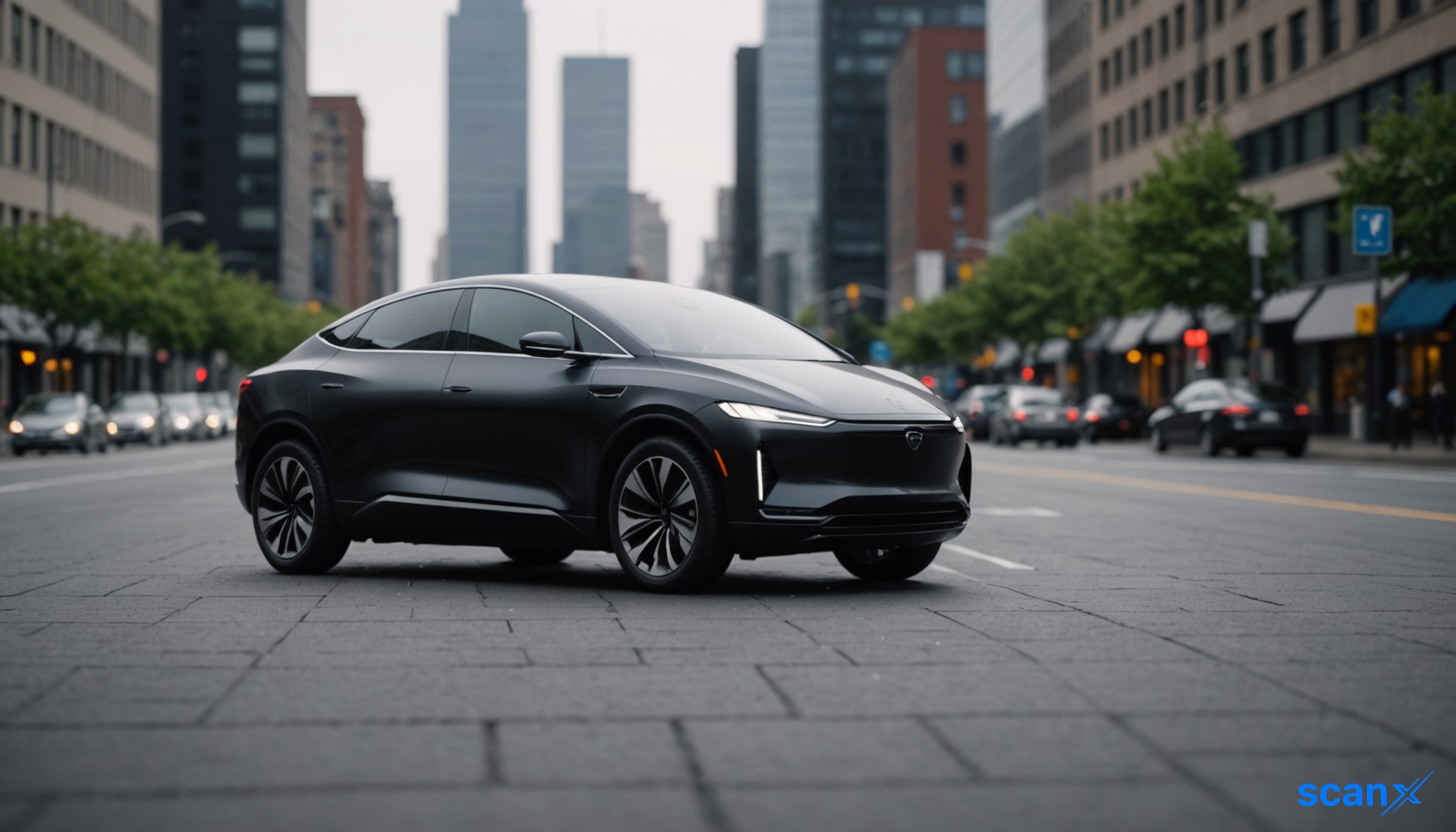

*this image is generated using AI for illustrative purposes only.
A new study indicates that Uber Technologies Inc. riders are paying significantly more while experiencing longer wait times. Analysis by Len Sherman, a Columbia Business School executive and adjunct professor, found that prices per mile rose 53% and the time between driver matching and arrival increased 19% between Q1 2023 and Q1 2026.
The findings, cited in a Business Insider report, suggest a shift in the ride-hailing service's economics. Sherman argues that Uber is charging riders more while paying drivers less. However, Uber denied these claims, stating that the notion of maximizing profits by increasing its take from fares is false.
Study methodology and geographic scope
Sherman’s analysis relies on driver data and excludes the time riders spend waiting to be matched with drivers on the platform. The study compiled data from 37,500 trips across six US cities: Miami, Buffalo, Atlanta, Dallas, Houston, and Tampa.
Wait times increased in five of the six cities during the study period. Tampa was the sole exception, where wait times declined slightly. Sherman suggests that rising wait times could impact Uber’s relationship with its customer base.
| Metric | Change (Q1 2023 to Q1 2026) | Cities Analyzed |
|---|---|---|
| Price per mile | +53% | Miami, Buffalo, Atlanta, Dallas, Houston, Tampa |
| Wait time (post-match) | +19% | Miami, Buffalo, Atlanta, Dallas, Houston, Tampa |
Corporate restructuring and autonomous expansion
The pricing scrutiny coincides with significant operational changes at Uber. The company, led by Dara Khosrowshahi, announced last month that it is cutting about 3,300 jobs, representing 10% of its workforce. This restructuring aims to simplify operations and redirect resources toward growth, innovation, and autonomous mobility.
Investor Ross Gerber, co-founder of Gerber Kawasaki Wealth Management, characterized the layoffs as the first victims of the AI era. Simultaneously, Uber is expanding its autonomous driving pursuits through partnerships with automakers and technology firms. The company expects to commit more than $10 billion over the coming years to bring autonomous vehicles to market at scale. Uber also plans to begin offering Robotaxis on its platform in Japan in late 2026.
What the numbers show
The divergence between a 53% increase in price per mile and a 19% increase in wait times highlights a potential efficiency gap or value proposition shift for consumers. While costs have risen sharply, the service speed has deteriorated moderately. This combination suggests that riders are receiving less value per dollar spent compared to Q1 2023, assuming constant trip distances. The data does not specify if the fare increase correlates with higher driver earnings or increased platform fees, leaving the distribution of the additional revenue unclear.

How might the 53% rise in per-mile costs influence Uber's competitive positioning against public transit and other ride-hailing alternatives in the coming year?
What specific regulatory hurdles could Uber face if driver earnings continue to lag behind significant fare increases?
Will the planned $10 billion investment in autonomous vehicles accelerate or delay the timeline for achieving profitability on robotaxi services?








 Create Custom Screeners
  Access 200+ Pre-built Filters
  Use 50+ Readymade Screener





