

Uber ordered to pay $40 million in fatal accident case


- Retired Judge Richard A Stone ordered Uber to pay $40 million to Emily Normandin-Parker's parents
- Ruling rejected Uber's technology platform defense, holding it liable as a common carrier
- Award includes $20 million each for Carol Normandin and Ken Parker for wrongful death
- Judge found Uber failed to review prior safety complaints against the driver involved
- Uber attempted to enforce confidentiality on the families with $10 million penalty threats


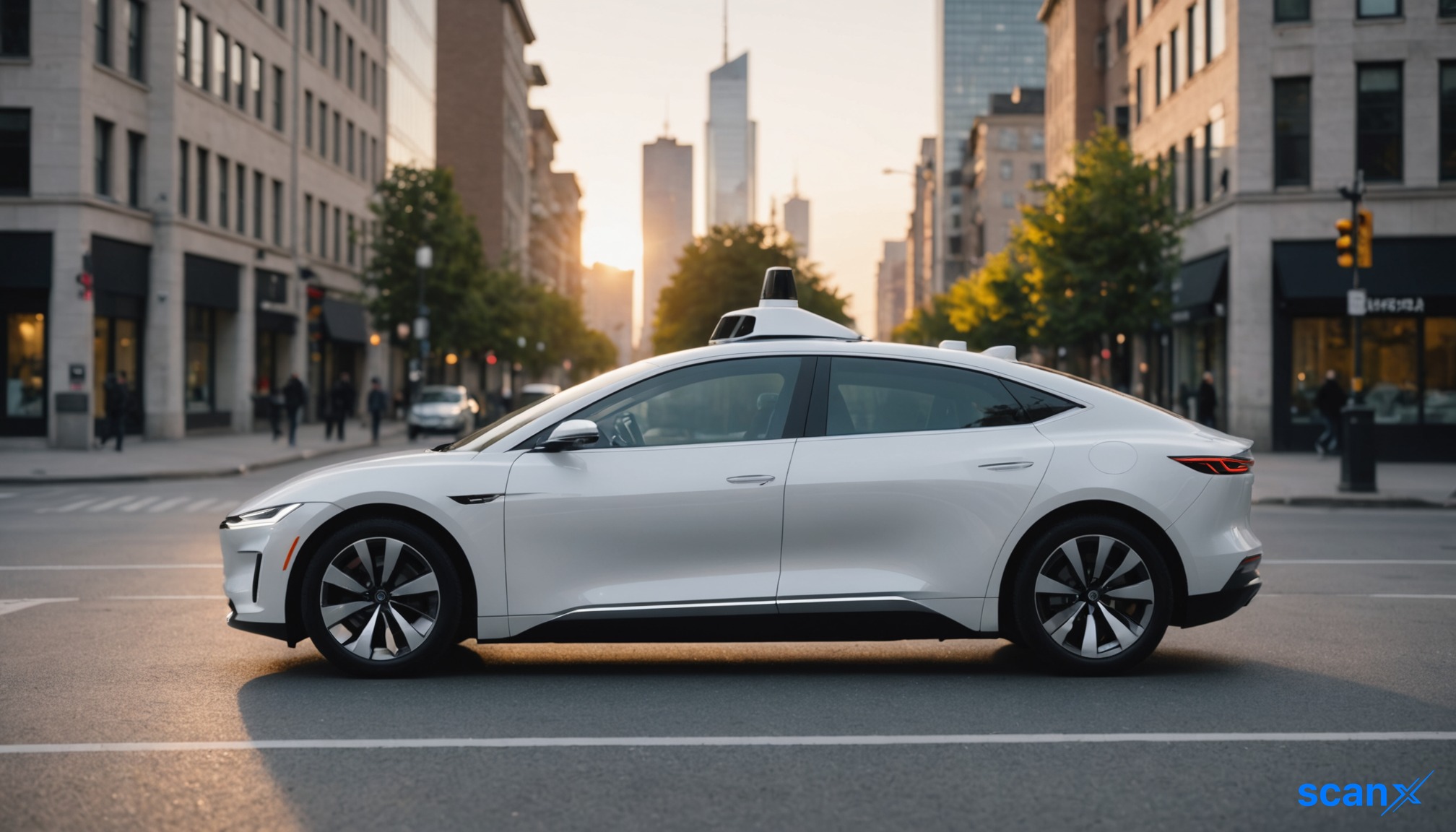
*this image is generated using AI for illustrative purposes only.
A retired California judge has ordered Uber Technologies Inc to pay $40 million to the parents of Emily Normandin-Parker, rejecting the company's defense that it operates merely as a technology platform. The ruling holds Uber liable as a common carrier with a non-delegable duty to protect passengers.
Arbitration Outcome
Retired Judge Richard A Stone issued the decision following a five-day arbitration. He concluded that Uber effectively offers transportation services, controls key aspects of the rider experience, sets fares, and profits directly from rides. The judge expressly rejected Uber's contention that it is only a software platform connecting riders with independent drivers.
The award allocates $20 million each to Carol Normandin and Ken Parker for the wrongful death of their daughter. The ruling also determined that Proposition 22 does not shield Uber from vicarious liability for the negligence of its drivers.
Incident Details
The arbitration arose from the August 12, 2023 death of Emily Normandin-Parker, a 23-year-old UCLA graduate. Evidence presented showed that Uber driver Vu Tran illegally stopped on a freeway gore point on State Route 73 after Emily's friend became sick during the ride. Tran demanded payment for a cleaning fee and ordered the two intoxicated women out of the vehicle.
Emily was left stranded alongside multiple lanes of freeway traffic, where she was struck by several vehicles and killed. Judge Stone found Tran's testimony largely incredible, noting he needlessly placed passengers in danger and showed more concern for his car than for their safety. Tran left the scene without rendering aid or calling 911.
Safety Policy Concerns
Evidence revealed that Uber had received multiple prior complaints about Tran's reckless behavior, including one report describing him as providing the least safe ride experienced by a customer. Despite assurances to customers that his account was under review, Uber did not conduct any review of these incidents. The company followed a corporate policy stating it would only review safety complaints if they resulted in a citation or death, or if enough complaints were received regardless of severity.
Judge Stone expressed concern with Uber's broader approach to rider safety, warning that the company should learn from this incident and revise its policies. He stated that failure to do so would proceed at Uber's own substantial risk.
Post-Award Actions
After the award was issued, Uber filed a motion in Orange County Superior Court seeking to compel confidentiality for both the proceedings and the award. The company proposed a settlement agreement that would have prevented Normandin and Parker from making truthful statements about Uber's connection to Emily's death, threatening a $10 million liquidated damages penalty for each violation. The parents refused the blanket confidentiality terms.
The family intends to use the proceeds to fund The Emily Normandin-Parker Foundation, established to honor Emily's memory and advocate for stronger rideshare safety protections.

How might this ruling establish a legal precedent that challenges the 'technology platform' defense used by other gig economy companies like Lyft or DoorDash?
What specific regulatory changes or legislative actions could California lawmakers pursue to codify rideshare companies' liability as common carriers following this arbitration?
Will Uber's attempt to enforce confidentiality clauses in settlement agreements face increased judicial scrutiny or public backlash in future litigation cases?
 19
19








 Access Market Heat-map & Insights
  Create, Save & Share your Screener
  Use 200+ Screening Filters





