

TVS Motor Launches Armado 200 Three-Wheeler for Commercial Use in Indonesia


TVS Motor Company launched the TVS Armado 200 three-wheeler in Indonesia on April 8, 2026, featuring a 197.75 cc oil-cooled engine with 15.5 Nm maximum torque and 840 kg payload capacity. The vehicle is available in three colors at an introductory price of IDR 34,900,000 (OTR Jakarta), manufactured at the TVS Karawang Plant with a 3-year or 30,000 km engine warranty. The launch targets Indonesia's commercial and logistics sectors, with partnerships including AGRINAS and Merah Putih Co-operatives initiatives.


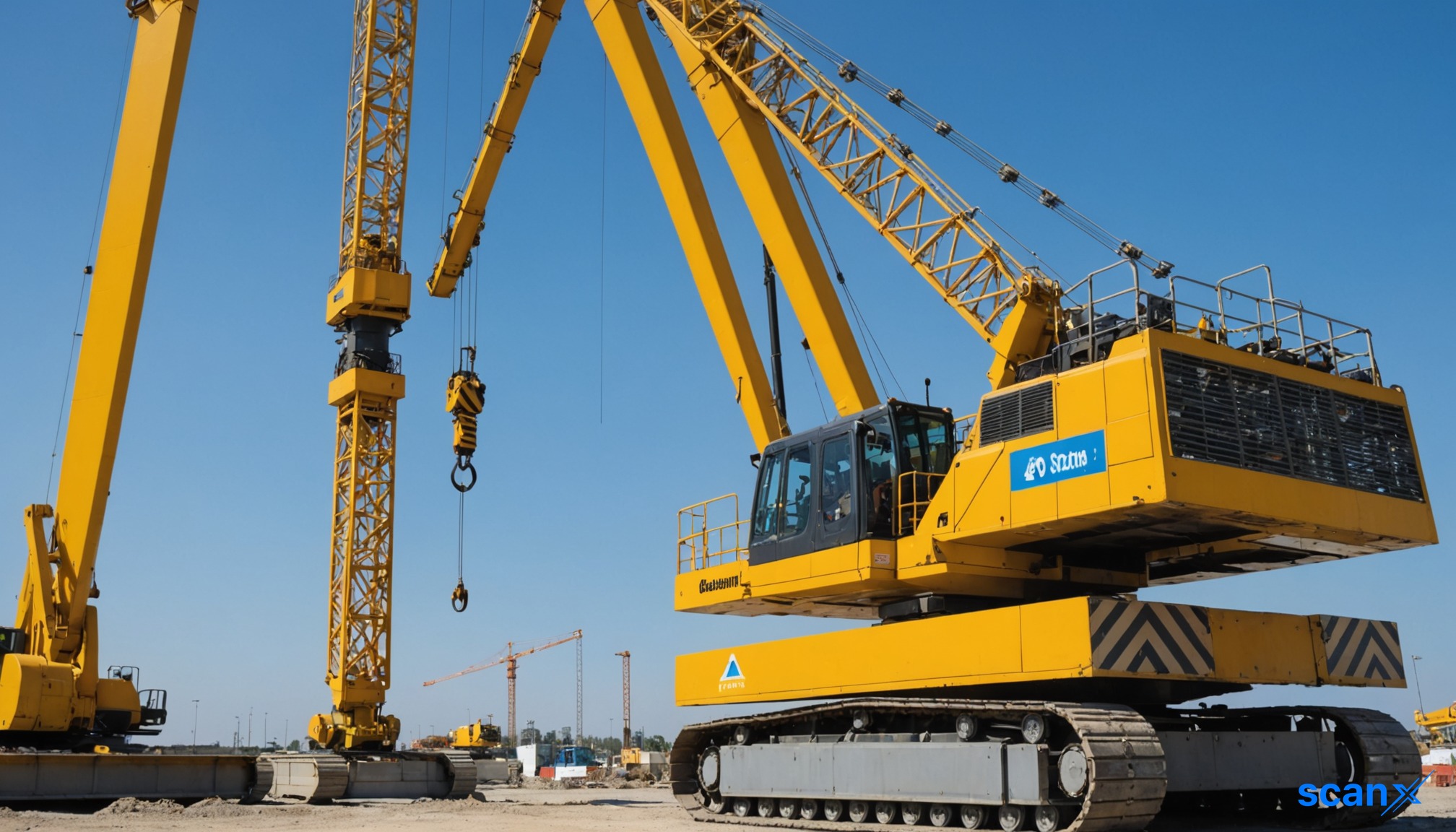
*this image is generated using AI for illustrative purposes only.
TVS motors has launched the TVS Armado 200 three-wheeler in Indonesia on April 8, 2026, positioning it as a game-changer for the country's rapidly growing commercial and logistics industries. The new vehicle is engineered specifically for demanding commercial applications and challenging terrain conditions.
Product Specifications and Performance
The TVS Armado 200 is powered by a robust 197.75 cc oil-cooled spark-ignition engine designed for long operating hours and high-demand applications. The vehicle delivers exceptional performance with specific technical capabilities tailored for commercial use.
| Technical Parameter: | Specification |
|---|---|
| Engine Type: | Spark-Ignition, 197.75 cc, Vertical Cylinder |
| Max Power: | 10.6 kW / 7,500 rpm |
| Max Torque: | 15.5 Nm / 5,000 rpm |
| Transmission: | 5-Speed Manual |
| Fuel Tank Capacity: | 16 Liters |
| Overall Dimensions: | 3,617 x 1,360 x 1,627 mm |
| Cargo Bed Dimensions: | 2,070 x 1,310 x 670 mm |
| Ground Clearance: | 230 mm |
| Payload Capacity: | Up to 840 kg |
Key Features and Design
The TVS Armado 200 features a 2-meter cargo bed with a best-in-class payload capacity of up to 840 kg, making it one of the highest-capacity vehicles in its class. The oil-cooled engine system ensures superior operational resilience and easier maintenance compared to liquid-cooled alternatives. The vehicle is designed for all-terrain comfort with leaf-spring suspension with dampers, ergonomic seating, and a padded backrest, along with a USB charging port to support modern operators' digital needs.
Pricing and Availability
The three-wheeler is available in three color options and comes with competitive pricing structure during the launch period.
| Commercial Details: | Information |
|---|---|
| Available Colors: | Blue, Red, and White |
| Normal Price: | IDR 35,900,000 |
| Introductory Price: | IDR 34,900,000 (OTR Jakarta) |
| Warranty: | 3 years or 30,000 km (engine) |
| Manufacturing Location: | TVS Karawang Plant |
Strategic Market Position
According to Peyman Kargar, President, International Business – TVS Motor Company, the commercial cargo three-wheeler market continues to show strong and sustainable potential. He emphasized that the TVS Armado 200 represents a strategic, locally developed product, stating that from initial design sketches to final assembly at the TVS Karawang Plant, the vehicle reflects TVS Motor's commitment to local engineering excellence and long-term investment in this segment.
Partnership Initiatives
In line with national development priorities, TVS Motor is supplying the AGRINAS and Merah Putih Co-operatives initiative with TVS Armado vehicles. This partnership underscores the brand's commitment to strengthening Indonesia's economic value chain—from local manufacturing and employment to boosting productivity in suburban and rural areas.
Historical Stock Returns for TVS Motors
| 1 Day | 5 Days | 1 Month | 6 Months | 1 Year | 5 Years |
|---|---|---|---|---|---|
| -1.38% | -4.04% | -5.01% | +12.56% | +11.82% | +621.69% |

How will TVS Motors' expansion into Indonesia's three-wheeler market impact its competitive position against established players like Bajaj and Mahindra in Southeast Asia?
What are TVS Motors' production capacity targets at the Karawang Plant, and will they consider expanding manufacturing to other Southeast Asian countries?
Could the success of the Armado 200 lead to TVS developing electric variants to align with Indonesia's green transportation initiatives?
 19
19





 Create Custom Screeners
  Access 200+ Pre-built Filters
  Use 50+ Readymade Screener





