

Ternium Q2FY26 Results: Adjusted EBITDA rises 50% sequentially to $700m


- Adjusted EBITDA rose 50% sequentially in Q2 2026, with margins expanding to 16.5%
- Net debt reduced to $112 million from a net cash position of $327 million in March
- Consolidated steel shipments increased 4% sequentially, led by gains in Mexico
- Capital expenditures expected to decline to ~$1.2 billion in 2027 as investment cycle peaks
- First-half net income totaled $837 million, yielding $2.84 per ADS

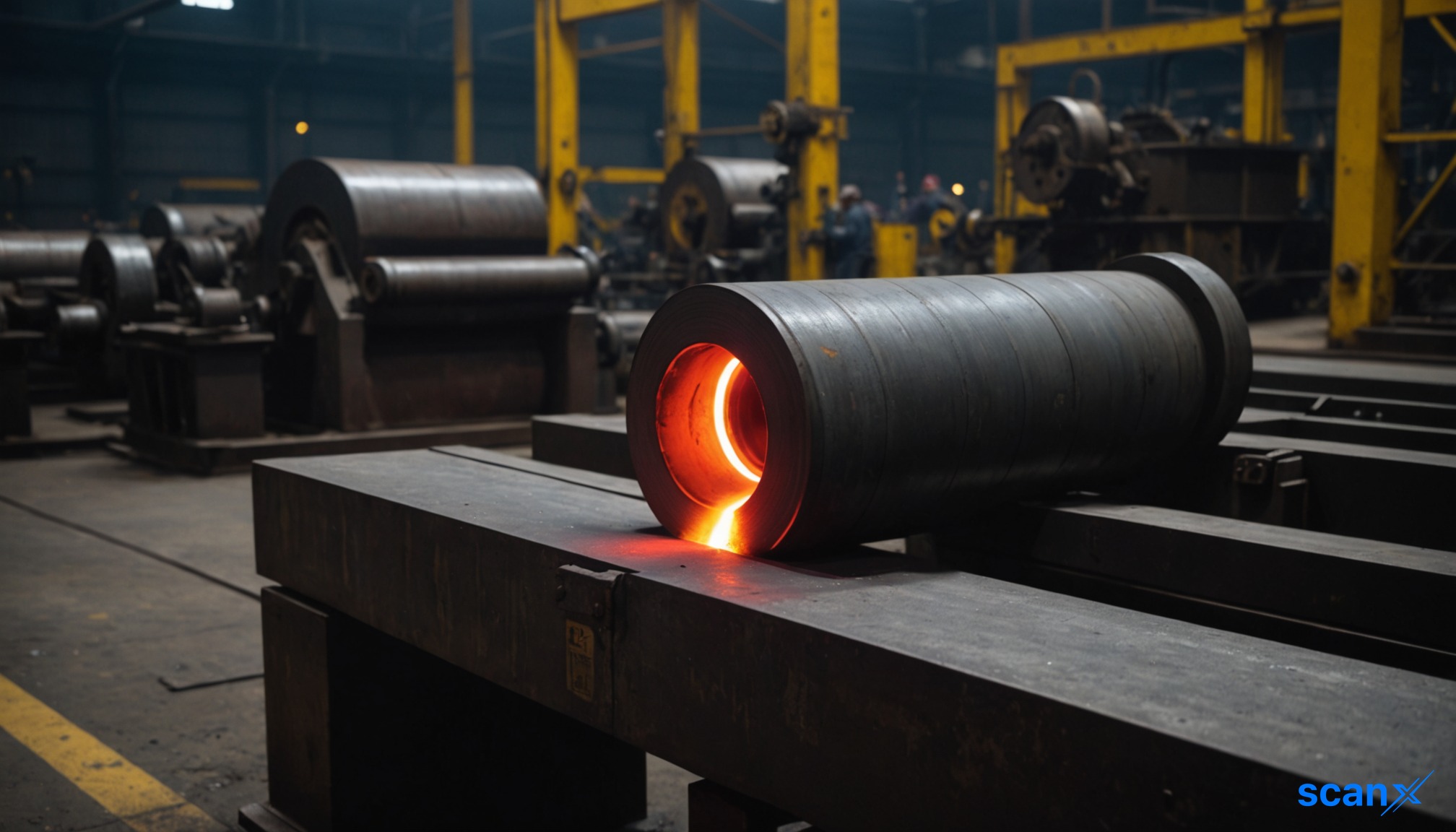

*this image is generated using AI for illustrative purposes only.
Ternium (NYSE: TX) reported a 50% sequential increase in adjusted EBITDA for the second quarter of 2026, driven by higher shipments and expanded margins in Mexico and Brazil.
The steelmaker’s balance sheet strengthened significantly, with net debt falling to $112 million from a net cash position of $327 million at the end of March. Net income reached $465 million in the quarter.
Financial Performance
Adjusted EBITDA margin expanded to 16.5% from 12.2% in the first quarter. This improvement was primarily driven by higher realized steel prices in Mexico and Brazil. Steel cash operating income rose by $240 million sequentially due to volume growth and better price realization per tonne.
In the mining segment, iron ore shipments normalized following a seasonal recovery in Brazil. However, cash operating income declined slightly as lower realized prices were only partially offset by higher sales volumes.
| Metric | Q2 2026 | Q1 2026 / Prior | Change |
|---|---|---|---|
| Adjusted EBITDA Margin | 16.5% | 12.2% | +430 bps |
| Net Income | $465 million | N/A | N/A |
| Net Debt Position | $112 million | $327 million (net cash) | Improved |
| Consolidated Shipments | N/A | N/A | +4% sequentially |
What the Numbers Show
The divergence between operating performance and cash flow highlights working capital pressure. While operating results improved significantly, cash from operations totaled just $473 million for the first half, a year-over-year decline. Management attributed this to a $418 million buildup in working capital during the quarter, driven by higher inventory values and receivables associated with rising steel prices and raw material costs. This suggests that despite strong top-line momentum, liquidity is being absorbed by operational scaling rather than retained as free cash flow in the short term.
Market Dynamics and Outlook
In Mexico, shipments increased supported by restocking along the value chain and lower imports due to effective trade defense measures. The commercial market improved, while industrial demand remained cautious amid Section 232 tariffs. Management expects shipments to continue recovering in the third quarter, driven by sustained commercial momentum.
In Brazil, sales volumes were broadly steady as Usiminas focused on margin expansion rather than volume growth. Trade defense measures advanced, with the steel quota system renewed until June 2027.
Capital Allocation and Projects
Capital expenditure is projected to moderate to around $1.2 billion in 2027, down from an expected $1.6 billion for full-year 2026, as the investment cycle in Mexico concludes. The Pesquería project continues to progress, with the new slab facility startup expected in early 2027. This capacity aims to provide low-carbon steel for the automotive industry, aligning with Ternium’s revised 2030 decarbonization target to reduce emissions intensity by 50% using 2024 as the base year.
The company paid a dividend of $255 million in the quarter, representing the balance of the fiscal year 2025 payout. Management indicated that future dividend increases are possible if sustained earnings improvements continue alongside reduced capital expenditures.

How might the projected reduction in capital expenditure to $1.2 billion in 2027 impact Ternium's free cash flow generation and potential for accelerated debt repayment?
What are the specific risks to the Pesquería project's early 2027 startup timeline, and how could delays affect the company's 2030 decarbonization targets?
Given the working capital buildup of $418 million, what strategies is management employing to normalize cash flow from operations in the second half of the year?
 20
20



 Access Market Heat-map & Insights
  Create, Save & Share your Screener
  Use 200+ Screening Filters





