

Telefonica Brasil Q2FY26 Results: Net profit up 17.9% YoY to R$2.8 billion


- Net income rose 17.9% YoY to R$2.8 billion in H1 2026
- Revenue grew 7.6% YoY with EBITDA margin expanding to 41.8%
- Fiber connections increased 11.3% to 8.2 million homes
- New business revenues surged 33.6%, led by electronics and health
- Shareholder remuneration up 32% YoY to R$7 billion in H1

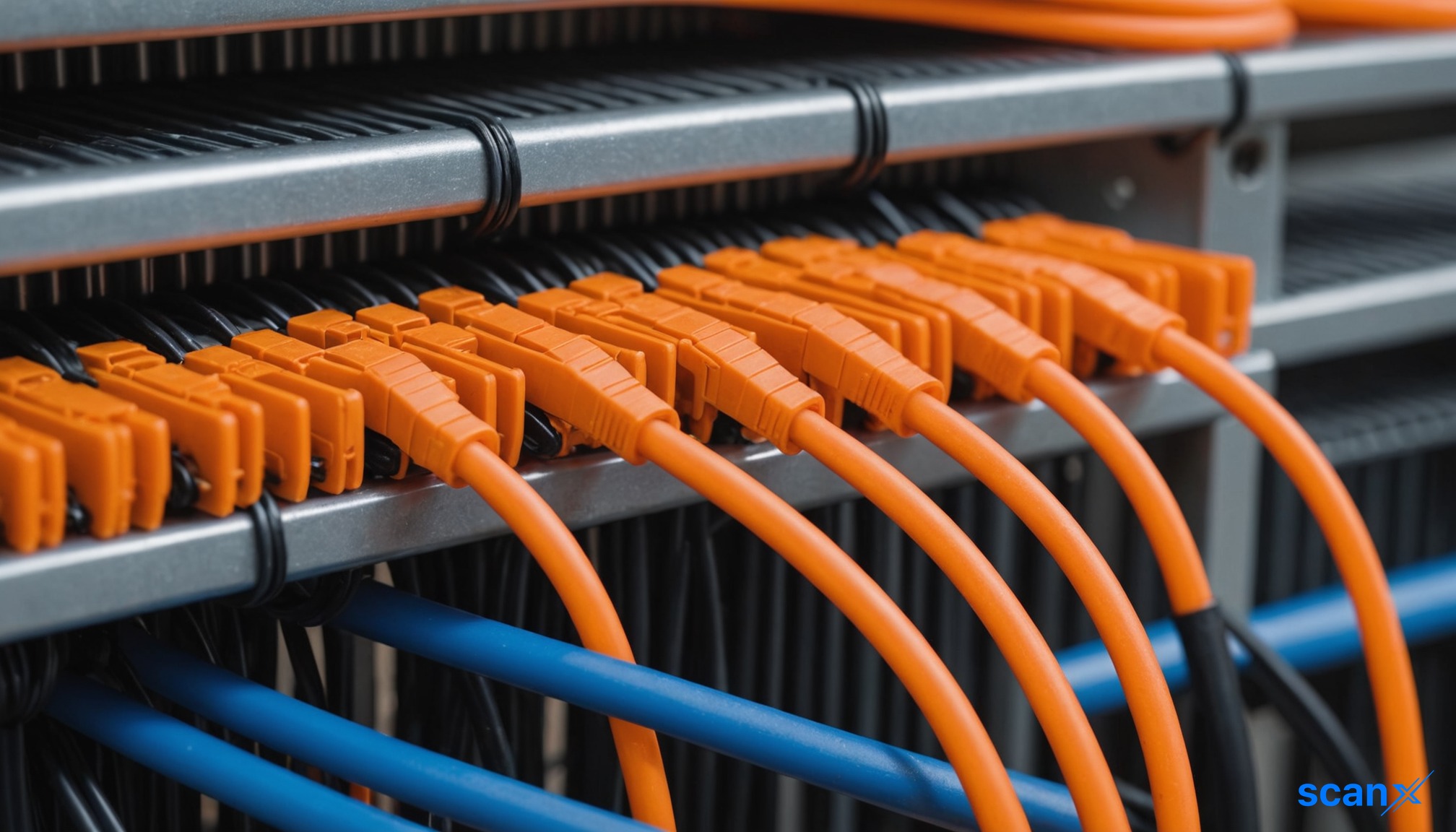

*this image is generated using AI for illustrative purposes only.
Telefonica Brasil (NYSE: VIV) delivered a 17.9% year-over-year rise in net income to R$2.8 billion for the first half of 2026, driven by double-digit EBITDA growth and expanding margins.
The Brazilian telecom operator reported total revenue growth of 7.6% year-over-year in the second quarter of 2026. Mobile service revenues advanced 6.6%, while fixed revenues grew 6%, supported by fiber and B2B operations. The company declared R$2.2 billion in interest on capital for the period, marking a 34.5% increase compared to the previous year.
Financial Performance
Profitability outpaced top-line growth, with EBITDA rising 10.9% year-over-year to achieve a margin of 41.8%. This represents an expansion of 1.3 percentage points from the prior year. Total costs increased by 5.3%, primarily driven by a 10.2% rise in costs of services and goods sold due to handset sales and digital solutions. Operating expenses grew more modestly at 3.2%.
| Metric | Q2 2026 / H1 2026 | Change (YoY) |
|---|---|---|
| Total Revenue | R$ (Q2) | +7.6% |
| EBITDA Margin | 41.8% | +130 bps |
| Net Income (H1) | R$2.8 billion | +17.9% |
| Operating Cash Flow (H1) | R$8.2 billion | +11.3% |
| Free Cash Flow (H1) | R$4.9 billion | Positive trend |
Capital expenditure totaled R$2.6 billion in the quarter, equivalent to 16.4% of revenues. Investments focused on fiber network expansion and 5G coverage, which now reaches 978 cities, covering more than 73% of the Brazilian population. The net debt-to-EBITDA ratio remained stable at 0.4 times.
Operational Highlights
Vivo expanded its customer base across key segments. Postpaid mobile accesses reached 73.2 million, up 6.9% year-over-year. Fiber connections grew 11.3% to 8.2 million homes, with the footprint expanding to 32 million homes passed. Convergence remains a key driver, with Vivo Total customers reaching 3.8 million, a 29.4% increase.
Mobile ARPU hit a record high of R$32.5, while postpaid churn remained stable at 1%. Nearly one-third of the mobile base now uses 5G daily. In the B2B segment, revenues reached R$13.9 billion on a last-12-month basis, up 9.2%, with cloud services growing 20.9%.
What the Numbers Show
New business revenues surged 33.6%, contributing significantly to the diversified ecosystem strategy. Consumer electronics revenues jumped 63.8%, while health and wellness services advanced 58.2%. These non-connectivity streams now represent 3.4% of total revenues, indicating a successful shift toward higher-margin digital services and hardware sales alongside traditional connectivity.
Shareholder Returns and ESG
The company disbursed R$7 billion to shareholders in the first half of 2026, a 32% increase year-over-year. Management reaffirmed its commitment to distributing at least 100% of 2026 net income. On the ESG front, Vivo achieved maximum scores in FTSE Russell’s assessment and surpassed its 2025 diversity targets under the UN Global Compact.

How might the rapid expansion of high-margin digital services and B2B cloud solutions impact Telefonica Brasil's long-term revenue mix relative to traditional connectivity?
Given the 34.5% increase in interest on capital, what are the projected implications for future free cash flow generation and dividend sustainability in the second half of 2026?
With 5G coverage reaching 73% of the population, what specific monetization strategies will Vivo employ to convert daily 5G users into higher-ARPU subscribers?
 18
18







 Create Custom Screeners
  Access 200+ Pre-built Filters
  Use 50+ Readymade Screener





