

TCS launches Industrial Intelligence Foundry to boost AI autonomy


- TCS launches Industrial Intelligence Foundry for domain-specific AI applications
- Aims to reduce new product introduction timelines by 25%
- Targets manufacturing productivity improvements of 20-25%, potentially exceeding 40%
- Focuses on aerospace, mobility, semiconductors, and medical devices sectors
- Offers configurable AI agents and workflows integrated with existing systems



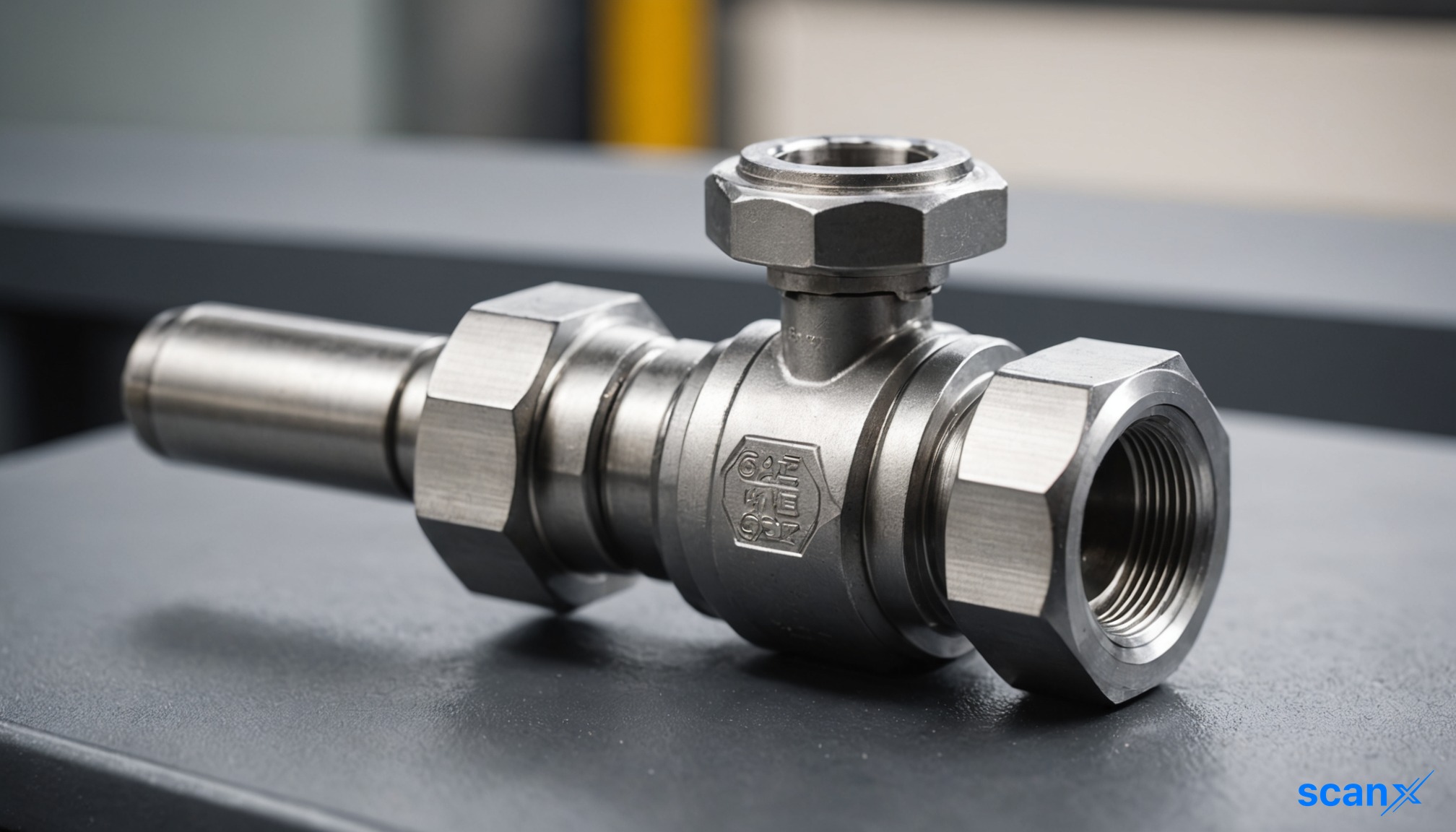
*this image is generated using AI for illustrative purposes only.
Tata Consultancy Services has launched the Industrial Intelligence Foundry, a new offering designed to accelerate AI-driven autonomy and engineering for industrial clients. The platform aims to help enterprises reduce new product introduction timelines by 25% and improve manufacturing productivity by 20-25%.
Strategic focus on industrial AI
The launch positions Tata Consultancy Services within the growing space of industrial AI adoption. The foundry serves as a dedicated platform to drive AI-led transformation in engineering and autonomous operations for industrial enterprises. Unlike horizontal copilots or general-purpose generative AI platforms, the Industrial Intelligence Foundry offers domain-engineered vertical AI applications that are industry-specific and integrate with existing workflows.
The initiative targets sectors including aerospace, mobility, semiconductors, medical devices, industrial electronics, utilities, and energy. It addresses the gap where prevailing technologies fall short due to cost or functionality in physical AI applications on shop floors.
Key capabilities and impact
The offering comprises a repository of configurable AI agents, workflows, and governance capabilities. It supports use cases across the product development and manufacturing lifecycle, enabling scaled deployment rather than isolated experimentation.
| Feature | Details |
|---|---|
| Initiative | Industrial Intelligence Foundry |
| Focus area | AI-driven autonomy and engineering |
| Product intro timeline reduction | 25% |
| Manufacturing productivity gain | 20-25% |
| Potential long-term productivity gain | >40% |
Key capabilities include:
- Engineering intelligence and product development acceleration.
- Manufacturing operations optimization through AI-driven insights.
- Asset performance and operations intelligence for reliability.
- Quality and compliance management with continuous monitoring.
- Service lifecycle and workforce enablement via the Human+AI Service Autonomy Model.
What the Numbers Show
The disclosed metrics highlight a shift from general AI adoption to specific operational efficiency gains. While the immediate target is a 20-25% improvement in manufacturing productivity, the company notes that as data foundations mature, these gains could exceed 40%. This suggests that the initial deployment phase is critical for establishing the data ecosystems required to unlock higher-tier efficiency levels, differentiating it from standard IT service upgrades.
Executive commentary
Ramachandran S, Practice Leader at HFS Research, noted that industrial organizations plan to double their physical AI spending over the next two years. He described the Foundry as TCS' bet to fill the gap with domain-specific AI, scaling implementations beyond mere agentic projects.
Sreenivasa Chakravarti, Global Head & Vice President of Industrial Autonomy and Engineering at TCS, emphasized that the next wave of industrial AI will depend on orchestrating AI agents effectively. He stated that context-aware agentic deployment is essential for translating industrial knowledge into scalable business outcomes.
Historical Stock Returns for Tata Consultancy Services
| 1 Day | 5 Days | 1 Month | 6 Months | 1 Year | 5 Years |
|---|---|---|---|---|---|
| +2.57% | +13.65% | +7.42% | -4.38% | -20.14% | -34.54% |

How will TCS's Industrial Intelligence Foundry compete with specialized industrial AI startups and established ERP vendors like SAP or Siemens in capturing market share?
What specific regulatory or data sovereignty challenges might hinder the cross-border deployment of this platform in highly regulated sectors like aerospace and medical devices?
To what extent will the projected 40% long-term productivity gains depend on clients' existing legacy infrastructure readiness versus new hardware investments?
 19
19









 Access 50+ Readymade Screeners
  Use 200+ Custom Filters
  Get Full Market Insights





