

Surf Air Mobility wins $19.4M Hawaii EAS contract for Lanaʻi service


- Surf Air Mobility wins $19.4 million four-year EAS contract for Lanaʻi service
- Deal extends through August 2030, doubling the term of the previous agreement
- Mokulele will operate 126 weekly flights connecting Lanaʻi to Honolulu and Maui
- Contract rewards infrastructure investments and interline connectivity with major carriers

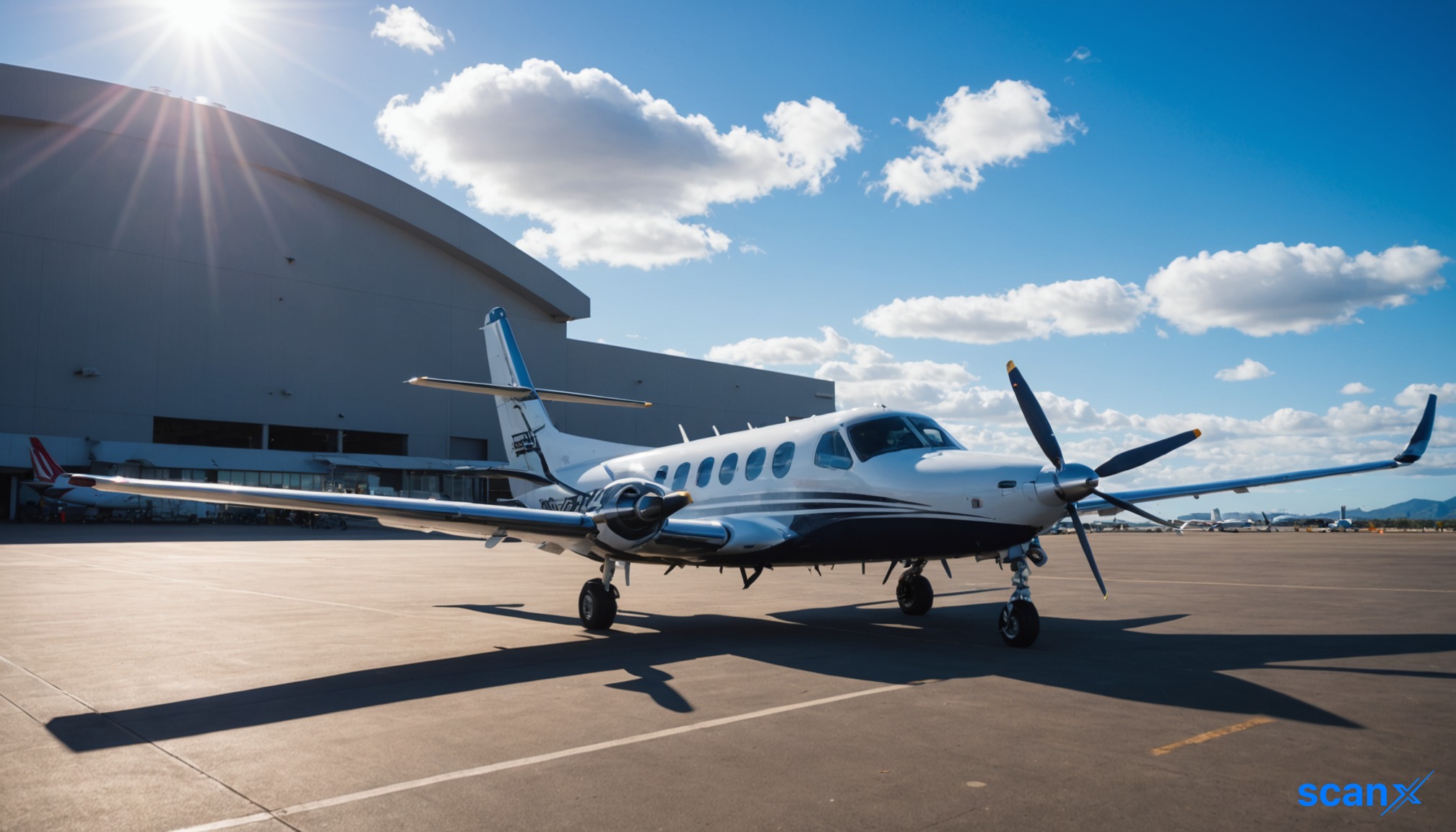

*this image is generated using AI for illustrative purposes only.
Surf Air Mobility Inc. (NYSE: SRFM) announced its subsidiary, Mokulele Airlines, has been awarded a new Essential Air Service (EAS) contract by the U.S. Department of Transportation (DOT). The four-year agreement is valued at $19.4 million in subsidies and extends scheduled service to Lanaʻi, Hawaiʻi through August 2030.
The contract represents a significant expansion of the previous arrangement, doubling its term. This revenue stream excludes incremental passenger fare income and rewards Mokulele’s established infrastructure and interline connectivity in the region.
Contract Details and Operations
Mokulele was selected through a competitive process, with the DOT citing the airline’s track record serving the Lanaʻi community and its operational capabilities. Under the new terms, Mokulele will operate 63 weekly round trips, totaling 126 weekly flights.
| Route | Weekly Round Trips | Destination |
|---|---|---|
| Lanaʻi to Honolulu | 42 | Honolulu (HNL) |
| Lanaʻi to Kahului | 21 | Kahului/Maui (OGG) |
The airline maintains interline agreements with major carriers including Hawaiian Airlines, Alaska Airlines, American Airlines, United Airlines, and Japan Airlines at both Honolulu and Kahului airports. These agreements provide seamless connections across Hawaiʻi, to the continental U.S., and internationally.
Strategic Implications
Louis Saint-Cyr, President of Airline Operations at Surf Air Mobility, stated that the contract honors the company’s commitment to keeping the island connected. He highlighted recent investments in local infrastructure and fleet upgrades as evidence of this reliability. Saint-Cyr noted that the contract rewards broader investments into Hawaiʻi operations where the company provides safe, reliable, and profitable air service.
What the Numbers Show
The $19.4 million subsidy value over four years averages to approximately $4.85 million annually. This contracted revenue provides a stable baseline for the Lanaʻi route, which operates 126 weekly flights. The doubling of the contract term from the prior agreement suggests improved regulatory confidence in Mokulele’s long-term operational stability compared to shorter-term predecessors.
Broader Business Context
Mokulele currently operates approximately 112 daily departures across five Hawaiian islands. Over the past year, the airline has upgraded its fleet with new Cessna Caravans and modernized ground infrastructure. Surf Air Mobility has also deployed its SurfOS software across the operation to improve scheduling and maintenance efficiency.
The company positions Hawaiʻi as a showcase for its Advanced Air Mobility strategy. With short average stage lengths and high-frequency routes, the network serves as a model for introducing electric aircraft. Surf Air Mobility participated in a demonstration flight program with BETA Technologies’ ALIA aircraft in June 2026.

How might the integration of BETA Technologies’ ALIA electric aircraft into Mokulele’s Lanaʻi routes impact the company's long-term operating costs and carbon footprint?
Could the success of this EAS contract model encourage Surf Air Mobility to pursue similar essential service agreements in other underserved U.S. markets?
What are the potential risks to Surf Air Mobility’s profitability if fuel prices or maintenance costs for Cessna Caravans rise significantly over the four-year contract term?
 16
16













 Access Market Heat-map & Insights
  Create, Save & Share your Screener
  Use 200+ Screening Filters





