

Surf Air Mobility Q2FY26 Results: Completion hits 98%, revenue up 7%


- Controllable completion factor reached 98% with on-time arrivals at 88% in Q2FY26
- Mokulele revenue grew approximately 7% year-over-year in Q2FY26
- Secured $19.4 million Essential Air Service contract for Lanaʻi through August 2030
- Direct operating costs per block hour fell 6% year-to-date in 2026

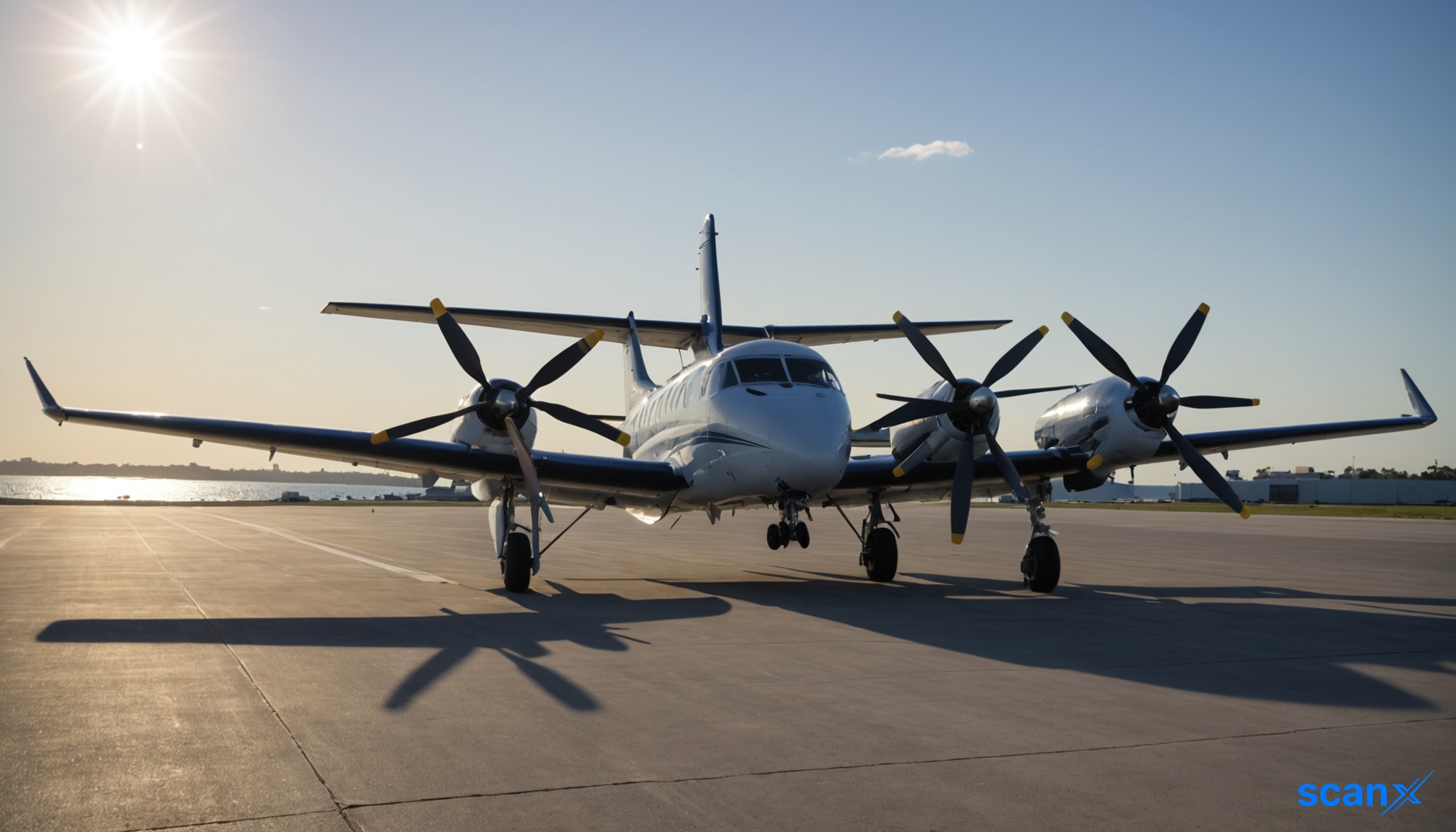

*this image is generated using AI for illustrative purposes only.
Surf Air Mobility Inc reported a 98% controllable completion factor and 88% on-time arrivals for the second quarter of fiscal year 2026. The airline operator also disclosed that Mokulele revenue grew approximately 7% year-over-year during the same period, signaling operational stability amid its ongoing transformation.
Operational efficiency gains
The company highlighted significant efficiency improvements driven by its SurfOS platform. Key metrics recorded year-to-date in 2026 include:
- 6% reduction in direct operating cost per block hour
- 9% reduction in fuel burn per block hour
- 9% reduction in pilot cost per block hour
- 15% improvement in labor productivity per block hour
These gains support the company's strategy to build on the positive Adjusted EBITDA achieved by its airline operations in full year 2025. Surf Air Mobility has deployed SurfOS flight management, crew reserve, and fuel optimization modules across its operations to sustain these efficiencies.
Strategic contracts and expansion
A significant development for the company is the securing of a four-year Essential Air Service contract from the U.S. Department of Transportation. This agreement ensures continued service to Lanaʻi and represents $19.4 million in subsidies, excluding passenger fare revenue. The contract doubles the term of the prior award and provides contracted revenue through August 2030.
Additionally, the company completed an electric aircraft demonstration program in Hawaiʻi with BETA Technologies. Supported by Hawaiian Airlines, BETA's ALIA CTOL aircraft flew 64 demonstration flights across four islands to evaluate operational and infrastructure requirements. Surf Air Mobility also became the first Part 135 passenger operator to join the FAA-sponsored Center for Advanced Aviation Technologies Consortium.
Future priorities
Looking ahead to the fourth quarter of 2026 and into 2027, the company plans to grow profitability for its Hawaiʻi and mainland networks as it begins the Expansion Phase of its Transformation Plan. Key initiatives include:
- Completing the digitization of crew scheduling, payroll, dispatch, and maintenance operations on SurfOS.
- Positioning Hawaiʻi as a launch market for electric aviation using insights from the BETA program.
- Refreshing Mokulele and Southern Airways brands with upgrades to lounges, aircraft, and customer service.
- Relaunching scheduled service between Kona and Kahului, reconnecting Hawaiʻi Island and Maui for the first time since 2023.
What the numbers show
The juxtaposition of a 7% revenue increase with substantial cost reductions suggests a widening margin trajectory. While specific EBITDA figures for Q2FY26 are not provided, the 6% drop in direct operating costs combined with revenue growth indicates that operational leverage is being realized. Furthermore, the secured $19.4 million subsidy contract provides a fixed revenue floor through 2030, reducing volatility for the Lanaʻi route while the broader network pursues profitability.

How will the integration of BETA Technologies' electric aircraft impact Surf Air Mobility's long-term capital expenditure requirements and regulatory approval timelines?
What specific competitive responses are expected from major carriers like Hawaiian Airlines regarding the relaunch of the Kona-Kahului route and potential market share shifts?
Can the current efficiency gains from the SurfOS platform be sustained or scaled further as the company expands into new mainland markets during the Expansion Phase?











 Access Market Heat-map & Insights
  Create, Save & Share your Screener
  Use 200+ Screening Filters





