

Super Micro sees $4 trillion AI opportunity, shares rise 3.5%


- Super Micro shares rose 3.5% to $40.46 on Monday amid strong investor appetite for tech stocks
- Management cites a $2 trillion to $4 trillion total addressable market for AI infrastructure
- Full-year fiscal 2027 revenue guidance remains at $65 billion to $72 billion
- Order backlog surpasses $60 billion, supporting near-term revenue visibility
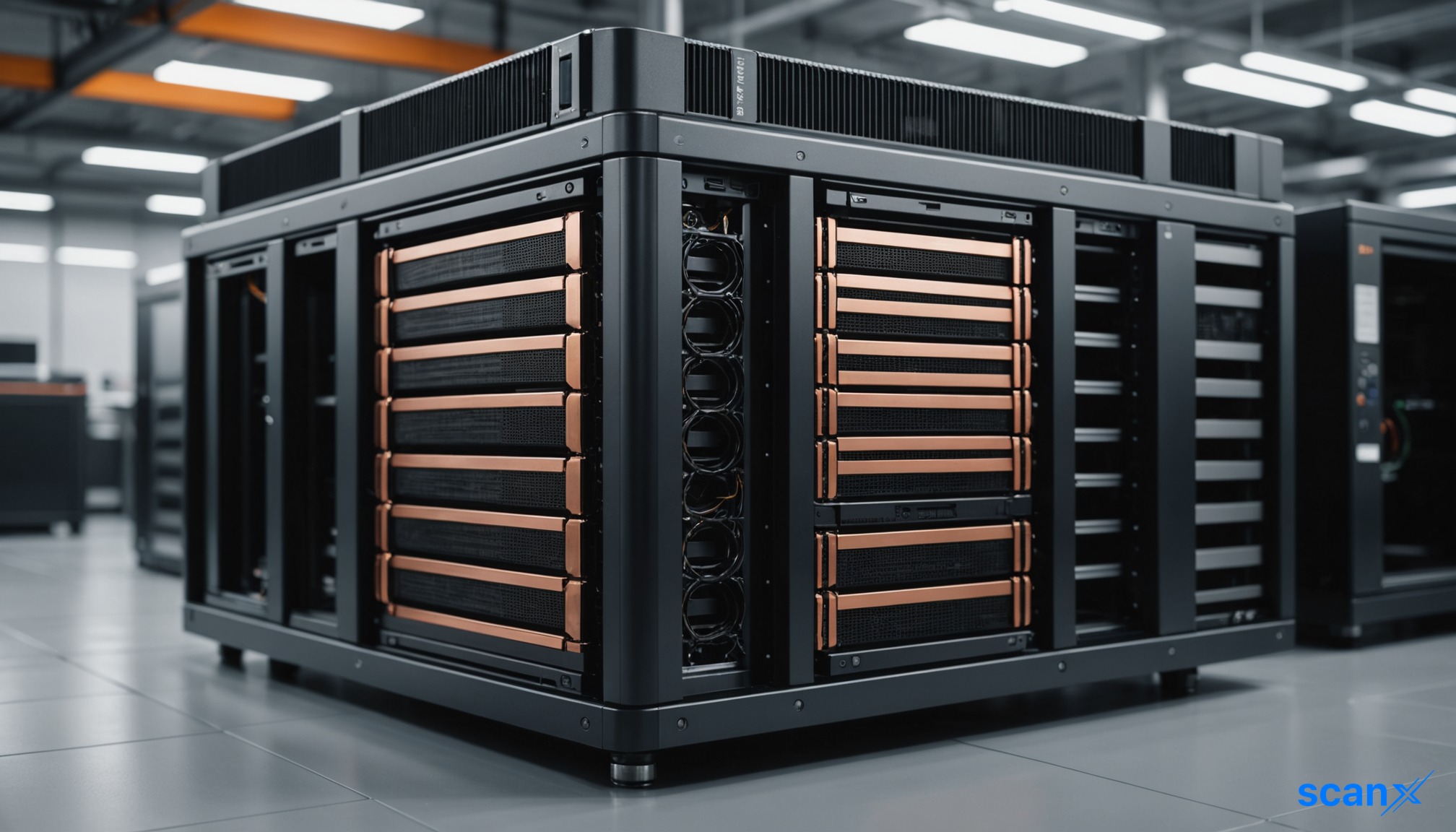
- Company currently produces about 6,000 racks per month with plans to expand capacity

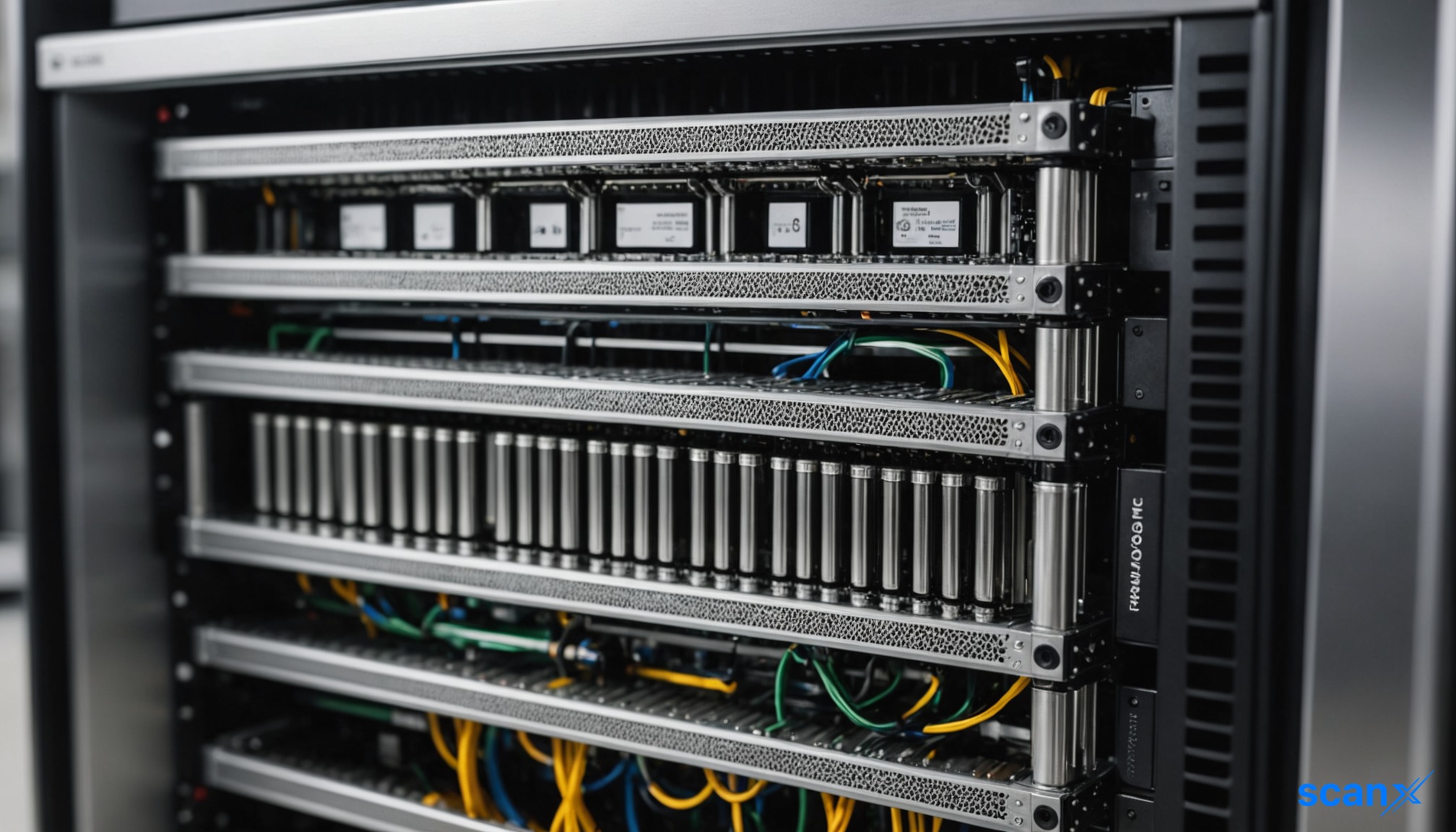

*this image is generated using AI for illustrative purposes only.
Super Micro Computer Inc (NASDAQ: SMCI) shares rose 3.5% to $40.46 on Monday. The gain followed comments from Senior Vice President Michael Staiger at the Goldman Sachs Communacopia + Technology Conference on Sept. 10.
Staiger described the total addressable market for AI infrastructure as potentially reaching $2 trillion to $4 trillion. He noted that the company currently estimates it holds about 10% of that market and sees further room to expand. "The sky's the limit" for where Super Micro could be in the next couple of years, he said.
Revenue Guidance and Market Opportunity
Management reiterated its full-year fiscal 2027 revenue guidance of $65 billion to $72 billion. This outlook is supported by a record order backlog surpassing $60 billion in new AI infrastructure orders. Staiger noted that demand remains "pretty excellent" and is expanding across neocloud providers, enterprises, and sovereign customers.
| Metric | Value |
|---|---|
| Share Price | $40.46 |
| Daily Gain | 3.5% |
| FY27 Revenue Guidance | $65 billion to $72 billion |
| Order Backlog | >$60 billion |
| TAM Estimate | $2 trillion to $4 trillion |
Technology and Manufacturing Expansion
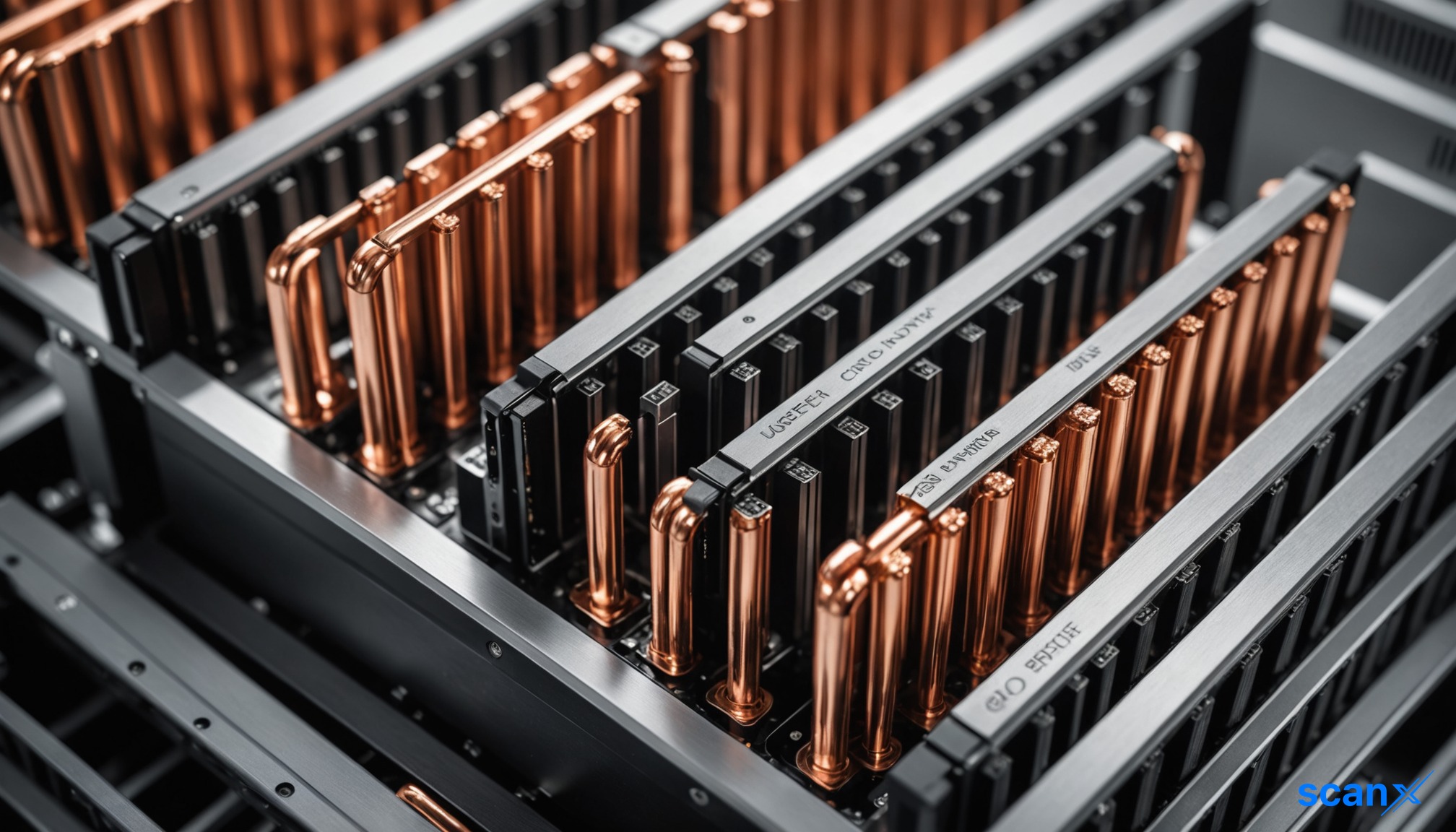
Super Micro’s direct liquid cooling (DLC) platform captures up to 98% of system heat while reducing total data center facility power draw by up to 40%. This technology supports high-density Nvidia Blackwell and next-generation accelerator deployments. The company currently produces about 6,000 racks per month, with capacity split evenly between liquid-cooled and air-cooled systems. Staiger confirmed plans to add capacity in Johor and expand other manufacturing facilities.
Integrated Systems and Margins
The company is expanding its Data Center Building Block Solutions (DCBBS) strategy, combining servers with cooling, power, storage, networking, and software. Staiger stated that these higher-value integrated systems support the goal of maintaining double-digit gross margins. Software and services generated $538 million in fiscal 2026 and carry higher margins than hardware.
Sovereign AI demand is also emerging directly. Staiger said Super Micro has more than several sovereign deployments underway globally as governments build domestic AI infrastructure.
Technical Analysis and Analyst Outlook
SMCI trades above its 20-day ($38.04), 50-day, 100-day, and 200-day ($31.64) moving averages. The stock is about 6% above its 20-day SMA and nearly 28% above its 200-day SMA. The 50-day SMA crossed above the 200-day SMA in August, forming a bullish "golden cross." However, short-term momentum has cooled, with the MACD below its signal line. Resistance sits near $42, while support is around $35.50.
Analysts maintain a Hold consensus with an average price forecast of $39.50. Citigroup raised its target to $39 (Neutral), Goldman Sachs to $34 (Sell), and Mizuho to $35 (Neutral). The stock trades at a price-to-earnings ratio of about 12.
SMCI scores strongly across several Benzinga Edge categories. Its Momentum score stands at 90.31, Quality at 94.35, Value at 88.29, and Growth at 99.22.
What the Numbers Show
Super Micro’s current order backlog (> $60 billion) nearly matches the lower end of its FY27 revenue guidance ($65 billion). This suggests that near-term revenue visibility is largely contracted, with growth dependent on executing existing orders rather than securing new incremental deals in the immediate term. Additionally, software and services contributed $538 million in FY26, indicating a growing high-margin segment within the broader hardware-focused business.

How might the expansion of manufacturing capacity in Johor impact Super Micro's supply chain resilience and geopolitical risk exposure?
Given the high concentration of revenue in hardware, what specific milestones must the software and services segment hit to sustain double-digit gross margins as hardware competition intensifies?
With a $60 billion backlog already covering most of FY27 guidance, what factors could drive incremental order growth beyond current contracted levels in the near term?
 17
17









 Create Custom Screeners
  Access 200+ Pre-built Filters
  Use 50+ Readymade Screener





