

Sumeet Industries FY26 Results: EBITDA triples to ₹60.77 crore, PAT at ₹27.33 crore


- EBITDA rose more than three times YoY to ₹60.77 crore in FY26
- Profit after tax stood at ₹27.33 crore on total income of ₹1,053.81 crore
- Raised ~₹200 crore via rights issue for debt prepayment and working capital
- Added 9,000 TPA capacity with new Bright Yarn and Dope Dyed Yarn lines
- Acquired 140,000 TPA CP plant for ₹90 crore to enter Bottle Grade Chips segment

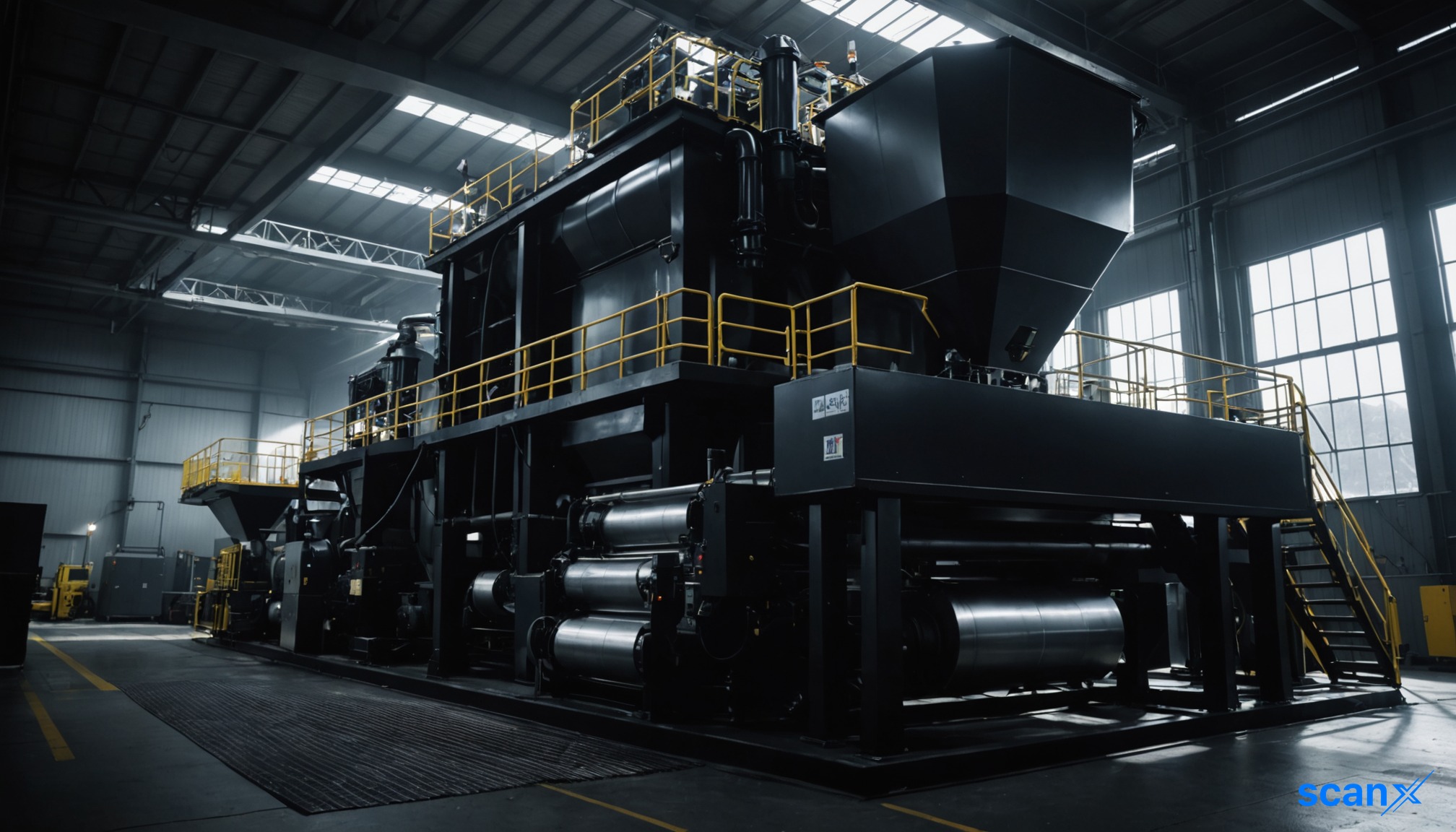

*this image is generated using AI for illustrative purposes only.
Sumeet Industries Limited reported a significant improvement in financial performance for the fiscal year ended March 31, 2026, with EBITDA rising more than three times year-on-year to ₹60.77 crore. The company posted a profit after tax of ₹27.33 crore on total income of ₹1,053.81 crore.
The turnaround follows the new management's takeover as a successful resolution applicant. During the year, the company successfully raised approximately ₹200.00 crore through a rights issue. These proceeds were utilised for operationalising the newly acquired plant, now named Sumeet Speciality, prepayment of term loans, and strengthening working capital.
Operational Expansion and Capacity Addition
The company added two new production lines with a combined capacity of 9,000 tons per annum, increasing turnover by ₹200 crore. This expansion diversified the product portfolio by introducing Bright Yarn and Dope Dyed Yarn. Additionally, cationic FDY yarn was introduced on existing lines to boost value-added products.
To enhance efficiency, Sumeet replaced 18 old compressors with four new-generation air compressors. This upgrade improved air quality for yarn production and resulted in savings of 20,000 units per day, translating to an annual power cost saving of ₹400 lakh. An automated conveyor line was also installed to streamline material flow and reduce labor requirements.
Renewable Energy and Future Outlook
Sumeet strengthened its renewable energy portfolio by commissioning a 14 MW solar power plant and a 4.2 MW windmill in FY27. A further 12 MW of solar capacity is expected to be commissioned by November 2026. These initiatives are projected to reduce annual power costs by approximately ₹23 crore.
The company invested ₹90 crore to acquire a 140,000 TPA CP plant to manufacture and sell Bottle Grade Chips. This acquisition is expected to raise the topline by ₹1,200 crore, with an anticipated EBITDA margin of 5% to 6% from this new project. Finance costs are expected to decrease drastically due to debt repayment and working capital inflows.
Key Financial Metrics
| Metric | FY26 Value | Notes |
|---|---|---|
| Total Income | ₹1,053.81 crore | - |
| EBITDA | ₹60.77 crore | More than 3x YoY |
| Profit After Tax | ₹27.33 crore | - |
| Rights Issue Raised | ~₹200.00 crore | Used for debt and capex |
What the Numbers Show
The data reveals a strategic pivot towards high-margin products and cost efficiency. The tripling of EBITDA to ₹60.77 crore against a total income of ₹1,053.81 crore indicates an EBITDA margin of approximately 5.7%. While the source does not provide prior-year revenue for direct comparison, the stated "more than three times" growth in EBITDA suggests significant operational leverage or margin expansion. The simultaneous reduction in power costs through renewable energy investments (₹23 crore projected annual saving) and compressor upgrades (₹400 lakh annual saving) highlights a dual focus on top-line growth via capacity addition and bottom-line improvement through cost control.
Historical Stock Returns for Sumeet Industries
| 1 Day | 5 Days | 1 Month | 6 Months | 1 Year | 5 Years |
|---|---|---|---|---|---|
| -3.54% | +11.47% | -11.83% | -54.96% | -62.51% | +839.50% |

How will the integration of the 140,000 TPA CP plant impact Sumeet Industries' supply chain dependencies and raw material sourcing strategies?
What are the projected timeline and milestones for the ₹1,200 crore revenue contribution from the new Bottle Grade Chips project?
How does the shift toward high-margin products like Bright Yarn and Dope Dyed Yarn affect the company's competitive positioning against established textile manufacturers?
 17
17










 Create Custom Screeners
  Access 200+ Pre-built Filters
  Use 50+ Readymade Screener





