

Sterling & Wilson Renewable Energy Q4 FY26: Record Performance With Management Guidance


Sterling & Wilson Renewable Energy delivered exceptional FY26 results with record annual turnover of INR7,548 crores and highest quarterly PAT of INR142 crores since listing. The company commissioned 4.50 GW AC of solar projects, representing 15% of India's utility-scale installations, while securing new orders worth INR10,062 crores. Management provided optimistic guidance for 15% revenue growth with expanding opportunities in battery storage and continued market leadership position.



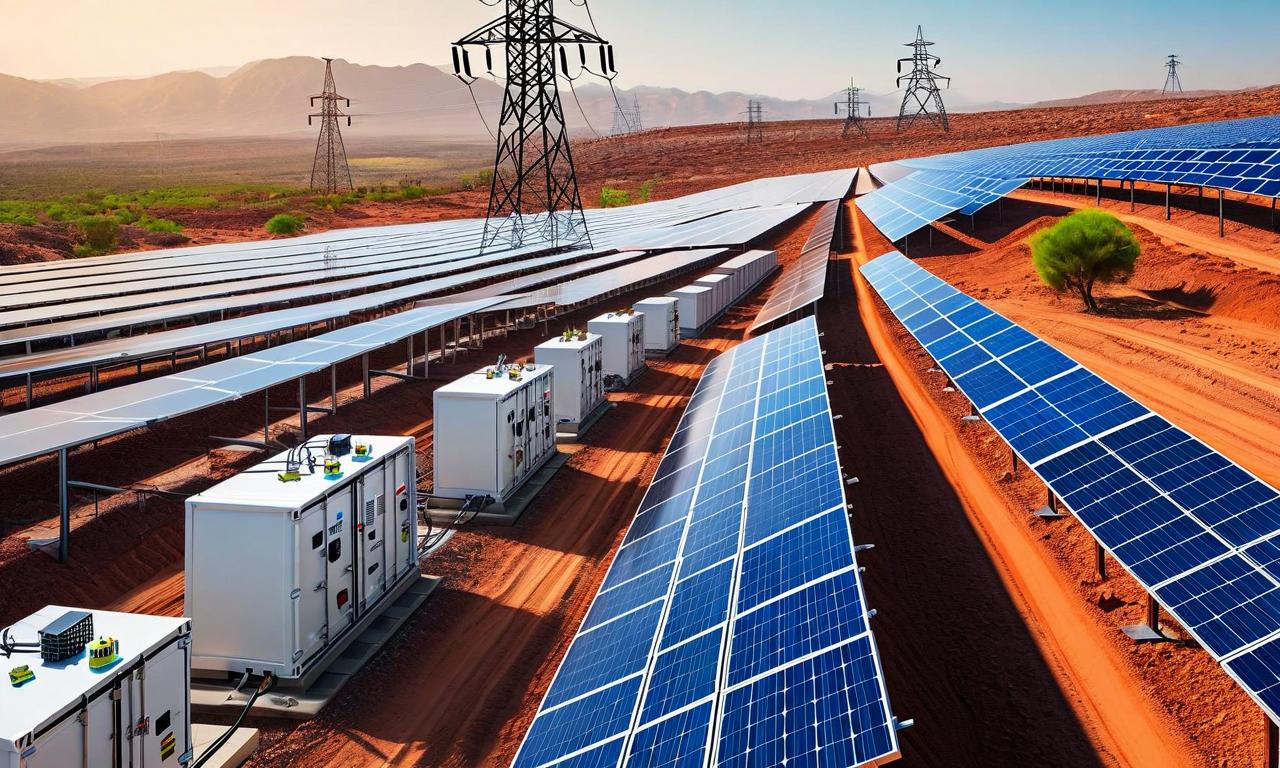
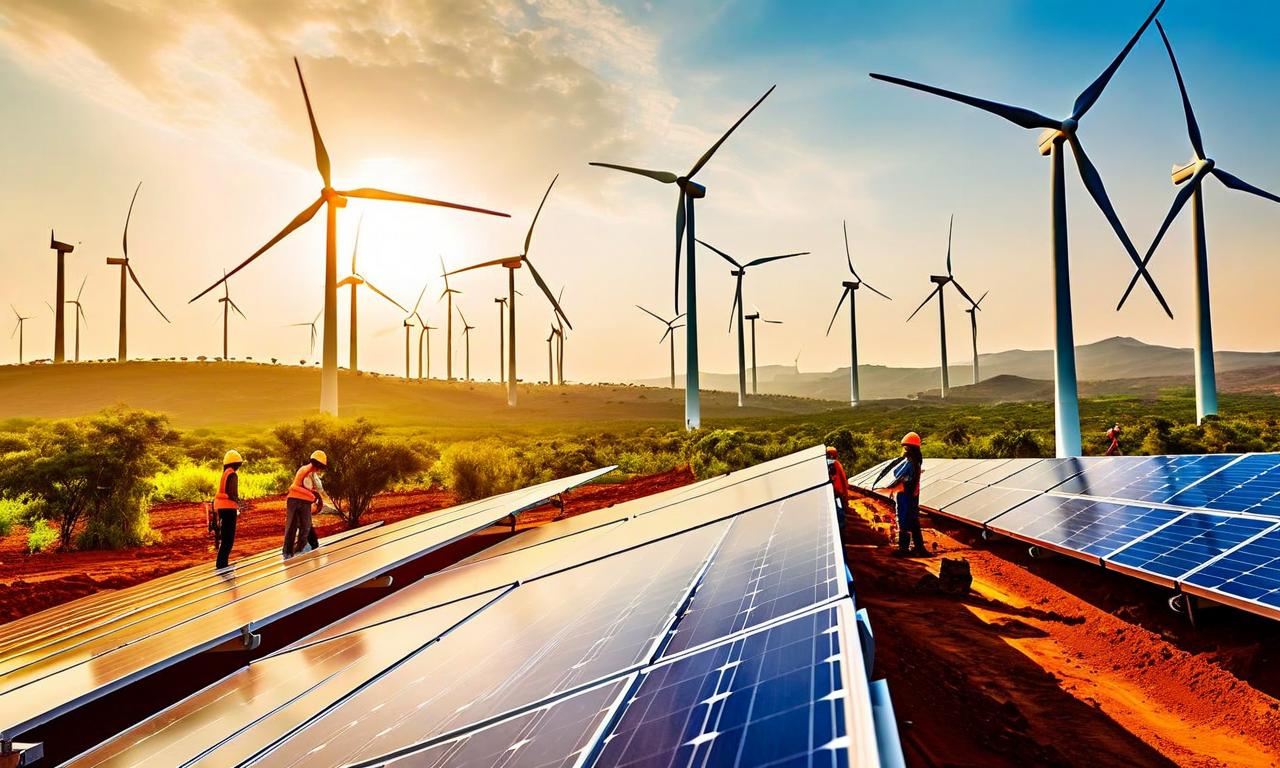
*this image is generated using AI for illustrative purposes only.
Sterling & Wilson Renewable Energy reported its highest annual turnover since listing at INR7,548 crores in FY26, marking a 20% increase over the previous fiscal year. The company achieved its highest quarterly profit after tax since listing at INR142 crores in Q4 FY26, though the full-year results were impacted by exceptional litigation costs of INR611 crores, leading to an annual loss of INR296 crores.
The company's operational performance remained robust during the fiscal year. New EPC orders grew 43% year-on-year to INR10,062 crores, significantly exceeding the conservative projection of 15% growth made at the start of the fiscal year. The unexecuted order value reached a record INR11,813 crores compared to INR9,096 crores in the previous fiscal, providing strong visibility for future earnings. Domestic orders comprise approximately 78% of the current unexecuted order book at about INR9,250 crores.
Financial Performance Highlights
| Financial Metric: | FY26 | FY25 | Q4 FY26 |
|---|---|---|---|
| Annual Turnover: | INR7,548 crores | - | INR1,946 crores |
| Gross Margin: | 10.50% | 10.10% | - |
| International EPC Margin: | 13.20% | 8.00% | - |
| Operational EBITDA: | INR444 crores | - | - |
| Operational EBITDA Margin: | 5.90% | - | - |
| Quarterly PAT: | - | - | INR142 crores |
| Annual PAT: | INR(296) crores loss | - | - |
Gross margins improved to 10.50% in FY26 from 10.10% in FY25, primarily driven by the International EPC segment where margins increased to 13.20% from 8%. Operational EBITDA grew 53% year-on-year to INR444 crores, with an operational EBITDA margin of 5.90%. Annual recurring overheads remained steady at INR349 crores despite higher revenue growth, demonstrating operational leverage.
Operational Achievements
The company successfully commissioned 4.50 gigawatt AC (equivalent to 5.90 gigawatt DC) of solar PV projects across India and international markets during FY26. This represents approximately 15% of the total solar utility scale installations in India during the fiscal year, which stood at 28.30 gigawatt AC according to Ministry of New and Renewable Energy data.
The operations and maintenance segment demonstrated significant growth, with the total portfolio size increasing to 13.50 gigawatts from 8.70 gigawatts in the previous fiscal. The company's employee headcount expanded to approximately 3,500 compared to 2,500 a year ago, reflecting investments in building scale for multiple gigawatt-scale projects.
Order Book and Market Position
| Order Details: | Value/Quantity |
|---|---|
| New EPC Orders FY26: | INR10,062 crores |
| Total Projects Won: | 12 orders |
| EPC Orders: | 11 orders (5.20 GW DC) |
| Battery Storage Project: | 790 MWh |
| Domestic Orders: | INR7,659 crores (4.80 GW DC) |
| International Orders: | US$270 million (South Africa) |
During the fiscal year, the company secured 12 new orders, including 11 EPC orders totaling nearly 5.20 gigawatt DC and one pure battery storage project of 790 megawatt hour. In the Indian market, the company won 10 projects totaling 4.80 gigawatt DC with an order value of INR7,659 crores, representing approximately 30% growth in domestic order inflows by value.
Management Guidance and Outlook
During the earnings conference call held on April 24, 2026, management provided comprehensive guidance for the coming fiscal year. CEO C.K. Thakur highlighted that the current bid pipeline targets approximately 31 gigawatts overall, with India accounting for more than 27 gigawatts. The company expects strong momentum from the battery storage market, with opportunities estimated at over 50 gigawatt hour.
| Guidance Parameters: | Details |
|---|---|
| Revenue Growth Target: | Approximately 15% |
| EPC Gross Margins: | 8% to 10% |
| O&M Gross Margins: | Around 20% |
| Battery Storage Orders: | 20% of new orders |
| Market Share Target: | More than 25% |
Management expects approximately 20% of new orders could come from battery storage opportunities. The company anticipates EPC gross margins to range between 8% to 10% and O&M gross margins to stabilize around 20%. Revenue growth guidance of approximately 15% is based on current order book and expected order inflows, excluding potential orders from Reliance New Energy.
Balance Sheet Improvements
Debt levels declined by INR149 crores compared to the previous quarter, reflecting stronger cash flow generation and scheduled repayments. Net working capital improved to negative INR329 crores from negative INR407 crores in the previous quarter. The company has cumulatively raised fresh credit lines of nearly INR2,800 crores during the fiscal year.
CFO Ajit Pratap Singh noted that the company's credit rating improved from BBB- to BBB+ during the year, with banks providing continued support through additional sanctions and reduced costs for letters of credit and bank guarantees.
Historical Stock Returns for Sterling & Wilson Renewable Energy
| 1 Day | 5 Days | 1 Month | 6 Months | 1 Year | 5 Years |
|---|---|---|---|---|---|
| -2.65% | -0.64% | -9.47% | -16.73% | -33.73% | 0.0% |

How will the company's strategy evolve if battery storage orders fail to reach the projected 20% of new orders amid increasing competition in the energy storage sector?
What impact could potential policy changes in India's renewable energy subsidies have on Sterling & Wilson's domestic order pipeline, which comprises 78% of their unexecuted orders?
How might the company's aggressive expansion into international markets, particularly given the improved 13.20% margins, affect their risk profile and capital allocation strategy?
 17
17







 Create Custom Screeners
  Access 200+ Pre-built Filters
  Use 50+ Readymade Screener





